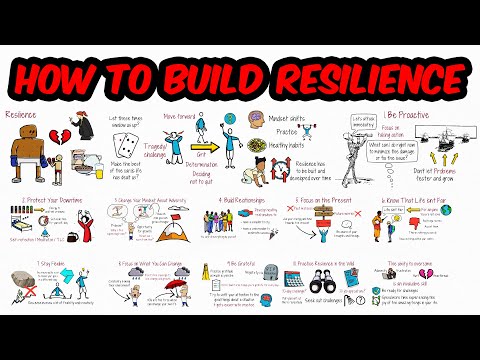
Hey there! So, let’s chat about something we all deal with: tough times. Life throws curveballs at us, right? Some days you feel like you can handle anything, and other days? Not so much.
That’s where psychological resilience comes in. It’s about bouncing back when life gets a little too real. Think of it like a rubber band—you stretch it, but it snaps back into shape.
At the Wellbeing Clinic, they dive into this whole idea of resilience. It’s not just a fancy buzzword; it’s a way to build your mental strength. Whether you’re facing stress at work or navigating personal challenges, learning to be resilient can help.
So, let’s explore how you can bounce back better and keep moving forward!
Understanding Psychological Resilience: Key Concepts and Importance
So, psychological resilience, huh? It’s one of those buzzwords we hear a lot these days. Basically, it means how well you can bounce back from tough situations. You know those moments when life throws a curveball at you? Resilience is your ability to handle that and get back on your feet. Pretty essential, right?
Key Concepts of Psychological Resilience:
- Adaptability: This is like your mental flexibility. When things don’t go as planned, resilient people can adjust and find new ways to cope.
- Emotional regulation: It’s about managing your feelings. For example, if you’re stressed about work, instead of spiraling into anxiety, resilient folks might take a step back, breathe, and prioritize their tasks.
- Social support: You know how it feels good to talk things out with a friend or family member? That’s part of resilience! Leaning on others can really help in hard times.
- Pessimism vs Optimism: Resilient people often have an optimistic outlook. They see setbacks as temporary and believe they can overcome them.
The importance of resilience can’t be overstated. Think about it: life is full of ups and downs. If you’re more resilient, you’re better equipped to handle stress and recover from challenges. For instance, consider someone who loses their job—if they have high resilience, they’ll likely view this as an opportunity for growth rather than just a setback.
Why does this matter?
- Mental Health: Resilience is linked to lower levels of anxiety and depression. The more resilient you are, the less likely you’re to get bogged down by life’s difficulties.
- Physical Health: Stress takes a toll on your body too! When you’re resilient, you manage stress better which leads to improved physical health overall.
- Coping Strategies: Building resilience equips you with tools for dealing with future adversities—like having an emergency kit ready when the storm hits!
You might wonder how you can build this resilience within yourself or around the people you care about. One practical way is through situation analysis. After facing a setback, reflect on what happened—what went well? What could have been done differently?. This encourages learning rather than just feeling defeated.
A quick story: I remember my friend Sarah who went through a tough breakup. At first, she felt totally crushed—but instead of wallowing in sadness for too long (we all know that phase), she started journaling her thoughts and talking with friends about her feelings. Over time, she learned not just to cope but actually grow from that experience!
This kind of personal growth is at the heart of psychological resilience—taking life’s challenges and turning them into stepping stones rather than stumbling blocks.
The bottom line here is that cultivating resilience makes life’s inevitable challenges feel less overwhelming. It helps us thrive instead of merely surviving! So remember: life will get rocky sometimes; being resilient means you’re ready for the ride!
Comprehensive Reviews of Psychological Resilience Services at the Wellbeing Clinic
When we talk about psychological resilience, we’re really diving into how people bounce back from tough times. You know, life throws curveballs—stress, loss, and unexpected change can hit anyone hard. So, places like the Wellbeing Clinic aim to help folks build that inner strength.
At the Wellbeing Clinic, services designed to boost psychological resilience often focus on a few key areas:
- Understanding Stress: They help you get a grip on what stress really is and how it affects your mind and body. Like, knowing the signs of stress can make it easier to tackle before it spirals.
- Developing Coping Strategies: This involves finding ways to handle challenges better. It’s like building a toolbox filled with different tools—some for anxiety, others for sadness, and even some for just daily frustrations.
- Emotional Regulation: Learning how to manage emotions is huge! You might practice techniques for calming down during heated moments or feeling less overwhelmed when the going gets tough.
- Building Support Networks: This service encourages you to connect with others. Seriously, having friends or family around who understand what you’re going through can make all the difference.
- Mindfulness Techniques: Many resilience programs include mindfulness practices. These can help you stay grounded in the present moment instead of getting lost in worries about the future or regrets from the past.
The clinic might use different methods to deliver these services. Some people really vibe with group sessions where they share experiences and learn together. Others might prefer one-on-one counseling sessions that dive deep into personal struggles and growth paths.
The staff often emphasize practical exercises too—like journaling or goal-setting techniques—to help set you up for success outside of those sessions. You know? It’s not just about talking; it’s about taking action!
Anecdote time! Picture someone named Sarah who faced big changes in her life—a job loss and family issues all at once. At first, she felt crushed under all that pressure. But through participating in resilience-building activities at the Wellbeing Clinic, she learned to harness that stress into motivation rather than letting it weigh her down. She bonded with others going through similar struggles which made her realize she’s not alone in this journey.
The bottom line is psychological resilience isn’t just about surviving—it’s about thriving despite life’s challenges! And programs like those at the Wellbeing Clinic are aimed squarely at that goal: helping you grow stronger mentally so that when life gets rough (and let’s be real—it will), you’ve got skills to handle it like a champ!
Enhancing Psychological Resilience: Insights from the Wellbeing Clinic PDF
Enhancing psychological resilience is a topic that resonates with many of us. It’s not about being invincible but rather, it’s all about how we cope with life’s challenges, bounce back from setbacks, and grow stronger over time. So, let’s break down what that looks like in simple terms.
Resilience is basically our ability to adapt when stress hits us. Life can throw some serious curveballs—loss of a job, a breakup, or even just the everyday grind can wear you down. But folks who are resilient find ways to manage these pressures without losing their cool.
- Understanding resilience: It starts with recognizing that life isn’t always perfect. Resilient people acknowledge difficulties but don’t get stuck in them.
- Support systems: Having supportive friends or family makes a huge difference. You know when you’re feeling low and your buddy calls out of the blue? That connection helps!
- Self-care practices: Taking care of your physical health also boosts mental strength. Regular exercise, eating right, and getting enough sleep are foundational.
- Mindfulness and meditation: These practices help you stay grounded and present. They teach you to respond rather than react in stressful situations.
Let me tell you a quick story: I once had a friend who went through a pretty rough patch after losing their job. At first, it felt like the end of the world! But instead of spiraling down into despair, they reached out to friends for support and took up meditation classes. Slowly but surely, they found new opportunities and came out on the other side even more motivated than before.
Another crucial part of building resilience is embracing change. Change is scary for most folks! But learning to be flexible and adaptable allows us to ride those waves without being wiped out completely.
Also, setting realistic goals can do wonders for your mindset. When you set attainable objectives, it feels good when you achieve them! It boosts your confidence bit by bit.
Lastly, don’t forget about self-compassion. Being kind to yourself during hard times matters more than you think. Instead of harsh criticism over failures or mistakes, practice treating yourself like you would treat a good friend in similar shoes.
In short, enhancing psychological resilience involves cultivating these habits—recognizing challenges as part of life while actively working on supportive relationships, self-care strategies, mindfulness practices, adaptability to change along with self-kindness. The journey isn’t always easy; however every little step counts towards building a stronger version of yourself!
Okay, so psychological resilience—it’s a fancy term, but it boils down to how you cope with life’s curveballs. You know those moments when everything feels like it’s going haywire? Life throws challenges your way, and you’re just trying to keep your head above water. That’s where resilience comes into play.
I remember this one time when my friend faced a tough breakup. It was heartbreaking for her, not just because of the relationship ending but also the way it shook her confidence. But instead of wallowing too long in sadness, she decided to channel her energy into something positive. She took up painting and found solace in expressing herself creatively. That was her way of building resilience—turning pain into passion if you will.
In places like a wellbeing clinic, they often focus on nurturing this resilience among people. The goal is to help you bounce back from hardships, even if it feels impossible at times. They might introduce techniques like mindfulness or problem-solving skills—small tools that help fortify your mental armor, so to speak.
You see, resilience isn’t about pretending everything’s peachy keen all the time; it’s more about acknowledging your feelings and learning how to navigate through them. Life isn’t sunshine and rainbows all day long, right? The key here is finding strategies that help you pivot when challenges arise.
It’s also important to share stories in these settings; personal experiences create connections with others facing similar struggles. There’s something powerful about realizing you’re not alone in feeling overwhelmed or lost at times.
So think about what gives you strength during tough moments—is it a good friend, a hobby? Whatever it is, nurturing that can really make a difference in your ability to cope with life’s ups and downs. Resilience isn’t just an innate trait; it’s something you can develop over time—with practice and support along the way!