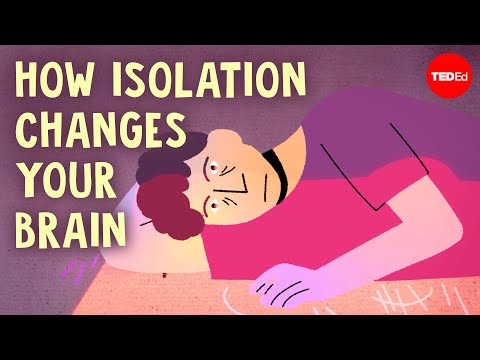
You know that feeling when you’re surrounded by people but still feel alone? Yeah, that’s emotional isolation. It’s like being in a crowded room and just… not connecting.
Sadness and loneliness can creep in, sometimes without warning. You might be doing fine one minute and then bam! The weight of it hits you. It’s heavy stuff, you know?
But here’s the thing: it’s totally normal to feel this way. We all go through it at some point. So let’s chat about what’s really going on with these emotions—why they happen and how they affect us.
Because honestly? You’re not alone in this.
Navigating Emotional Distress: Effective Steps to Take When You Feel Miserable
Emotional distress can hit you like a ton of bricks. One moment, you’re going through life, and the next, you feel this weight dragging you down. It can come from loneliness, sadness, or some heavy mix of emotions that just keeps swirling around in your head. Understanding how to navigate those feelings is key.
Recognizing Your Emotions is the first step. You gotta be real with yourself about what you’re feeling. Is it sadness? Anger? Loneliness? Jotting it down might help bring clarity. Like when I felt just so low after a breakup; writing about it helped me understand why I was feeling that way.
Talk to Someone. Seriously! Reach out to a friend or family member. Sharing your feelings can lift some of that heavy fog of isolation. You’d be surprised how many people feel or have felt the same way at some point—it’s like a secret club nobody wants to join but we all end up in.
Practice Self-Compassion. It’s easy to beat yourself up when you’re feeling down, but cut yourself some slack! Treat yourself with kindness instead of judgment. Maybe indulge in a favorite show or snack without guilt—like going for ice cream just because your heart feels heavy.
Engage in Activities You Enjoy. Even when you’re feeling miserable, sometimes forcing yourself to do something fun can shake off that gloom a bit. Go for a walk, read a book, or try cooking something new! I remember when I was super bummed and decided to bake cookies; they didn’t turn out perfect, but laughing over the mess helped lighten my mood.
Mindfulness and Breathing Exercises are also great tools. Taking deep breaths can seriously calm your racing thoughts and ground you back into the moment. Picture yourself breathing in positivity and exhaling all that junk weighing on your heart.
Avoid Isolation. It’s tempting to crawl under the covers and stay there, but reaching out is crucial—even if it feels tough at first! A quick text or call could change your whole day for the better.
Sometimes though, it’s okay not to be okay and accepting that feeling miserable is part of being human can actually be comforting in itself. It’s so common to feel sad sometimes; we all go through moments like this!
In summary, navigating emotional distress requires recognizing what you’re feeling without judgment, reaching out to others who might uplift you, practicing self-compassion at every turn, engaging in things you love even if it’s hard at first, incorporating mindfulness practices into your day-to-day routine, and making an effort not to isolate yourself completely from those who care about you. So yeah—next time you’re feeling low, give these things a shot!
Understanding the Mental Health Impacts of Isolation: Disorders Linked to Social Withdrawal
Isolation can hit harder than you think. When people start to withdraw from social situations, it can lead to some serious mental health issues. You see, human beings are social creatures by nature. We rely on connections — whether they’re friends, family, or even acquaintances — to maintain our emotional balance. So when someone faces prolonged isolation, it can take a toll.
Emotional Isolation is one of those sneaky culprits. You might feel surrounded by people but still feel utterly alone. It’s that deep sense of sadness that creeps in when you lack meaningful connections. Imagine being at a party and feeling like there’s a glass wall between you and everyone else — that’s emotional isolation for you.
People who experience this often see themselves developing anxiety disorders. It’s like being stuck in your own head where worries spiral out of control because there’s no one to talk things through with. Ever felt nervous about something but couldn’t share it with anyone? That thought just loops around and around in your mind.
Another common issue linked to isolation is depression. When you’re isolated for too long, feelings of hopelessness can settle in. Remember the last time you had a tough day? Now imagine weeks or months like that without anyone to support you—it’s rough, right?
Then there’s social anxiety disorder. This one’s tricky because the more someone withdraws from social situations, the more anxious they might feel about eventually rejoining them. It’s like a vicious cycle; they avoid social interactions to alleviate anxiety but end up feeling even worse as they miss out on connections.
Loneliness also deserves some attention here—it’s more than just being alone; it’s the painful realization that you’re not connecting with others emotionally. Think about times when you’ve been surrounded by friends but still felt lonely; that’s loneliness putting its claws into you.
Isolation impacts physical health too! Studies show that loneliness can lead to problems like heart disease or weakened immune systems. Your mind and body are tightly linked; stress from emotional pain affects how healthy your body feels overall.
Now, if you’ve experienced these feelings or know someone who has, recognizing them is key! The road back to connection can be bumpy but doable with patience and support from others or even through activities that foster community—even small steps count!
In summary:
- Emotional Isolation: A deep sense of sadness despite being around others.
- Anxiety Disorders: Increased worries due to lack of communication.
- Depression: Persistent feelings of hopelessness stemming from isolation.
- Social Anxiety Disorder: Fear of re-engaging socially after withdrawal.
- Loneliness: Painful awareness of lack of emotional connection.
- Physical Health: Health deteriorates due to prolonged feelings of sadness and isolation.
So yeah, understanding these impacts helps us realize how important connections really are for our mental well-being! Whether’s it’s reaching out or making an effort with someone else who’s struggling—we can all play a part in breaking this cycle together!
You know, emotional isolation is one of those topics that hits a bit too close to home for many people. It’s that sinking feeling when you’re surrounded by folks but still feel, well, alone. Like, you might be in a room full of friends or family, yet you can’t shake off that heavy cloak of sadness that’s wrapped around your shoulders.
I remember this one time when I was at a party. Everyone was laughing and dancing, but I just felt like I was watching from behind a glass wall. I could hear the joy on the other side, but it seemed completely out of reach. It’s weird how you can have so many connections and yet still feel completely isolated within yourself.
So what’s going on there? Well, emotional isolation isn’t just about being physically alone. It’s more about not being able to connect with others on a deeper level. You might start putting up walls—thinking no one really gets you or that sharing your feelings would only make things worse. It creates this cycle where the more isolated you feel, the less likely you are to reach out.
When you’re caught in that spiral, sadness tends to creep in like an unwelcome guest. It’s not like there’s an instruction manual for dealing with these emotions. You can go from feeling okay to overwhelmed in a matter of moments because loneliness has this knack for amplifying everything—the worries, regrets, and fears stacking up like it’s some kind of emotional Jenga game.
And here’s where it gets tricky: our brains actually get used to this state. We start seeing ourselves as perpetually lonely or sad individuals instead of just experiencing temporary feelings. That’s why breaking out of emotional isolation can feel so daunting—it takes real effort to change those ingrained thoughts and patterns.
Finding ways to connect again often starts small—like sharing a silly meme with someone or even talking about your day with a friend. It doesn’t have to be anything profound; just little gestures can remind us we’re not alone in this big ol’ world.
You know what? Life isn’t all sunshine and rainbows—it has its share of storms too. But navigating through those cloudy feelings together can really help lighten the load!