Hey, you ever just feel… off? Like, no particular reason, but everything seems a bit gray? You’re not alone in that.
Sad mood disorders can creep in like an unexpected guest, you know? They don’t knock or wait for you to answer the door. They just show up.
Sometimes it’s like walking through a fog—you can’t quite see what’s ahead. It gets kind of heavy. But understanding what’s happening can help clear some of that fog away.
So let’s chat about it! We’ll break down the whys and hows of these sad moods. It might just shed some light on what you or someone close to you is feeling. Ready? Let’s get into it!
Understanding Mood Disorders in Psychology: Definitions, Types, and Impact on Mental Health
Mood disorders can sometimes feel like a storm cloud hanging over you. They affect how you think, feel, and deal with life. Basically, when we talk about mood disorders in psychology, we’re diving into the world of emotions. Let’s break it down!
Definitions: Mood disorders are essentially conditions that cause significant changes in mood. They can make you feel really high at times or really low at others. The most common types include depression and bipolar disorder.
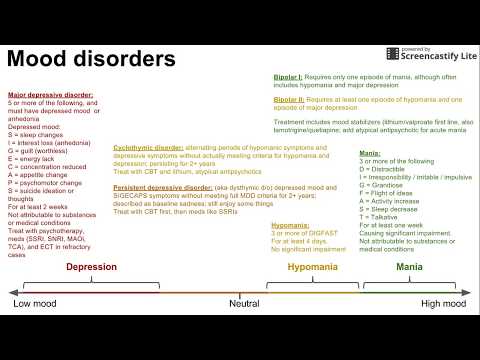
Types of Mood Disorders: There are a few main categories under this umbrella.
- Major Depressive Disorder (MDD): This is where a person feels persistently sad or hopeless for at least two weeks. It’s like waking up every day with a heavy weight on your chest.
- Bipolar Disorder: In this case, moods swing between extreme highs (mania) and lows (depression). You could be on top of the world one moment and then in a deep pit the next.
- Dysthymia: Also known as persistent depressive disorder, it’s a less severe but long-lasting form of depression. Imagine feeling blah for years; that’s what dysthymia feels like.
- Cyclothymic Disorder: This involves periods of hypomania (a milder form of mania) and depression that last for at least two years. It’s like riding an emotional rollercoaster without ever really getting off.
Impact on Mental Health: These disorders can seriously influence not just your mood but also your everyday life. Think about someone who feels trapped by their sadness—it’s tough to get out there and enjoy friends or even go to work when your mind is clouded with unshakeable feelings.
There’s also the social impact. Relationships can suffer because friends might not understand what you’re going through—like when someone says just “snap out of it.” But imagine being stuck in quicksand; telling someone to jump out doesn’t really help much, right?
In essence, understanding these mood disorders means recognizing that they’re real conditions affecting real people—like you or someone close to you. They’re not just phases or bad days; they require recognition and compassion.
Talking about these issues isn’t easy, but it matters a lot! By shedding light on mood disorders, we foster empathy and greater awareness in our communities, making it easier for those who struggle to reach out and seek help when they need it most.
So yeah, mood disorders might seem complex at first glance, but once you break them down into definitions and types—and maybe share some stories—you realize they’re all part of the human experience!
Effective Strategies to Uplift Mood and Combat Depression
Sure! Let’s chat about some effective strategies to uplift your mood and tackle those shadows of depression. It’s like carrying a backpack full of rocks, and we’re looking for ways to lighten your load. So, here’s the deal!
1. Get moving: Exercise is like magic for the brain. It releases endorphins—those happy hormones. You don’t have to run a marathon; just a brisk walk or some dancing in your living room can do wonders! Remember that time you felt good after hitting the gym? Yeah, there’s science behind that feel-good vibe.
2. Connect with others: Isolation can feel heavy, right? Reaching out to friends or family—even just for a chat—can help lift that weight. Sharing how you feel helps you feel lighter, kinda like letting go of a big secret that was holding your chest tight.
3. Mindfulness and meditation: This one’s powerful! Spending just a few minutes focusing on your breath can create calm in the chaos. It’s not about emptying your mind, but more about noticing what’s happening in the moment without judgment. Ever notice how taking deep breaths feels refreshing?
4. Establish a routine: Having a daily structure gives you purpose, something to look forward to each day. Even simple things like making your bed or having breakfast at the same time can be grounding. It might sound boring, but trust me—it works!
5. Nourish yourself: Food plays a role in mood too! Eating balanced meals full of fruits, veggies, whole grains, and proteins can improve how you feel physically and mentally. Think about it: After munching on some greens versus indulging in junk food—most likely one makes you feel better overall.
6. Limit screen time: Social media can sometimes turn into an emotional rollercoaster—one minute you’re laughing at memes; the next, you’re feeling down because of comparisons with others’ lives. Try setting boundaries on how often you scroll through feeds.
7. Seek professional help if needed: That doesn’t mean you’re weak; it means you’re being strong enough to ask for support when things get tough! Therapy can provide tools and insights tailored just for you—it’s like adding new gear to that backpack.
8. Set small goals: When you’re feeling low, even getting out of bed can seem daunting! So break tasks into tiny goals—like brushing teeth or taking a shower—and celebrate those little victories! Each step counts.
Ultimately, lifting your mood is all about finding what resonates with you personally—there’s no one-size-fits-all approach here! You know yourself best; try mixing these strategies until something clicks.
So yeah, navigating through those shadows isn’t easy—but know there are ways to push through them and find the light again.
Exploring Mental Illnesses Similar to Bipolar Disorder: Key Comparisons and Insights
When you think about mental illnesses that share some vibes with Bipolar Disorder, a few come to mind. Each of these conditions has its own quirks, but they also have overlapping traits. Let’s break it down a bit.
One of the first ones is Major Depressive Disorder (MDD). While bipolar disorder is defined by those ups and downs, MDD is mostly about feeling low. You might be stuck in a rut, feeling hopeless or empty for weeks at a time. It’s like living in a fog that just won’t lift. The thing is, people with bipolar disorder can experience episodes of depression too, sometimes making it tricky to tell which one is at play.
Then there’s Persistent Depressive Disorder (Dysthymia). This one lingers around for years—yeah, years! It’s less severe than MDD but it just hangs out like an uninvited guest at a party. People can have periods where they feel okay but mostly it’s just that dull sadness that doesn’t go away easily. It’s like being on a low-level sadness battery that never fully dies.
Another interesting comparison is with Borderline Personality Disorder (BPD). Folks with BPD often experience intense emotions and mood swings similar to bipolar disorder. However, the mood changes can be more instant—like going from happy to angry in minutes! With BPD, relationships can be quite tumultuous because mood swings often stem from fear of abandonment or rejection.
Also worth mentioning are Anxiety Disorders. This includes everything from Generalized Anxiety Disorder (GAD) to Panic Disorders. People who struggle with these conditions might not swing between high and low moods like in bipolar disorder but often deal with significant emotional distress and tension. Stress can trigger manic episodes in some folks who are already predisposed to bipolar disorder.
Let’s not forget about Schizoaffective Disorder. This one can mix things up quite a bit because it includes symptoms of both schizophrenia—like hallucinations or delusions—and mood disruptions similar to bipolar disorder. It really complicates the picture since someone could experience major depressive or manic episodes alongside psychotic features.
Now, it’s super important to recognize that even though there might be overlaps in symptoms across these disorders, each one also has its distinct characteristics and challenges. For example:
- Bipolar Disorder
- MDD
- BPD
- Anxiety Disorders
- Schizoaffective Disorder
involves clear cycles of mania and depression.
usually lacks the manic phase.
focuses more on interpersonal relationships and self-image.
center around excessive worry and fear rather than mood changes.
combines psychotic symptoms with serious mood instability.
So yeah, understanding these similarities helps shine some light on how mental health is a complex web of experiences rather than just black-and-white labels. You could have someone battling multiple issues at once or just one that looks super similar to another! It emphasizes why getting the right diagnosis matters—it’s essential for finding helpful ways to cope and manage life better.
You know, dealing with sad moods can feel like being stuck in a fog sometimes. It’s like you’re walking through life, but everything feels drab and heavy. You might find yourself feeling low for days, weeks, or even longer. It’s more than just a bad day; it’s a whole vibe that can really affect how you see the world.
So let’s chat about mood disorders. Essentially, they’re not just about having moments of sadness; they can actually shape your entire emotional landscape. Imagine waking up feeling like a rain cloud is over your head, even when there’s sunshine outside. That’s something lots of people with mood disorders experience—like depression or bipolar disorder.
Picture this: I once had a friend who seemed to have everything going for her—great job, supportive friends, the works. But she often felt this crushing weight of sadness she couldn’t shake off. It was eye-opening because from the outside, things looked rosy, but inside she was battling something much deeper. Sometimes it takes that kind of perspective to realize how complex emotions can be.
In psychology, these disorders are often linked to a mix of biological, genetic, and environmental factors. Your brain chemistry plays a big role too—think of neurotransmitters as tiny messengers in your head that signal how you’re feeling. When they’re outta whack? Well, that can lead to some serious mood swings or prolonged sadness.
And here’s the kicker: it’s not always easy to spot these disorders in ourselves or in others. People can be masters at putting on a brave face while feeling completely lost inside. It brings up the idea of stigma too—we often think we should just “get over it,” but that couldn’t be further from reality.
Being aware and understanding these sad mood disorders isn’t just helpful for those experiencing them; it creates empathy among friends and family too. After all, wouldn’t you want someone to recognize when you’re struggling? It opens up conversations that are way more meaningful than small talk about the weather.
If you’re navigating through tough emotions or you notice someone else is struggling—you don’t have to have all the answers! Just being there and listening goes such a long way. The shadows can feel daunting but shedding light on these issues helps us all understand each other better.
So whether you’re experiencing these feelings yourself or supporting someone else who’s in those murky waters—just remember: You’re not alone in this journey! The path may twist and turn, but learning about these moods makes it just a little bit easier to navigate together.