You know those days when the weather’s just gray and overcast? Like, you step outside and it feels like the sun hit snooze? Yeah, that’s the vibe for a lot of folks during certain seasons.
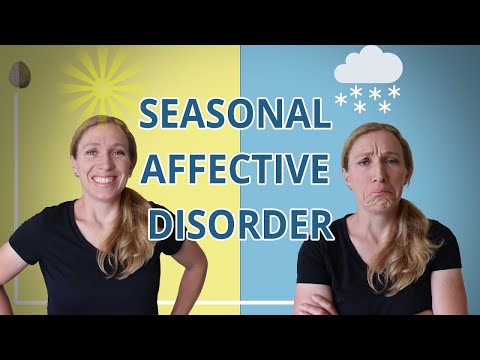
Seasonal Affective Disorder, or SAD for short, is basically when those gloomy months start messing with your mood. It’s not just about disliking winter; it’s a real thing that can zap your energy and make you feel down.
Imagine waking up and feeling like a cloud’s hanging over you. Some people deal with this every year. It’s tough!
So, let’s chat about what’s going on in your brain during these times. There are some pretty interesting insights that might help you understand it better. Ready? Let’s go!
Comprehensive Guide to Seasonal Affective Disorder Treatment Options and Strategies
Seasonal Affective Disorder, or SAD, is that feeling you get when the days are shorter and the weather gets colder. You know, that heaviness in your chest or lack of motivation? It’s a real thing! People often feel more down during fall and winter. The good news is there are ways to deal with it.
Light Therapy is one of the most common treatments. You sit in front of a special lamp that mimics sunlight. It’s said to help boost serotonin levels, which can lift your mood. Some people notice a difference after just a few days! If you haven’t tried it yet, it might be worth checking out.
Then there’s Cognitive Behavioral Therapy (CBT). This approach helps you change negative thinking patterns into positive ones. It’s like giving your mind a little workout! You learn coping strategies to deal with those winter blues. Maybe even keep a journal about your thoughts and feelings—writing it out can really help clarify things.
Exercise plays a big part too. Getting your body moving releases those feel-good endorphins, you know? It doesn’t have to be anything extreme; even taking a walk outside can make a difference. On especially gloomy days, going for a brisk walk may help you feel just a bit more energized.
Nutrition matters as well. Eating well-balanced meals might not seem like a big deal when you’re feeling low but consider this: certain vitamins like D and B12 are important for mood regulation. So maybe try adding foods rich in those nutrients to your diet—think fish, eggs, and leafy greens!
Don’t forget social support. Connecting with friends or family can really lighten that load of sadness hanging around you during winter months. Maybe plan regular meet-ups or even virtual hangouts if that works better for you! Just chatting with someone who gets what you’re feeling can be so comforting.
Lastly, if things get really tough, talking to a mental health professional is always an option if you need extra support—or even medication in some cases can be part of the picture too.
But what happens if winter comes around again? Remember these approaches and stick with them as needed! Keeping up with these practices year-round could help smoother your way into the chilly months ahead.
So yeah, while seasonal changes might just feel like passing clouds sometimes, having some tools in your toolbox makes facing them much easier!
Comprehensive Analysis of Seasonal Affective Disorder Statistics: Trends, Impact, and Insights
Seasonal Affective Disorder, or SAD for short, can feel like a heavy blanket that settles in during the colder months. It’s especially common in places where sunlight is scarce during winter. Research suggests that about 5% of adults in the U.S. experience SAD every year, and many more deal with milder forms of seasonal mood changes.
What’s fascinating is how these statistics vary based on geography. For instance, people living in northern regions, like Alaska or Canada, report higher rates of SAD—sometimes up to 10% or more. This shows just how much our environment can play a role in our mental well-being.
But it’s not just about numbers; let’s talk about the impact. People with SAD often face feelings of sadness, fatigue, and even changes in appetite or sleep patterns. This can make daily activities, like going to work or hanging out with friends, feel incredibly tough. For someone who once thrived during summer months, the change can be jarring.
The symptoms typically start in fall and can last until spring—what a drag! But guess what? There’s some hope here. Light therapy has become a common treatment option and research suggests it works for many people. Basically, sitting near a special light box that mimics natural sunlight may help improve mood and energy levels.
Now let’s get into some interesting trends. Studies have noted an increase in awareness about SAD over the years—which is great! More people are recognizing their symptoms and seeking help instead of just brushing it off as «winter blues.» This growing awareness might also explain why we’re seeing slightly higher reported rates; folks are more willing to acknowledge their struggles now than they were before.
In terms of demographics, women are diagnosed with SAD at significantly higher rates than men—about four times more. Some researchers think that hormonal differences might play a role here. But hey, it’s not exclusive to one gender; men do get it too, but they might experience it differently or may not show symptoms as clearly as women often do.
So what does this all mean? Well, understanding these statistics helps us see that SAD isn’t just a personal issue—it affects many people across various regions and demographics. More importantly, knowing you’re not alone can be super comforting when those winter months hit hard.
To wrap up strongly: Seasonal Affective Disorder is not just “in your head.” It’s very real and affects a lot of people every year. By continuing to raise awareness about its impact and exploring effective treatments like light therapy, we’re moving toward a better understanding—and that’s something we should all feel good about!
Understanding Seasonal Affective Disorder: Key Symptoms and Effective Management Strategies
Seasonal Affective Disorder, or SAD for short, is that mental health struggle that hits some people when the days get shorter and darker. It’s like, when winter rolls around, some folks just feel off. You know? The energy drops, and everything seems a little gloomier. Understanding SAD is important because it helps in recognizing what you or someone you care about might be going through.
So, what are the key symptoms? Well, they can vary from person to person, but there are some pretty common signs you can look out for:
- Low energy levels: You feel tired all the time, even after a full night’s sleep.
- Changes in sleep patterns: For some people, it’s sleeping too much; for others, it’s insomnia kicking in.
- Weight fluctuations: You might notice changes in your appetite—either craving carbs and gaining weight or losing interest in food altogether.
- Difficulty concentrating: Tasks that used to seem easy might suddenly feel challenging.
- Loss of interest: Hobbies or activities you once loved may not seem fun anymore.
- Irritability: You might find yourself snapping at friends or family for no apparent reason.
Imagine this: It’s cold outside, gray clouds are constantly hanging low, and all you want to do is curl up with a blanket instead of going out with friends. That feeling of being left out stings. It’s common for folks with SAD to isolate themselves during these months.
Now let’s talk about managing it because knowing what you’re dealing with is only part of the battle. Here are some strategies that can really help:
- Light therapy: This involves sitting in front of a special light box that mimics natural sunlight. It can help boost your mood by influencing your brain’s chemicals.
- Taking outdoor breaks: Even on cloudy days, try to get outside during daylight hours as much as possible. Nature has its own way of uplifting us!
- A regular exercise routine: Getting your body moving releases those feel-good hormones—endorphins! Even short walks can make a difference.
- Meditation and mindfulness practices: These techniques can help reduce stress levels while promoting relaxation and positivity.
It’s crucial to know that if things become too heavy or overwhelming, reaching out for professional support is always an option. There’s nothing wrong with needing help.
In short, Seasonal Affective Disorder might bring on those winter blues for many people each year. But understanding the symptoms and having strategies at hand makes it easier to navigate through those darker months—like keeping a light close during the winter nights! Remember that you’re not alone in this fight; lots of people have similar experiences—and together we can shine a little brighter through winter!
You know that feeling when winter rolls around and suddenly, you just wanna hibernate like a bear? Or maybe you’ve noticed some friends becoming a bit more withdrawn, less excited about their usual activities? Well, that’s what Seasonal Affective Disorder (SAD) does to many folks. It’s pretty much like having the winter blues cranked up to eleven.
SAD usually shows up when the days get shorter and the weather turns gloomy. Your brain responds to this reduction in sunlight, kind of like how a plant wilts without water. Seriously. It’s all about those crucial neurotransmitters—like serotonin—that help regulate mood. When sunlight dips, so can your serotonin levels, and that can lead to feelings of sadness or lethargy.
I remember my buddy Jake went through this a couple of years ago. He was always lively in summer but turned into this couch potato in winter. We’d plan movie nights or hangouts, but he’d often cancel last minute, saying he just felt ‘off.’ Seeing someone you care about struggle with something that seems invisible is tough—you want to help them but don’t really know how.
Anyway, besides those mood swings and energy drops, people might experience changes in sleeping patterns or appetite too. Think comfort foods—like everything cheesy and cozy—becoming way too tempting. You crave those carbs as your body tries to combat what it feels is missing (sunshine!), which can lead to some weight gain if you’re not careful.
But here’s where it gets interesting: while it can feel isolating when you’re knee-deep in SAD’s grasp, knowing you’re not alone can be oddly comforting. There are studies out there showing that many people face similar struggles during the dreary months.
So what can you do if those seasonal blues hit hard? Well, light therapy is one option! It involves using special lamps that mimic sunlight; it’s kind of like tricking your brain into thinking spring is just around the corner. Also important: getting outside whenever the sun does decide to peek through those clouds—every bit helps!
In short, understanding SAD is super important—not just for yourself but for those around you too. It helps normalize what many folks go through in those darker months and opens the door for real conversations and support. So next time someone seems down as winter creeps in again, maybe check in with them; sometimes just knowing someone cares makes all the difference!