You know those days when the sky is grey, and all you wanna do is curl up in bed? Yeah, that’s a mood.
There’s actually a name for it—Seasonal Affective Disorder, or SAD for short. It’s more than just feeling a bit blah in winter. For some people, it can feel like a heavy blanket you just can’t shake off.
Imagine waking up and the world outside looks like an endless drizzle. It messes with your energy, motivation, and even your happiness. Crazy how much the weather can affect your mood, right?
So let’s chat about this weird little struggle that many folks face when the seasons change. It’s real, it’s tough, but talking about it helps!
Effective Treatment Options for Seasonal Affective Disorder: A Comprehensive Guide
Seasonal Affective Disorder, or SAD, can really throw a wrench in your emotional gears. You might feel down, tired, or irritable when the days get shorter and the weather gets colder. It’s like you’re stuck in a fog that just won’t lift! The good news? There are several ways to help manage SAD and get you feeling more like yourself again.
Light Therapy is one of the most popular options for people dealing with SAD. Basically, it involves sitting in front of a special light box that mimics natural sunlight. This can help boost your mood by tricking your brain into thinking it’s getting more daylight than it actually is. Some folks start using it in early fall and keep it up through winter. It’s generally recommended to do this for about 20-30 minutes every morning.
Another option is Psychotherapy. Talking to someone—like a therapist—can be super helpful. They can guide you through your feelings and help you come up with strategies to cope with seasonal lows. Cognitive-behavioral therapy (CBT) works particularly well for SAD, as it helps reframe negative thoughts and behaviors.
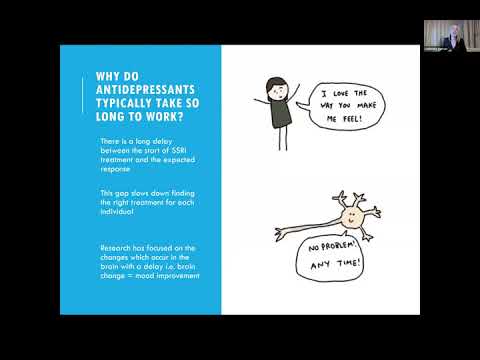
Don’t forget about Medication. For some people, antidepressants can make a big difference. These aren’t the first step for everyone but if you’re finding that other methods aren’t cutting it, chatting with a healthcare provider about medications could be worth your time.
Physical Activity is another great way to boost your mood when winter blues kick in. Regular exercise releases those feel-good endorphins that can lift you up—even if it’s just going for a walk outside when there’s some sunshine peeking through! Even on cloudy days, getting moving can help clear your head.
Vitamin D is essential too! Since sunlight exposure drops during winter months, many people find they’re low on this important vitamin when they start feeling gloomy. You might consider taking supplements after talking to a doctor—it’s usually pretty straightforward!
Here’s something worth mentioning: Social Support. Surrounding yourself with friends or family during those dreary months can provide comfort and connection. Whether it’s grabbing coffee or going on a weekend hike, being around others helps combat feelings of isolation.
Finally, be mindful of Your Routine. Keeping a consistent schedule throughout the year can really help stabilize your mood. Try to stick with regular sleep patterns and healthy eating habits even when winter makes everything seem dreary.
In summary—SAD doesn’t have to hold you hostage every winter! With options like light therapy, therapy sessions, medication (if needed), staying active, getting enough vitamin D, leaning on loved ones for support, and keeping up routines—you’ve got choices! So if you feel those seasonal struggles creeping in this year…remember there are ways out of that fog!
Understanding the Legal Implications of Seasonal Affective Disorder and Anxiety: Rights and Resources
Understanding Seasonal Affective Disorder (SAD) and anxiety can be tough, especially when you throw legal stuff into the mix. So, let’s break it down together.
Seasonal Affective Disorder (SAD) is a type of depression that’s linked to changes in seasons, usually peaking in winter when there’s less sunlight. You might feel more tired, irritable, or just not yourself. It’s like getting hit by a wave of gloom every year when the days get shorter.
Now, if you’re dealing with this while trying to work or study, things can get complicated legally. Discrimination laws protect people with disabilities, and mental health conditions can fall under this umbrella. It means you might have some rights at your job or school.
For instance, if your SAD is severe enough to limit your daily activities, you may qualify for accommodations. These could include flexible hours or some time off to manage your symptoms better. You can’t just walk into HR and say “I have SAD,” though. You’ll likely need documentation from a healthcare provider that explains your condition.
Anxiety, on its own or alongside SAD, can also impact your legal rights. If anxiety makes it hard for you to perform at work—like giving presentations or meeting deadlines—you might be eligible for support as well. Employers are required by law to provide reasonable accommodations unless it causes undue hardship for the company.
Here’s where it gets a bit tricky: knowing what’s considered reasonable is sometimes subjective. Some employers might offer remote work options if that’s what you need, while others may not be so understanding. The key is communication—talking openly about how these conditions affect your work life can go a long way.
You also want to be aware of resources available to you:
- Employee Assistance Programs (EAPs): Many companies offer EAPs that provide mental health support.
- Mental Health Services: Local clinics or online resources can help with treatment options.
- Legal Aid: If you’re feeling discriminated against because of your condition, legal aid organizations may assist you in understanding your rights and exploring options.
It’s important not to feel alone in this struggle; many people face similar challenges when it comes to mental health and work life. You’re definitely not the only one navigating these waters.
And hey, awareness is power! The more informed you are about your rights concerning Seasonal Affective Disorder and anxiety, the better equipped you’ll be to advocate for yourself.
So remember: take care of yourself first! Reach out for support when needed and know that there’s no shame in seeking help—whether that’s from friends, family, professionals, or legal resources available out there!
Understanding Seasonal Affective Disorder Symptoms: Key Insights and Management Strategies
Seasonal Affective Disorder (SAD) can be a real drag for many people, especially during those darker months. Basically, it’s a type of depression that surfaces when the seasons change, most commonly in winter. You might feel down, tired, or just not quite yourself. Let’s unpack this a bit!
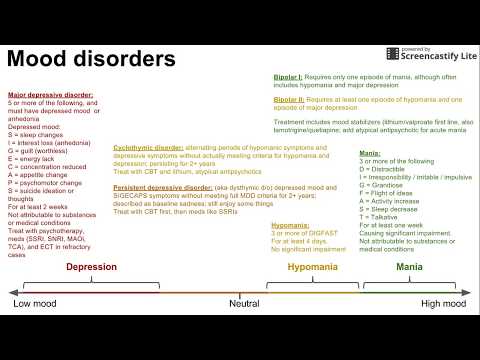
Symptoms of SAD can vary from person to person, and they often mimic typical depression symptoms. Here’s what you might see:
- Low energy: Ever feel like getting out of bed is like climbing a mountain? That tiredness can be overwhelming.
- Changes in sleep: Some folks sleep way more than usual, while others can’t seem to get any shut-eye.
- Changes in appetite: You might find yourself craving carbs or sweets like they’re going out of style.
- Difficulties concentrating: Your brain feels foggy, and tasks that used to be easy now take twice as long.
- Irritability: You might catch yourself snapping at loved ones for no good reason.
- Loss of interest: Hobbies that once excited you maybe don’t seem so appealing anymore.
It’s important to note that these symptoms usually start in the fall or winter and ease up in spring or summer. But sometimes they can also occur during the summer months; we call this “summer SAD.” So it’s not just winter blues!
Speaking from experience, I remember when my friend couldn’t shake off her low mood every winter. She loved hiking but couldn’t summon the energy to even take a walk outside. It was tough seeing her struggle—sometimes she’d joke about how she felt like a bear hibernating through the season.
Now let’s chat about manual management strategies. If you’re feeling stuck under this cloud of SAD, there are a few things that can help lift your spirits:
- Lamp therapy: Light boxes mimic sunlight and can trick your body into thinking it’s getting more natural light. A game changer for some!
- Stay active: Physical activity releases endorphins—those feel-good vibes! Even a short stroll could make a difference.
- Mood tracking: Keeping tabs on your feelings might help you spot patterns or triggers related to your mood changes.
- Sociability: Connecting with friends or family can ease feelings of isolation. Sometimes just talking about it helps!
- Nourishment matters:Your diet impacts your mood too! Eating well-balanced meals can boost overall well-being.
If these management strategies don’t cut it, reaching out for professional support is totally valid! Therapists can provide tailored strategies or talk therapy options that fit your needs.
In summary, understanding Seasonal Affective Disorder is crucial because recognizing its symptoms is the first step toward managing them effectively. Remember, you’re not alone in this—you’ve got options!
You ever feel like when the days get shorter and the skies turn gray, it’s harder to stay upbeat? That’s pretty common, and for some people, it goes beyond just the winter blues. It’s called Seasonal Affective Disorder, or SAD for short. It’s a real deal that can throw off your mood big time.
Imagine this: you’re sitting in your cozy living room, but instead of feeling relaxed, there’s this heavy weight on your chest. You might start losing interest in your favorite activities—like what used to bring you joy now feels like a chore. Friends invite you out, and instead of feeling excited about it, all you want is to hibernate like a bear. I mean, it’s tough when you’re surrounded by so much festivity but don’t feel part of it.
What really gets me is how our brains are wired to connect light with mood. When sunlight hits our skin, it triggers biological processes that can improve our mood and energy levels. But during those dark winter months? Well, we just don’t get enough of that sunshine vitamin D, and our brains can get a little out of whack.
It’s not just about feeling down though; some folks might experience fatigue or changes in sleep patterns. Maybe you’re sleeping too much or struggling to wake up—either way, it’s exhausting. And then there’s that pesky irritability creeping in! You know that feeling when everything annoys you just a bit more than usual? Yup, SAD has a hand in that too.
On top of all this emotional struggle, there’s often guilt because people wonder why they can’t just «snap out of it.» Like they feel there’s something wrong with them for not being happy during what should be the most wonderful time of the year! It’s a challenging cycle because feelings of worthlessness can trap people even deeper into their sadness.
So what can help? Well, many find light therapy beneficial—sitting by those fancy lamps designed to mimic sunlight. Others consider getting outside whenever possible (even if it’s cloudy), exercising through those chilly months or chatting with friends about their feelings—it helps create connection even when the weather tries to pull us apart.
In a way, it’s important to remember that you’re not alone if you’re feeling this way during certain seasons. The psychological struggles tied to SAD are real and valid. If you or someone you care about is dealing with it—it’s okay to reach out for support! After all, we all need a little help sometimes—and knowing there’s light at the end of that long winter tunnel makes things a bit easier to handle.