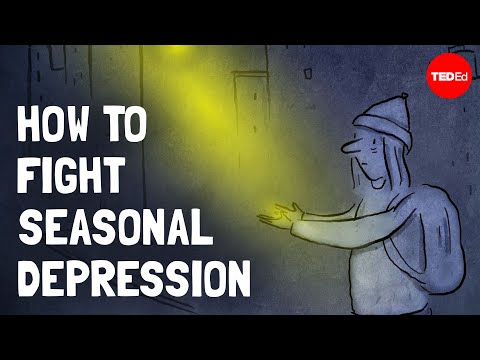
You know those cold, gray days when it feels like the world just hit a snooze button? Yeah, that’s what Seasonal Affective Disorder (SAD) is all about. It’s like winter brought a heavy blanket and wrapped it around your mood—yikes!
Imagine waking up and just not feeling like yourself. The sun barely peeks out, and it feels like there’s this weight sitting right on your chest. That’s what many people experience with SAD. It’s real, and it hits harder than you might think.
Let’s chat about what makes this emotional shift happen. It’s not just the lack of sunlight or chilly weather; there’s way more going on under the surface. Understanding how it works can be a game-changer for so many folks dealing with these feelings during the winter months.
Comprehensive Guide to Seasonal Affective Disorder Treatment: Strategies and Solutions
Seasonal Affective Disorder (SAD) is something many people deal with, especially when winter rolls around. You know that feeling—when the days get shorter and the sun hides a little too long? It can hit hard. The emotional weight it carries can feel heavy, so let’s chat about some ways to tackle it.
One of the first signs of SAD is often a shift in mood. You might feel more down, irritable, or just plain “off” during those cold months. It’s not just in your head; the lack of sunlight can really mess with your body’s natural rhythms and brain chemicals, like serotonin. So yeah, you’re totally justified in feeling a bit blah!
Light Therapy is one of the big players in combating SAD. Basically, it involves using a special light box that mimics natural sunlight. Just sitting by this thing for about 20 to 30 minutes each morning can help set your body’s clock right again. It sounds simple, but many folks find it makes a world of difference.
Another important aspect is getting outside. I know it’s tough when it’s cold and gloomy out there. But even a brisk walk during daylight hours can help your mood. Maybe try bundling up and hitting the park? Sunlight exposure—real or artificial—does wonders!
Diet also plays a role. Eating well can help stabilize your mood as well as your energy levels. Think fruits and veggies, whole grains, and lean proteins. Oh! And don’t forget about Omega-3 fatty acids found in fish like salmon; they’ve been linked to improved brain function.
Then we’ve got exercise. Seriously, moving your body releases endorphins that naturally lift your spirit. You don’t have to hit the gym every day; even dancing around your living room counts! Remember that time you just let loose while listening to your favorite song? Yeah, that’s what we’re aiming for!
Additionally, consider connecting with others around you. Sometimes just talking things out with trusted friends or family members helps lighten that emotional load you’re carrying. If you feel ready for it, joining support groups could also be beneficial.
And hey, keep an eye on those thoughts! Cognitive Behavioral Therapy (CBT) is another way to combat SAD symptoms by helping you challenge negative thought patterns and develop better coping strategies. A therapist can guide you through this if you think it’d be helpful.
Making some adjustments at home could brighten things up too! Adding mirrors or lighter colors to your space could reflect whatever light comes through those windows–anything to make it feel less drab will work!
In sum: seasonal changes affect our mental health more than we think sometimes! But there are practical steps to lighten that weight when SAD strikes:
- Light Therapy: Use light boxes regularly.
- Get Outside: Take daily walks when possible.
- Eat Well: Focus on nutrition.
- Exercise: Every little bit helps!
- Connect: Share feelings with loved ones.
- Cognitive Behavioral Therapy: Challenge negative thoughts.
- Add Light at Home: Change decor for brighter vibes!
So yeah, if you’re feeling that emotional weight from seasonal changes this year or know someone who does, remember these strategies are out there waiting for you! You’re not alone in this battle against SAD—plenty of folks understand how tough it can get when the seasons shift!
Understanding Seasonal Affective Disorder Symptoms: Recognition and Management Strategies
Seasonal Affective Disorder, or SAD for short, is a type of depression that typically happens when the days get shorter and there’s less sunlight. It’s not just about feeling a bit down; it can seriously affect your day-to-day life. So, let’s break it down into what to look for and how you might manage it.
Symptoms of SAD usually kick in during the fall and winter months. Here are some signs to keep an eye out for:
- Feeling low or hopeless—like you’re carrying around a heavy backpack full of rocks.
- Loss of interest in activities you once enjoyed—like that hobby that used to make you light up.
- Changes in sleep patterns—maybe you’re sleeping way more than usual or can’t seem to get enough shut-eye at all.
- Weight changes—some people find themselves munching more on comfort foods, while others lose their appetite altogether.
- Difficulties concentrating—your brain feels foggy, and focusing on even simple tasks feels like climbing a mountain.
What’s wild is that not everyone experiences all these symptoms; some people might just feel really tired and sad. That was kind of what happened with my buddy Alex last winter. He always loved hiking but suddenly didn’t want to leave his couch. It was tough watching him go through that slump.
If you think you might be dealing with SAD, recognizing those feelings is the first step towards feeling better. But knowing what you’re dealing with isn’t always enough; there are ways to manage those symptoms too:
- Light therapy: This is like catching sun rays without actually being outside. Many people use special lamps designed for this purpose for about 20-30 minutes a day.
- Mood-boosting activities: Try things like exercise or getting outside whenever the sun peeks through—you’d be surprised at how much fresh air can lift your spirits!
- Talking it out: Whether it’s friends or family—or even a professional—it helps to share what you’re going through. You’re not alone in this!
- Pursuing routines: Keeping some structure can help provide stability—a regular sleep schedule can work wonders.
The thing is, everyone deals with SAD differently, so what works for one person may not work for another. It’s kind of like figuring out your favorite pizza topping; sometimes it takes a little trial and error! Just remember this: if things start feeling really heavy and unmanageable, reaching out for professional help can open doors you didn’t even know were there.
SAD might feel like an uninvited guest crashing your party each winter, but understanding its symptoms and having strategies handy can definitely help lighten the emotional load. You’ve got this! Seriously!
Understanding Seasonal Affective Disorder: DSM-5 Criteria and Insights
Seasonal Affective Disorder (SAD) is like that unwelcome guest that shows up when the days get shorter and the weather turns gloomy. You might feel a bit low, tired, or even irritable as winter rolls in, right? But for some folks, it’s way more than just a case of the winter blues. They struggle with symptoms that really impact their daily lives. So what exactly is SAD?
According to the DSM-5, which is basically the manual for mental health disorders, SAD falls under the umbrella of Major Depressive Disorder with a seasonal pattern. It’s official; it’s recognized as a legitimate issue. To meet the criteria for SAD, you typically need to experience these symptoms during specific seasons, often in winter:
- Depressed mood: Feeling sad or empty most of the day.
- Loss of interest: Not finding joy in things you usually love.
- Changes in appetite: Maybe you’re craving carbs or just don’t feel like eating at all.
- Sleep issues: Sleeping too much or struggling to get enough shut-eye.
- Low energy: Finding it hard to get out of bed or feeling sluggish.
- Difficulties concentrating: Your mind feels foggy and you can’t focus on tasks.
- Feelings of worthlessness: A nagging sense that you’re not good enough or guilty about things that aren’t your fault.
The catch is that these symptoms should appear during specific times of the year and improve when seasons change—usually around springtime. It’s not just a fleeting feeling; this stuff can stick around for months!
You know how sometimes you’re stuck inside because it’s freezing outside? That isolation can really mess with your mental health! One friend told me how she used to dread every winter because she’d feel trapped and hopeless until summer hit. That feeling isn’t uncommon among people going through SAD.
SAD isn’t just about feeling down; there are biological factors at play too. Less sunlight means less serotonin production, which messes with your mood-regulating chemicals. It’s like your brain is trying to adjust but can’t quite make it work in darker months.
If this sounds familiar, don’t shrug it off! Light therapy has been shown to help many folks by mimicking sunlight exposure. Some also find other methods useful—like connecting with friends more often or keeping active indoors to manage those heavy feelings during winter months.
If you’ve got this emotional weight resting on your shoulders every winter season, it might be worth digging into more about it—you’re definitely not alone in this!
Coping strategies can vary from person to person, so it’s about finding what works best for you! And hey, if you’ve been feeling seriously down and nothing seems to help, reaching out can make a world of difference!
Seasonal Affective Disorder, or SAD, is one of those things that feels a bit heavy, right? When the days get shorter and the sunlight seems to vanish like a magician’s trick, it can really mess with your mood. You might find yourself dragging through the winter months, feeling kind of blah and not really sure why.
I remember a winter a few years back when I felt this sort of gray cloud hanging over me. The holidays were supposed to be merry and bright, but honestly? I just wanted to hibernate. It’s like I was moving in slow motion while everyone around me seemed to be buzzing with energy. I was tired all the time; even simple things like getting out of bed felt monumental.
What’s interesting is that for many people, this isn’t just about feeling down during the cold months—it’s a real struggle with emotions that can impact daily life. Scientists think it has something to do with changes in light exposure affecting brain chemicals like serotonin and melatonin. And it doesn’t seem fair that some folks feel this way while others are just living their best lives under those same dark skies.
One tough part is that people often don’t realize what’s happening when they’re in it. You might just think you’re being cranky or lazy when really it could be SAD pulling you down. There’s a sense of isolation too. If you’re not talking about how you feel, it’s easy to think you’re alone in this emotional fog.
But here’s something important: recognizing this weight is the first step toward dealing with it. Just acknowledging those feelings can make a difference—you know? It opens up paths to explore solutions that could help lighten that emotional load—like getting some light therapy (those special lamps can do wonders!) or making sure you stay active even when you’d rather curl up under five blankets with hot cocoa.
At the end of the day, understanding Seasonal Affective Disorder means more than just labeling your feelings; it’s about empathy—for yourself and others experiencing similar struggles during those bleak winters. So if you’re finding it hard when the seasons change, you’re not alone in feeling this way; there are ways through it!