So, winter’s here again, huh? You know what that means: shorter days, less sunlight, and for some of us, a bit of a mood dip. Ever heard of Seasonal Affective Disorder?
It’s that thing where the weather can seriously mess with your head. It’s not just about feeling “down.” It goes deeper than that.
A lot of folks experience it, but not everyone knows what’s going on. Trust me, understanding it can really help. Let’s chat about how seasonal changes can play tricks on our minds.
Effective Treatments for Seasonal Affective Disorder: Enhance Your Mental Well-Being
Seasonal Affective Disorder, or SAD, is like that unwelcome guest who shows up when it’s cold and gloomy. You know, as the days get shorter and the sunlight becomes a rare treat, people often find themselves feeling low. But don’t worry—there are effective treatments that can really help boost your mood!
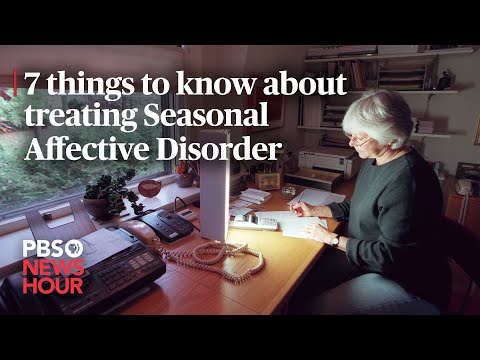
Light Therapy is one of the most popular options. It involves getting exposure to bright light that mimics natural sunlight. The idea is to trick your brain into thinking it’s summer again! People typically sit in front of a light box for about 20-30 minutes each morning. Think about it: you just kickstart your day with a little brightness!
Cognitive Behavioral Therapy, or CBT, is also quite effective. It’s like giving your brain a good workout. This therapy helps you identify negative thoughts and behaviors that drag you down during those dreary months. A therapist guides you in changing those thought patterns into something more positive. Imagine swapping “I can’t handle winter” for “I can enjoy cozy nights with hot chocolate.” Sounds better already, right?
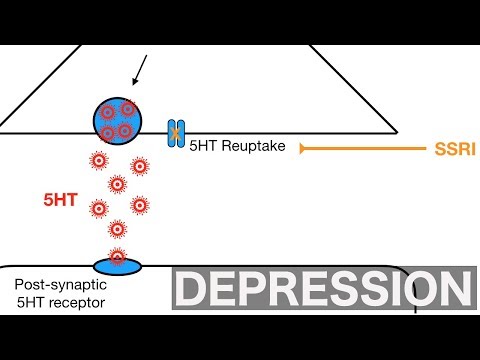
Medication can be another avenue to explore if symptoms are severe or persistent. Antidepressants like SSRIs (Selective Serotonin Reuptake Inhibitors) are sometimes prescribed to balance chemicals in your brain that affect mood. Just like any medication, it’s essential to talk this over with a healthcare professional.
- Exercise: Physical activity doesn’t just keep you fit; it also releases endorphins—those feel-good hormones! Even a short walk outside on sunny days can work wonders for lifting spirits.
- Nutritional Adjustments: Eating healthy can make a difference too! Foods rich in omega-3 fatty acids (like fish) and fruits and veggies are great mood boosters.
- Social Support: Connecting with friends or family can help combat feelings of isolation during those darker months. Plan get-togethers, game nights, or even just regular check-ins via text.
- Meditation and Mindfulness: These techniques focus on being present and can reduce stress levels significantly! Even five minutes of deep breathing here and there helps calm that racing mind.
You see? There are several paths you could take to tackle Seasonal Affective Disorder head-on. Maybe trying out light therapy first feels doable? Or perhaps step into some mindfulness exercises? Explore what suits you best; it’s all about finding what lifts you up when winter starts dragging you down!
The biggest takeaway? You’re not alone in this struggle during those gloomy months! Lots of folks go through SAD, but there’s no shortage of ways to enhance your mental well-being when the sun seems hard to find.
Understanding Seasonal Affective Disorder Symptoms: Signs, Diagnosis, and Treatment Options
Seasonal Affective Disorder, or SAD, is like that unwelcome guest who shows up every winter, bringing a bag full of gloom and fatigue. Seriously, it’s a type of depression that hits during certain seasons, often in the fall and winter months when there’s less sunlight. If you’ve found yourself feeling unusually down when the days get shorter, you might be experiencing some of the symptoms associated with this condition.
Common symptoms include:
- Low energy: Feeling sluggish? It’s more than just being tired after a long day. It can feel like moving through molasses.
- Changes in sleep patterns: Some folks sleep way too much, while others struggle to catch those Zs.
- Loss of interest: Things you once loved doing—like hobbies or hanging with friends—might feel more like chores.
- Cognitive issues: You might notice trouble concentrating or making decisions. It’s frustrating when your mind feels foggy!
- Irritability: You know that feeling when you’re just not in the mood for anything? Yeah, it can get pretty intense.
If this sounds familiar, diagnosing SAD isn’t all that complex. A mental health professional typically starts with your history and current symptoms. They might ask questions about seasonal changes in your mood and how it affects your daily life. Sometimes they use specific criteria from manuals like the DSM (Diagnostic and Statistical Manual of Mental Disorders) to help make sense of things.
The good news is there are treatment options out there! Some effective approaches include:
- Light therapy: This involves sitting near a special light box that mimics natural sunlight. It’s like bringing summer indoors!
- Cognitive-behavioral therapy (CBT): This type of therapy helps change negative thought patterns into more positive ones. Think of it as mental workout sessions!
- Medications: Antidepressants can be prescribed if the symptoms are severe or don’t improve with other treatments.
- Lifestyle changes: Getting out for walks during daylight hours or even planning fun activities can boost your mood significantly.
I remember talking to a friend who always seemed super upbeat until winter rolled around. Suddenly, she’d retreat into her blanket cave, binge-watching old shows instead of going out. She finally realized it wasn’t just laziness—it was SAD! Once she started light therapy and made an effort to get outside more, her spark returned as spring approached.
The bottom line is: if winter brings you down consistently year after year, you’re not alone—and there’s help available! Understanding SAD and recognizing its symptoms can be empowering—you don’t have to wait for relief; taking steps toward feeling better is totally possible!
Understanding Seasonal Affective Disorder: Managing Anxiety During Seasonal Changes
Seasonal Affective Disorder (SAD) is one of those things that can really sneak up on you, especially when the seasons change. You might feel fine one moment, and then, bam! The days get shorter, it gets darker earlier in the evening, and suddenly you’re feeling a bit low. It’s pretty common, actually. So let’s unpack it a bit.
SAD is essentially a type of depression that follows a seasonal pattern. Typically, people experience symptoms during the fall and winter months when there’s less sunlight. You know how sometimes you just want to curl up in bed with a blanket and a cup of cocoa when it’s gloomy outside? For some folks, that cozy feeling can turn into something more serious.
Symptoms can range from general feelings of sadness to low energy and changes in sleep patterns. Some people might notice that they’re sleeping way more than usual or having trouble getting out of bed. Others find it hard to concentrate or lose interest in activities they usually enjoy. Seriously—it can feel like your favorite hobbies just don’t hold the same thrill anymore.
The cause of SAD isn’t entirely clear yet, but researchers think it has something to do with changes in light exposure. Less sunlight means less serotonin—a neurotransmitter that helps regulate mood—and it can also throw off your body’s internal clock or circadian rhythm. So when the sun sets at 4 PM? Yeah, not great for your mental state!
Now let’s talk about managing anxiety during these seasonal shifts because coping with SAD is definitely doable! Here are some strategies:
- Get outside: Even on cloudy days, natural light can help boost your mood.
- Create routine: Keeping regular sleep patterns helps stabilize your body’s clock.
- Stay active: Exercise releases endorphins, which are like natural happy pills!
- Socialize: Connecting with friends or loved ones can lift your spirits—don’t isolate yourself!
- Consider light therapy: Special lamps mimic sunlight and can be super helpful for many.
You might even relate to this story: My friend Sara used to get really down every winter. She’d always feel tired and unmotivated as soon as the leaves fell off the trees. One year she decided enough was enough! She started setting her alarm for early morning walks before work while listening to upbeat music. Slowly but surely, she noticed her energy levels creeping back up—even managed to squeeze in time with friends over hot chocolate dates instead of hibernating at home alone.
Of course, if you’re feeling stuck or overwhelmed by sadness that doesn’t seem to lift—like getting hit by an emotional winter storm—it could be worth chatting with someone qualified about what you’re experiencing.
In short? If seasonal changes bring on anxiety or depression for you, know you’re not alone—lots of folks go through this too! And there are ways to tackle those feelings head-on so you can enjoy all seasons without dread hanging over you like dark clouds on a rainy day!
You know how some days just feel heavier, especially when the sunlight starts to fade? That’s basically what Seasonal Affective Disorder (SAD) is all about. It’s like your mood takes a nosedive when the seasons change, particularly into winter. I remember this one winter back in college when the days got shorter. I felt sluggish and unmotivated, kind of like a bear in hibernation. My friends were buzzing with energy while I was just sitting in my room, staring at the wall.
So, what’s happening here? Well, it turns out that when there’s less sunlight, your body produces less serotonin—a chemical that really helps lift your mood. At the same time, melatonin levels might shoot up, making you feel sleepy and kind of down. It’s a bit of a rollercoaster ride for your brain chemistry.
Now, it’s not just about feeling sad for no reason during those dreary months; it can actually affect your daily life. You might notice changes in sleep patterns or appetite. Maybe you find yourself craving carbs or sweets more than usual (guilty as charged!). And all of this can lead to feelings of hopelessness if you’re not careful.
The thing is, recognizing that what you’re feeling isn’t just «being lazy» or «overreacting» can be freeing. If you realize it’s SAD, then you can start thinking about ways to cope with it—like getting more light into your life! Seriously; even sitting near a window or using light therapy lamps can make a difference.
But it also helps to talk about how we all experience ups and downs in our moods and emotions throughout the year—not just during wintertime. Maybe spring brings an allergy season that makes you feel cranky? Or summer heatwaves that zap your energy? Everyone has their own emotional patterns tied to seasons.
So, if you’ve been feeling off-kilter as those days grow shorter, know you’re not alone in this experience! Recognizing Seasonal Affective Disorder as part of mental health awareness could give you some insights into how to care for yourself better during those gloomy months. Listen to what your body needs! You deserve to feel good no matter what time of year it is—don’t let the seasons steal that from you!