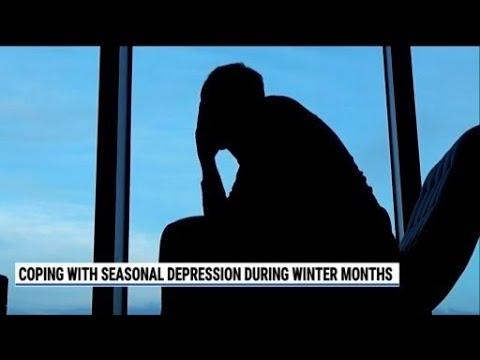
Winter is a tricky time, isn’t it? The days are short, the nights feel endless, and the cold can really get to you. You might notice that your mood dips a bit. It’s totally normal—lots of folks feel this way.
You know how sometimes you just don’t want to get out of bed? Or maybe you’re craving those comfort foods more than usual. Sounds familiar, right?
It’s like our emotions go into hibernation too. We might not even realize it at first! Recognizing these struggles can be tough but super important.
So yeah, let’s chat about what happens during those chilly months and how to spot those sneaky emotional patterns. You’re definitely not alone in this!
Exploring the Emotional Landscape of Winter: Insights and Impact
Winter can be a tough time for a lot of people. The cold, the darkness, and all that snow can really take a toll on our mood. You might feel it too, right? This season tends to bring out some emotional struggles that are hard to shake off. Here’s why.
Seasonal Affective Disorder (SAD) is one of those big reasons. It’s like your mood gets dragged down by the winter blues. Imagine waking up in the morning and feeling like you just want to crawl back under the covers. That’s how some folks experience SAD—a form of depression that happens during specific seasons, especially winter.
But what gives? Well, it’s all about light exposure—or the lack thereof! Your brain produces less serotonin, sometimes called the “happy chemical,” when there’s less sunlight. This drop can lead to feelings of sadness or lethargy. The thing is, it’s not just about feeling a bit low; it can impact your entire routine and health.
- Changes in sleep patterns: You might find yourself sleeping more or feeling super tired during the day.
- Coping mechanisms: Some people turn to comfort food or binge-watching shows as a way to deal with those feelings.
- Sociability: Winter can make you want to hibernate—staying in instead of catching up with friends or family.
The isolation factor can be significant too. Picture this: it’s freezing outside, and most of your friends don’t want to brave the cold either. This lack of social interaction can amplify feelings of loneliness and sadness—it’s like being stuck in a tiny bubble!
You know how some days feel super long? Well, those shorter daylight hours can mess with your body clock too. The disruption in circadian rhythms, which helps regulate sleep and wake cycles, might make you feel extra groggy or moody during winter months.
This emotional landscape isn’t just bleak; there are ways to engage with it! Getting outside during daylight hours—even if it’s chilly—can help boost your mood significantly. Even a little sunshine peeking through those clouds can work wonders for your outlook!
Another tip? Try staying connected with friends and family through calls or video chats when meeting up feels impossible. Keeping those ties alive during winter helps fight off feelings of isolation.
So yeah, while winter has its challenges, recognizing those emotional struggles is step one towards dealing with them head-on. Whether it’s SAD or just feeling blah because it’s freezing out there, knowing you’re not alone makes things a bit easier to handle!
Exploring the Impact of Cold Weather on Emotional Well-Being: A Legal Perspective
Cold weather can sometimes feel like it drags our mood down, you know? When winter rolls around, it’s not just the snow piling up outside; it’s like our emotions start to hibernate too. Many people experience changes in their emotional well-being during these colder months.
One major factor is the lack of sunlight. With shorter days and gloomy skies, we often get less exposure to natural light. This can lead to feelings of sadness or lethargy. It’s kind of like how plants need sunlight to grow; without it, we can start feeling a bit wilted ourselves. You might notice that your energy dips around this time.
Then there’s that whole cozy vibe of being indoors which sounds nice, but too much indoor time can feel isolating. When you’re stuck inside for weeks on end, it’s easy for your mind to spiral a bit. You might find yourself overthinking or feeling anxious—like I once knew someone who loved winter sports but felt so cooped up during a long cold snap that they started feeling really down.
So why does this matter? Well, understanding these emotional struggles is important because they can affect not just mental health but also overall well-being and even relationships with others. When you’re feeling low, it might be harder to connect with friends and family. And let’s face it—sometimes we just want someone to share a hot cocoa with!
- Seasonal Affective Disorder (SAD): This is a type of depression that occurs at the same time each year, specifically in winter when the days are shorter and colder.
- Coping Mechanisms: Engaging in hobbies, exercising indoors, or finding fun ways to enjoy the cold—like building snowmen—can help brighten your mood.
- Social Connections: Staying connected with loved ones through calls or video chats helps combat feelings of isolation during those chilly months.
It’s about recognizing how winter affects us emotionally and finding ways to cope effectively. Like planning some fun activities or even just making an effort to reach out more often! Even small things can make a difference when those cold winds start blowing.
In summary, winter weather impacts emotional well-being. From reduced sunlight leading to seasonal blues to increased feelings of isolation—it all adds up. But acknowledging these challenges helps us deal with them better and keeps our spirits up as we navigate through those ice-cold months!
Understanding Seasonal Affective Disorder: Symptoms, Treatment Options, and Legal Implications
Understanding Seasonal Affective Disorder (SAD)
Alright, let’s chat about something that a lot of people might not even know they’re dealing with: Seasonal Affective Disorder, or SAD for short. Basically, it’s a type of depression that shows up when the seasons change—generally in the fall and winter months. You know how some folks just seem to get bummed out when the days get shorter and darker? That’s kind of what we’re talking about here.
Symptoms
Now, if you’re wondering what symptoms to look out for, they can be pretty similar to regular depression. But here’s the thing: they often kick in around the same time each year. Common signs include:
- Low energy: Feeling like you just want to hibernate all day? Yeah, that’s a telltale sign.
- Changes in sleep patterns: Some people sleep way too much, while others struggle to catch any Z’s at all.
- Weight changes: Craving comfort food or losing your appetite totally fits this mold.
- Lack of interest: Things that usually spark joy might feel dull and uninteresting.
- Difficulties concentrating: Your head feels foggy and focusing on tasks becomes a struggle.
So if this sounds familiar, you could be experiencing SAD. It’s more than just “winter blues,” you feel me?
Treatment Options
Okay, so what can you do if you find yourself dealing with SAD? There are actually several paths to explore. Here are some common options:
- Lifestyle Changes: Getting outside for some natural light—even on cloudy days—can make a big differnce. Fresh air and sunshine help boost your mood.
- Therapy: Talking things out with a mental health professional can provide support and coping strategies. Cognitive-behavioral therapy (CBT) is one effective option!
- Light Therapy: This one involves sitting in front of a special light box designed to mimic natural sunlight. Many folks see improvements after using it daily during the winter months.
- Meditation & Mindfulness: Techniques like these help cultivate a sense of calm and awareness—perfect for when anxiety kicks in.
Every person is different, so finding what works best for you is key.
Legal Implications
Now, let’s touch on the legal side because it’s important too! Did you know that seasonal affective disorder can affect work performance? If someone has SAD but hasn’t been properly diagnosed or treated, they may need time off work. This can bring up questions about rights under disability laws.
In many places, if you’re struggling with mental health issues like SAD that impede your ability to work regularly, it might classify as a disability under employment laws. This means employers may have certain responsibilities—like providing reasonable accommodations—to help out employees dealing with these challenges.
But here’s where it gets tricky: always make sure to consult local laws regarding mental health issues at work because they vary from place to place.
In summary, recognizing emotional struggles during winter months is crucial—not just for your own well-being but also for understanding how it connects to broader aspects of life like work rights. Overcoming SAD isn’t just about feeling down; it’s about addressing real issues that many face during colder months. So keep an eye on those feelings—you deserve better days ahead!
Winter can be a tough time for a lot of us, can’t it? The days get shorter, the temperatures drop, and suddenly we’re surrounded by this cold vibe that seems to seep into our bones. It’s not just the weather that can feel overwhelming; it’s like there’s this invisible weight hanging in the air that makes everything feel heavier.
You know how sometimes you wake up and it feels like you’re trudging through molasses? I remember one winter morning, I was sitting by the window, watching snowflakes dance outside. But instead of feeling cozy with a cup of hot cocoa, I felt an ache in my chest. It wasn’t just the chill outside; I realized I was struggling with my emotions. Everything felt gray—my motivation, my happiness—it all seemed to fade along with the sunlight.
The thing is, it’s pretty common to feel those emotional struggles during winter months. Some people experience Seasonal Affective Disorder (SAD), which is kinda like your brain getting a little confused due to lack of sunlight. Your body craves that natural light for serotonin production—the feel-good hormone—and when it’s missing… well, we can feel stuck in this funk.
But even if you don’t have SAD, so many factors play into those winter blues—stress from holidays, isolation when it’s too cold to go out, or even just feeling like you’ve been cooped up inside for too long. And let me tell you; all that can pile up without us even noticing it. You might find yourself snapping at loved ones or feeling teary at the silliest things like commercials or songs on the radio.
Recognizing these emotional struggles is step one. Just being aware that it’s okay to not be okay during this time can lift some of that weight off your shoulders. It might help to talk about how you’re feeling with friends or family—seriously! You’d be surprised how many share those same sentiments and just need someone to say “Yeah, I get it.”
So yeah, winter might look all sparkly and magical from afar with its snow-dusted trees and twinkling lights, but under that surface lies a real challenge for many people dealing with their emotions. Just remember: if you’re feeling off-kilter this season, you’re not alone—and recognizing those feelings is already a big step forward!