You know how sometimes life throws curveballs at you? Well, imagine dealing with not just the normal ups and downs, but also some pretty intense mood swings and thoughts that get all jumbled up. That’s what folks with schizoaffective and bipolar disorders experience.
It’s like a wild ride, right? One minute you’re feeling on top of the world, then suddenly you’re sinking into a deep pit. And let’s not forget the added layer of confusion that comes with schizoaffective disorder—those who have it might hear voices or see things that aren’t really there.
Understanding these conditions isn’t just about the medical stuff. It’s about real people and their stories. There’s so much more beneath the surface. So, let’s take a closer look at what makes these disorders tick, how they affect lives, and why talking about them matters. You feel me?
Understanding the Coexistence of Bipolar Disorder and Schizoaffective Disorder: Key Insights and Considerations
Understanding the coexistence of bipolar disorder and schizoaffective disorder is like trying to solve a complicated puzzle. Both conditions can mess with your emotions, thoughts, and how you see the world. So, what does this all mean?
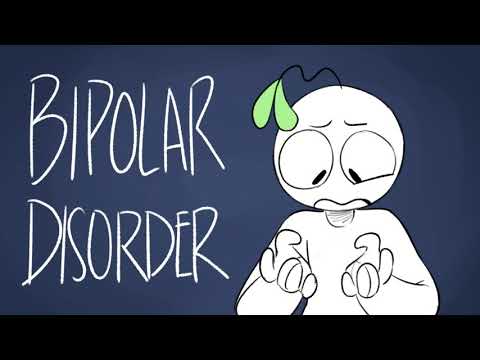
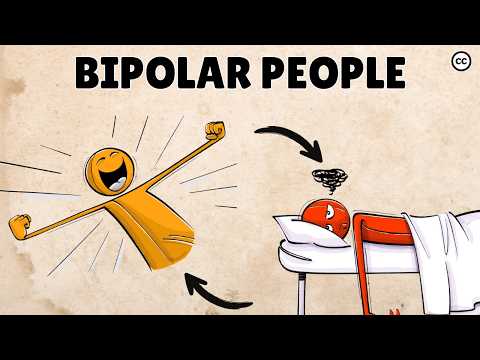
Bipolar disorder is primarily about extreme mood swings. You might feel super happy and energetic one moment—like you’re on top of the world. Then suddenly, you could crash into a deep sadness or feel completely out of control. **These mood episodes can last for days to weeks**, and they often shift without warning.
On the other hand, schizoaffective disorder combines symptoms of both mood disorders and schizophrenia elements, like hallucinations or delusions. So basically, you could be experiencing those wild mood swings from bipolar disorder along with psychotic symptoms. Imagine feeling really happy one day but also hearing voices or believing that someone is plotting against you. It’s chaotic.
The tricky part comes when these two conditions overlap. Some people may have episodes that fit both diagnoses at different times in their lives. This makes it really challenging for healthcare providers to pin down what’s happening.
Here are some important points to consider regarding their coexistence:
- Symptoms May Overlap: Mood swings from bipolar disorder can mimic some aspects of schizoaffective disorder. If you’re feeling manic, you might think you’re invincible and have grand ideas that seem outlandish or even paranoid.
- Diagnosis Challenges: Getting an accurate diagnosis can take time since many symptoms overlap. It’s not uncommon for someone to be diagnosed with one condition first, only later to discover they have both.
- Treatment Approaches: Managing these disorders often involves a mix of medication and therapies tailored specifically to your needs since standard treatments may not work effectively for everyone.
- Support Systems Matter: Having a solid support system is crucial when navigating life with these disorders. Friends and family who understand what you’re going through can make a huge difference.
Let’s think about a hypothetical example: Say you’ve been feeling fantastic—up at night working on creative projects nonstop—then suddenly everything changes, and you can’t get out of bed for days because it feels too heavy to face the world. At this point, if you’re also seeing shadows moving in your room or hearing whispers telling you negative things about yourself, that’s where it gets tricky.
The thing is, living with both disorders means that it’s paramount to seek help from professionals who are skilled at understanding these complex conditions together rather than separately.
No one has to navigate this alone; sharing what you’re going through with those around you—friends or therapists—can bring clarity amidst all the confusion.
In summary, while there are clear aspects separating bipolar disorder from schizoaffective disorder, their coexistence presents unique challenges that require careful attention and understanding. Identifying these overlapping symptoms can help lead to better treatment plans that address both sets of issues head-on!
Understanding the Challenges of Schizoaffective Disorder: Key Struggles Faced by Individuals
Schizoaffective disorder can be a tough experience for those who live with it. Imagine feeling like you’re constantly juggling different realities and emotions at the same time. The disorder combines symptoms of schizophrenia, like hallucinations or delusions, with mood disorder symptoms, such as depression or mania. And let me tell you, that combo can create some serious challenges.
One of the biggest struggles people face is dealing with their symptoms on a daily basis. It’s kind of like being on a rollercoaster, but without the fun part. Some days, you might feel completely elated and full of energy; other days, though, it can feel like there’s just no light at the end of the tunnel. This unpredictability can make maintaining relationships really hard.
- Social Isolation: Picture this: you finally work up the courage to go out and mingle after feeling down for weeks, but then paranoia kicks in and suddenly everyone around you seems suspicious. It’s tough because isolation can feed into the symptoms too—like a nasty cycle!
- Job Stability: Finding and keeping a job is another hurdle. You might be doing great one week but struggle to show up due to depressive episodes or severe anxiety another week. Employers may not always understand, which leads to stress and worry about financial security.
- Stigma: Society often doesn’t get what schizoaffective disorder is all about. People living with this condition might face judgment or misunderstanding from others, which makes it even harder to open up about what they’re going through.
- Treatment Challenges: While medication can help manage symptoms, finding the right treatment isn’t always straightforward. What works wonders for one person might do nothing for someone else; it’s like trying to find that perfect pair of jeans—frustrating!
You see how complex this all is? On top of everything else, there’s also how mental health can affect physical health. Stress is a sneaky little thief that steals your energy and motivation.
It’s crucial for individuals facing schizoaffective disorder to have support systems in place—friends, family, or even support groups where they can share their experiences without fear of judgment. Talking about feelings might feel daunting sometimes (believe me!), but it feels like lifting weights off your shoulders when you do.
Navigating life with schizoaffective disorder means confronting both psychological and emotional hurdles every day. Understanding these challenges isn’t just important for those affected—it helps everyone around them become more empathic and supportive too!
Understanding Schizoaffective Disorder: Evaluating Its Impact on Disability Status
Schizoaffective disorder can be a pretty complex topic, but let’s break it down in a way that makes sense. Basically, it’s a mental health disorder that combines symptoms of both schizophrenia and mood disorders, like bipolar disorder. This means someone with schizoaffective disorder might have hallucinations or delusions along with significant mood swings—think depression or mania.
Understanding the Symptoms
This disorder isn’t just about one type of symptom. You could be dealing with:
- Psychotic Symptoms: These are things like hearing voices or feeling paranoid.
- Mood Episodes: This includes extreme lows from depression or high energy and euphoria during manic phases.
- Cognitive Issues: It might affect your concentration and decision-making.
Imagine someone who has passionate highs where they’re super creative and full of ideas, but then they crash into deep sadness where just getting out of bed feels impossible. That’s the rollercoaster ride of schizoaffective disorder!
The Impact on Daily Life
Living with schizoaffective disorder can seriously impact your daily life. Jobs, relationships, and even self-care can become really challenging. People may struggle to maintain consistent work hours due to mood swings or psychotic episodes.
Think back to a time when maybe you were feeling off—imagine that happening unpredictably over long stretches of time. What do you think that would do to your job performance or how you connect with friends? It’s tough!
Disability Status
Now, here’s where evaluating disability status comes into play. Because of how disruptive this disorder can be, individuals may qualify for disability benefits. But not everyone gets them easily; it often requires thorough medical evaluations and documentation.
The criteria typically focus on how much the disorder limits your ability to function in everyday life. The Social Security Administration looks at different factors like:
- Your medical history: Details about symptoms and treatments.
- Your functional capacity:This includes whether you can manage basic tasks daily.
- Your response to treatment:If traditional treatments aren’t helping much.
For example, if you’ve consistently found it hard to keep a job due to severe mood episodes caused by schizoaffective disorder, this could support your case for disability claims.
Anecdotal Insight
Speaking of challenges, I knew someone who struggled with this condition for years before getting diagnosed properly. They were often misunderstood at work, treated poorly because their coworkers didn’t see why they couldn’t always keep up the same energy level every day. After finally getting help and learning more about their diagnostic label, they began advocating for themselves better in their workplace—despite still battling the symptoms.
In sum, understanding schizoaffective disorder is crucial for grasping how it affects not just individuals but also how society views disabilities related to mental health. It’s complicated but vital!
Okay, so let’s talk about schizoaffective disorder and bipolar disorder for a second. These are two mental health conditions that can really shake someone’s world. You’ve probably heard of them, but understanding the psychological dimensions adds another layer.
Imagine you’re having one of those days where you can’t tell if you’re super happy or really down. That’s kinda what living with bipolar disorder can feel like. There are these intense mood swings, right? One minute you’re on top of the world, feeling invincible, and the next minute you’re in a deep hole, struggling to find motivation to get out of bed. It’s like riding a roller coaster with no seatbelt—pretty wild and sometimes scary.
Now throw schizoaffective disorder into the mix. This one comes with its own flavor of craziness as it blends symptoms of both schizophrenia and mood disorders. It might feel like your mind is playing tricks on you—maybe hearing voices or feeling paranoid while still dealing with those extreme ups and downs in mood, sort of like a double whammy.
Let’s say I have a friend who went through this sort of thing. They would tell me about days when they felt euphoric and started tons of projects—like painting their entire apartment or writing music—followed by periods where they couldn’t step outside because everything felt overwhelming, almost like they were watching life happen from behind glass.
It’s not just those mood changes that are tough; there’s also the personal struggles involved with relationships and work. You know how it is—when someone doesn’t understand what you’re going through, it can lead to isolation or feeling misunderstood. It adds this whole other layer to mental health challenges.
Then there’s the stigma around these disorders too! A lot of people jump to conclusions when they hear terms like “schizophrenia” or “bipolar.” That misunderstanding adds pressure on top for someone trying to navigate their reality.
Ultimately, both disorders highlight how complex our minds are. Our emotional states can intertwine deeply with perceptions of reality—it’s not just about how you feel but also how those feelings shape your view of the world and yourself.
We’ve got to approach these topics with empathy because everyone’s experience is unique! Whether it’s managing mood episodes in bipolar or grappling with psychotic symptoms alongside mood disturbances in schizoaffective disorder—there’s so much more underneath than just labels. Each story matters and deserves to be heard without judgment!