You know, personality can be such a tricky thing to wrap your head around. Like, some folks just seem to vibe differently, don’t they?
Take the schizoid personality type, for example. It’s not your everyday topic over coffee, but it’s definitely interesting. You might wonder what makes them tick or why they seem so detached from the world.
It’s a bit like watching someone at a party who’d rather be outside talking to the stars than mingling with people. It raises questions about how we connect or disconnect, right?
In this little chat, we’ll dig into what schizoid personality really means and how you can evaluate it—if you’re curious enough! So buckle up; it’s gonna be a journey worth taking!
Comprehensive Guide to Assessing Schizoid Personality Disorder: Key Indicators and Evaluation Techniques
When we talk about **Schizoid Personality Disorder (SPD)**, it’s all about understanding how some people’s minds work a bit differently. It’s not just being shy or introverted; it’s a personality style that shapes how someone interacts with the world. Let’s break down what key indicators to look for and how professionals might evaluate this.
Understanding Schizoid Personality Disorder
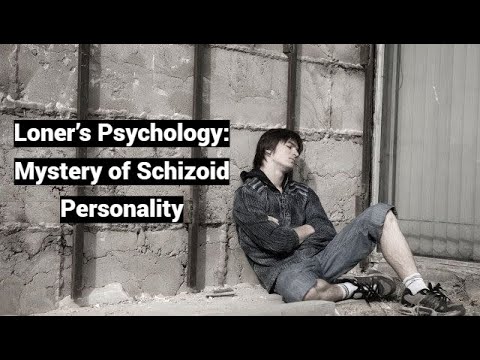
People with SPD often seem distant or detached from social relationships. They might like solitude a lot, and socializing can feel, well, exhausting for them. You’ll notice they don’t really seek out close friendships or romantic ties. It’s like they’re in their own little world, comfortable with that space.
- Lack of Desire for Relationships: A classic sign is having no interest in forming close friendships, even with family. Imagine someone who happily spends weekends alone with books or movies instead of hanging out.
- Emotional Coldness: Those with SPD may seem emotionally flat. If someone shares a big win, they might respond with indifference rather than excitement.
- Preference for Solitude: They often prefer solitary activities—think long walks without company or hobbies that don’t involve others.
- Limited Expressiveness: Their facial expressions and gestures tend to be minimal. Picture someone at a party who’s just nodding instead of laughing or engaging.
Evaluating Schizoid Personality Disorder
Now, assessing SPD isn’t like flipping through a checklist; it’s more nuanced. Psychologists usually start by having conversations and observing behaviors over time.
- Clinical Interviews: This is where the evaluator digs deep into the person’s life history and current feelings. Questions may revolve around relationships and emotional experiences. Think of it as getting to know someone over coffee—except the topics can get pretty deep!
- Standardized Questionnaires: Sometimes there are specific instruments used to measure personality traits. These can help pinpoint characteristics tied to SPD. It’s like doing an online quiz but way more serious!
- Observational Techniques: Evaluators might observe how a person interacts in various settings—a group vs alone—to get insights into their social behavior.
Anecdote & Real-Life Example
Let’s say you know someone named Alex who seems perfectly fine but loves staying home every weekend without feeling bored at all. At parties, he stands in the corner looking at his phone while others mingle around him—not because he hates people but just because he genuinely prefers his own company.
This kind of behavior isn’t something easy to spot initially since many people enjoy downtime too! But for Alex, it’s different—it’s part of how he relates to the world around him.
The Importance of Context
It’s vital to explore these signs within context—what works for one person might not be true for another based on their life experiences. That means understanding cultural factors as well! Someone from a culture that values individuality may express these traits differently compared to others.
So yeah, recognizing Schizoid Personality Disorder involves looking at various patterns across different aspects of life rather than zeroing in on one single instance or feature. It’s about painting a broader picture—one where every stroke matters!
Understanding Schizoid Personality Disorder: Four Key Traits Explained
Understanding Schizoid Personality Disorder can be a bit complex, but let’s break it down into some key traits that define it. Basically, this is about people who tend to prefer solitude and often seem emotionally distant or detached in social situations. With that said, here are four major traits to chew on.
- Emotional Detachment: One of the primary characteristics is a noticeable lack of emotional expression. People with Schizoid Personality Disorder often appear cold or indifferent to others. For instance, imagine chatting with someone who hardly responds or shows any enthusiasm; it can feel like you’re talking to a brick wall! This detachment doesn’t mean they don’t feel anything; they just might not show it outwardly.
- Preference for Solitude: Folks with this disorder usually prefer being alone. Social activities can feel draining or even pointless for them. Think about those times when you just wanted to stay home and binge-watch your favorite show instead of going out. For someone with Schizoid Personality Disorder, that desire for solitude is even stronger and often leads them to avoid social gatherings altogether.
- Limited Interest in Relationships: They might not have much interest in forming close relationships, romantic or otherwise. Picture a person who’s okay with not having friends or partners—it’s not about being antagonistic; they just find comfort in their independence. They may struggle with understanding how friendships work and don’t always seek the same emotional connections as others do.
- Restricted Range of Emotions: There’s often a limited range of emotional reactions as well. For example, in stressful situations, while most people might exhibit anxiety or excitement, someone with this disorder may remain quite composed—or even seem apathetic! It’s kinda like having emotional blinders on; they’re not necessarily unhappy, but their emotional landscape is less vibrant.
So putting all of this together gives us a clearer picture of what it’s like living with Schizoid Personality Disorder. And remember: these traits exist on a spectrum! Not everyone will fit neatly into these boxes perfectly.
Understanding these traits isn’t just important for awareness; it helps create compassion towards those who experience life through such a unique lens. It’s always worth taking some time to think about different psychological perspectives—everyone’s reality can look different based on how their mind works!
Understanding the Risks of Misdiagnosis in Schizoid Personality Disorder
So, here’s the deal: Misdiagnosing someone with Schizoid Personality Disorder (SPD) can happen way more often than you’d think. It’s like getting your eyes checked and finding out you’ve had the wrong prescription for years. You’re seeing things, but not quite right.
First off, it’s important to know what SPD is. People with this disorder often seem to be loners. They prefer solitude, have trouble expressing emotions, and don’t really crave social interactions like most do. But here’s the kicker: These traits can look a lot like other conditions—like depression or even autism spectrum disorders.
- Overlap with Other Disorders: Many folks with SPD might also have traits of other mental health issues. For example, someone who is socially withdrawn could be misread as having social anxiety or even depression when in fact they just truly enjoy their alone time.
- Cultural Factors: Different cultures have varying views on social interaction and emotional expression. Someone from a culture that values individualism and independence might be labeled as having SPD when they’re just embodying cultural values.
- Lack of Awareness: Sometimes, both patients and clinicians might not even recognize what SPD really is! A therapist might see a client who seems detached and jump to conclusions without digging deeper into their personal history.
Now let’s think about how this misdiagnosis could affect someone’s life. Imagine you’re feeling fine being introverted but get slapped with a label that says you’re disordered. What happens? You might end up taking meds that don’t help because they’re treating the wrong issue! Ugh!
Another thing to consider is stigma. If someone gets misdiagnosed with SPD, they could face judgment from others who think they’re «broken.» This adds another layer of stress that doesn’t help anyone’s mental state.
Also, there’s this risk of treatment plans being totally off-track. Like if a doctor decides to use therapy aimed at social engagement for someone who doesn’t actually want or need it? It can lead to frustration on both ends.
Overall, being aware of these risks can help both individuals and professionals navigate the murky waters of personality disorders better. It’s all about understanding better signs and patterns rather than rushing to conclusions based on surface-level behaviors.
So remember: Misdiagnosis isn’t just a small error; it can lead to a domino effect that impacts everything from personal identity to relationships! It’s crucial for everyone involved—therapists, patients, families—to communicate openly and look beyond first impressions.
So, when you hear the term “schizoid personality,” what usually comes to mind? You might think of someone who’s super distant or maybe just doesn’t seem to connect with people in the same way most of us do. And yeah, that’s part of it, but it’s really a bit more complex.
Imagine someone who’s perfectly content spending their weekends entirely alone, diving into a good book or binging on those obscure documentaries that no one else seems to care about. They’re not lonely or sad; they’re just—well—enjoying their own company. That’s a key aspect of schizoid personality disorder (SPD). People with SPD often appear aloof or detached, but this doesn’t mean there’s something inherently wrong with them. It’s just their unique way of navigating the world.
You see, evaluating schizoid personality can be tricky because these individuals typically don’t express much emotion outwardly. They might feel things deeply, but you wouldn’t know it just by looking at them. They tend to prefer solitary activities over social ones and may not desire close relationships like most people do.
When testing for SPD, psychologists often rely on specific questionnaires and interviews designed to gauge how someone relates to others and experiences emotions. It’s kind of like trying to figure out if someone prefers hanging out with friends at a party or would rather curl up solo on the couch – along with an extensive set of questions about their thoughts and feelings.
Let me tell you about my friend Sam. He absolutely thrives on his own—totally happy working late into the night on his art projects or exploring new music in solitude. Whenever we hang out, I sometimes wonder if he enjoys our time together as much as I do since he often seems so reserved. But then I realized that even though he prefers being alone, it doesn’t mean he doesn’t appreciate our friendship; he just shows it differently.
One thing that’s interesting is how society often views these personality traits through a lens of judgment—like there’s something inherently wrong if you don’t conform to the social norm of being extroverted and bubbly all the time! But what we need to understand is that there’s no one right way to be human.
So evaluating schizoid personality involves more than just looking at behaviors; it’s also about understanding an individual’s inner world—their preferences and how they experience life emotionally. Which makes it all pretty fascinating when you think about how diverse human behavior can be! It reminds us that everyone has their own unique way of connecting—or not connecting—with others, and that’s totally okay.