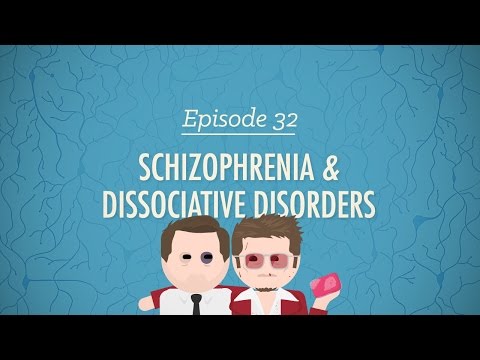
So, schizophrenia. It’s one of those words that kinda freak people out, right? I mean, we hear it thrown around in movies or TV shows, and it’s often painted in such a dramatic light.
But what’s the real deal? What happens in someone’s mind when they’re dealing with this? You might even know someone who’s faced it or seen it up close. It can be tough to wrap your head around.
Well, understanding schizophrenia isn’t just about knowing the symptoms. There are different ways to look at it—like a kaleidoscope of perspectives, each offering a bit more color to the picture.
Let’s dive into how psychologists diagnose it and where those different viewpoints come from. Seriously—you’re gonna want to stick around for this!
Exploring Schizophrenia: A Comprehensive Review of Journal Articles in Psychology
Schizophrenia is one of those topics that can feel a bit overwhelming, right? It’s a complex mental health disorder that affects how a person thinks, feels, and behaves. Sometimes, folks with schizophrenia can seem like they’re living in another reality.
Diagnosis is key when it comes to understanding schizophrenia. It usually involves looking for certain symptoms over a period of time. These symptoms might include hallucinations (like hearing voices), delusions (strong beliefs not based in reality), and disorganized thinking. When diagnosing schizophrenia, clinicians often rely on criteria from the DSM-5, which stands for the Diagnostic and Statistical Manual of Mental Disorders. This manual is kinda like a big rulebook for mental disorders.
So, what’s the deal with psychological perspectives on diagnosing schizophrenia? Well, there are several schools of thought out there:
- Biological perspective: This approach focuses on genetics and brain chemistry. Studies have shown that having family members with schizophrenia increases your risk—like some form of inherited vulnerability.
- Cognitive perspective: Here, it’s all about how people process information. Some researchers believe that difficulties in interpreting reality could lead to symptoms of schizophrenia.
- Social perspective: Social factors play a huge role too! Stressful environments or trauma might trigger symptoms or even make them worse.
An interesting thing is how different cultures perceive schizophrenia differently. In some cultures, hearing voices might be interpreted as spiritual experiences rather than something to be feared. This shows just how important context is when looking at symptoms and diagnoses.
One common challenge with diagnosing schizophrenia is timing. Symptoms must persist for at least six months before making a diagnosis because sometimes people experience short-term psychotic episodes due to stress or substance use—this doesn’t mean they have schizophrenia!
There are also controversies around medication versus therapy. Some articles suggest that antipsychotic drugs are essential for managing symptoms while others argue for psychosocial interventions, like therapy and support groups to help people cope better with their condition.
Finally, understanding individual experiences can really shift perspectives on diagnosis too! I remember reading about someone who deeply struggled with their own identity after being diagnosed—like the label felt heavy and isolating at times, but through therapy and support networks, they began embracing their journey.
So the bottom line? Diagnosing schizophrenia isn’t just checking off boxes; it’s more about understanding each person’s unique situation while balancing different psychological perspectives along the way. It’s complicated but fascinating!
Downloadable DSM-5 Schizophrenia Criteria PDF: Comprehensive Guide for Clinicians and Researchers
When it comes to understanding schizophrenia, it’s crucial to look at what the professionals use as a guide—namely, the DSM-5. This is basically the big book that outlines the criteria for diagnosing mental disorders, including schizophrenia. You might’ve heard about it if you’re into psychology or know someone in that field.
So, what’s in this DSM-5? Well, here’s a quick breakdown of what you’d want to know:
Criteria Overview
First off, schizophrenia is characterized by specific symptoms and behaviors that have to persist for a significant time. To be diagnosed with schizophrenia, someone typically needs to experience at least two of the following symptoms for a month (or less if treated successfully):
- Delusions: These are false beliefs about reality. For example, a person might think they are being persecuted by aliens.
- Hallucinations: This often involves hearing voices that others don’t hear or seeing things not there.
- Disorganized speech: This could mean jumping between unrelated topics or saying things that don’t make sense.
- Grossly disorganized or catatonic behavior: It can range from extreme agitation to lack of movement or response.
- Negative symptoms: These include reduced motivation, lack of emotional expression, and social withdrawal.
Difficulties with Diagnosis
Diagnosing schizophrenia isn’t always straightforward. It takes time and careful observation. Clinicians look for these signs but also consider other possibilities—like mood disorders—that can mimic symptoms of schizophrenia. For instance, someone struggling with severe depression may exhibit psychotic features but doesn’t actually have schizophrenia.
The Duration Requirement
A big part of diagnosis is the detection period. Symptoms must persist for at least six months total—including at least one month of active-phase symptoms (you know, when things get really intense). So if someone has these symptoms for a couple weeks and then they disappear after therapy or medication? It doesn’t mean they automatically have schizophrenia.
Cultural Considerations
It’s also important to think about culture. Different cultures might interpret strange experiences differently. A hallucination in one culture might be a sign of spiritual possession while in another; it could indicate something medical.
The Role of Clinicians and Researchers
For clinicians and researchers using downloadable PDFs that summarize all this—it’s super handy! They provide clear access to criteria right at their fingertips which makes discussions around diagnosis smoother and more standardized across the board.
So basically, having access to something like a downloadable DSM-5 PDF filled with these criteria isn’t just useful; it’s essential for accurate diagnosis. This ensures people get the appropriate help without added confusion over what qualifies as schizophrenia versus other conditions.
Understanding this stuff helps demystify mental health issues—making it easier for everyone involved! But remember: as informative as these documents are, they exist alongside real-world experiences and conversations between patients and healthcare providers which are equally vital in understanding such complex conditions like schizophrenia.
Understanding the Diagnosis of Schizophrenia: Key Criteria and Guidelines
Schizophrenia can sound pretty daunting, right? It’s one of those conditions that people might have heard about but don’t really understand. Basically, it’s a severe mental disorder that affects how a person thinks, feels, and behaves. So let’s break down the key criteria and guidelines used to diagnose schizophrenia.
First off, diagnosing schizophrenia involves several criteria. The *Diagnostic and Statistical Manual of Mental Disorders* (DSM-5) is the go-to reference for mental health professionals. According to the DSM-5, someone must experience at least two of the following symptoms for a significant portion of the time during a one-month period:
- Delusions: These are false beliefs that aren’t based in reality. For instance, someone might think they’re being followed or watched.
- Hallucinations: This usually means hearing voices that others can’t hear or seeing things that aren’t there.
- Disorganized thinking: This could show up as incoherent speech or trouble organizing thoughts.
- Negative symptoms: These involve a decrease in emotional expression or social engagement. You might notice someone not showing interest in things they once loved.
To officially receive a diagnosis, these symptoms should cause noticeable problems in daily life. Think about it: if someone is too caught up in their delusions to hold down a job or connect with family, that’s a strong indicator.
Now, for some people, symptoms can appear suddenly after a stressful event. Imagine someone who just graduated from college but ends up having an episode after experiencing immense pressure—like trying to find a job or handle relationships. That stress can act as a trigger.
Another important aspect is duration. Typically, these symptoms should be present for at least six months total throughout one’s life—even if they don’t exhibit all of them continuously. A flare-up might happen here and there, but there should be some level of disruption to normal functioning.
But remember—schizophrenia isn’t just about one-time episodes; it encompasses chronic conditions with phases of more intense symptoms mixed with periods where things seem clearer.
A common misconception is linking schizophrenia solely with violent behavior. Most folks diagnosed with this disorder are actually not violent; they may struggle more with social connections and self-care.
You also need to rule out other mental health issues before landing on this diagnosis because certain disorders (like bipolar disorder) could mimic similar symptoms. It’s crucial for clinicians to distinguish which condition is really at play here.
So what do you think? Understanding these criteria gives us insight into how complex mental health can be. It’s not just black and white—it requires careful observation and sometimes input from various professionals who specialize in this area.
Just remember: diagnosing schizophrenia—or any mental health condition—isn’t an easy task! It takes time and often multiple assessments from qualified individuals who know what they’re looking at.
Diagnosing schizophrenia isn’t just about ticking boxes on a checklist, you know? It’s a bit of a dance between different psychological perspectives. In fact, it’s like looking at a painting from various angles—a full picture emerges only when you step back and examine it from different viewpoints.
Take the biological perspective, for example. This approach focuses on the brain and genetics. It’s all about how neurotransmitters like dopamine might be acting up, contributing to those wild symptoms like hallucinations or delusions. I remember reading about someone who believed their thoughts were broadcasted on the radio. Imagine how isolating that could feel! The biological angle helps us understand why certain treatments involving medication can make a real difference for some people.
On the flip side, you’ve got your psychological perspective—this one zooms in on experiences and thought processes. What happens is that it considers how someone’s environment or upbringing might shape their mental health. If you think about it, stressors, trauma, or even family dynamics could play a big part in either triggering or exacerbating symptoms. There’s this fascinating concept called cognitive-behavioral therapy (CBT) that helps individuals reframe their thinking patterns and manage symptoms better, which shows just how much power our minds have over our perceptions.
And let’s not forget the sociocultural perspective—it’s like taking a wide-angle view of life around us. Different cultures have differing beliefs about mental illness and how it’s treated. In some communities, schizophrenia may be seen through a spiritual lens rather than strictly medical. This cultural context can really influence how someone perceives their own condition and seeks help.
So when we’re diagnosing schizophrenia or trying to help someone struggling with it, we can’t just stick to one perspective; we need to blend them together for a holistic view. Each angle provides vital insights into understanding this complex condition better.
All these layers remind me of my friend who was going through some unsettling times—not exactly diagnosed with anything specifically but definitely showing signs of distress. It took everyone looking at his situation from different angles—family support, therapy sessions focusing on his thoughts, plus understanding his background—to really help him find his ground again.
In short, diagnosing schizophrenia is complex but also deeply human in nature! Each psychological perspective adds its unique flavor to the conversation, shaping approaches towards support and treatment that are compassionate and informed by multiple layers of understanding.