You ever notice how your mood can totally tank when the days get shorter? I mean, one minute you’re riding high on summer vibes, and the next, it’s like someone flipped a switch.
That heavy blanket of gray skies can really mess with your head. Dark mornings and early evenings just don’t help, right?
So, let’s talk about a cool little thing called light therapy. Sounds kinda sci-fi, but it’s actually pretty straightforward. This might just be the game-changer for those of us who struggle through the dreary months.
Stick around! You might find out how a little light can shine a big spotlight on those winter blues!
Exploring Light Therapy as an Innovative Treatment for Depression and Anxiety
Light therapy is like this cool trick we can use to help with mood changes, especially when it comes to feeling down during the darker months. You know how, during winter, the days are short and the sunlight seems to hide? Well, that can really mess with our heads. People often feel more anxious or depressed because they’re not getting enough natural light. It’s called Seasonal Affective Disorder (SAD), and it’s totally a thing!
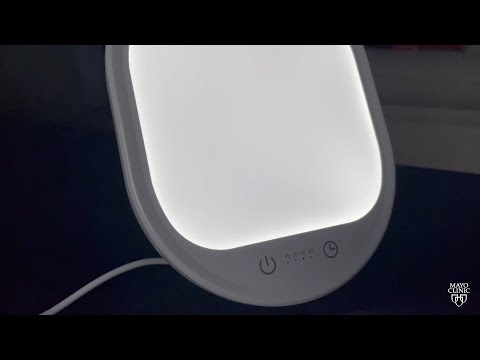
So, what exactly is light therapy? Basically, it involves sitting in front of a special light box that mimics natural sunlight. This box emits bright light—way brighter than your regular lamp—at specific wavelengths that are thought to help boost your mood and energy levels. You’d usually sit in front of this light for about 20-30 minutes each day.
Here’s why it works:
- Increased Serotonin: The bright light helps increase serotonin levels in the brain, which is a chemical that helps regulate mood. More serotonin means feeling happier overall.
- Circadian Rhythm Regulation: Light therapy helps reset your internal body clock or circadian rhythm. This means you can sleep better at night and feel more awake during the day.
- Reduced Melatonin Production: Longer periods of darkness increases melatonin production. By using a light box, you decrease melatonin levels during the day, which keeps you alert.
Imagine waking up on a gloomy winter morning where the sun is still asleep when you are! You plop yourself in front of that light box while sipping your coffee. It’s like bringing a piece of sunny California into your living room—even if you’re bundled in layers! Over time, many people report feeling less sluggish and more energized.
Of course, like all treatments, it’s not one-size-fits-all. Some folks might not notice any change at all or might experience side effects like headaches or eye strain (ouch!). That’s why chatting with a healthcare provider before diving into this method is smart.
In practice, people have found success combining light therapy with other treatments like talk therapy or medication for anxiety and depression. And hey, even if you don’t have SAD but still deal with those winter blues every year? This could seriously help lighten your mood.
Overall, light therapy offers an innovative approach to managing seasonal mood changes, making those dark days feel just a bit brighter!
Understanding the Legal Implications of Light Therapy Lamps: Regulations and Compliance
Light therapy lamps have become pretty popular for helping with seasonal mood changes, especially for folks dealing with Seasonal Affective Disorder (SAD). But what about the legal side of things? It’s important to understand that there are regulations and compliance issues surrounding these devices, you know?
First off, let’s talk about regulations. In many countries, light therapy lamps fall under the category of medical devices. This means they need to meet specific guidelines set by regulatory agencies. For instance, in the United States, the Food and Drug Administration (FDA) plays a big role here. They require that any lamp marketed for medical use is subject to certain standards. These standards can involve safety testing and efficacy data to prove the lamp actually works.
In Europe, it’s similar but can vary by country. Devices might need to be marked with a CE label, indicating that they comply with European health and safety requirements. So if you’re considering using or selling these lamps, knowing your region’s specific rules really matters.
Then there’s quality control. Manufacturers must adhere to quality management systems like ISO 13485. This standard ensures that products are consistently produced and controlled according to good manufacturing practices. If a lamp doesn’t meet these standards and something goes wrong—like causing eye strain or not providing the promised benefits—there could be serious legal repercussions.
Now let’s get into advertising claims. There are strict laws about how these lamps can be marketed. Companies can’t just say whatever they want! Claims regarding efficacy must be backed by scientific evidence; otherwise, they might face penalties or lawsuits from consumers or regulatory bodies.
And compliance doesn’t stop at production; it also involves post-market surveillance. After these devices hit the shelves, manufacturers must keep an eye on them for any adverse events reported by users. If problems occur, there’s often a requirement to report those incidents back to regulators promptly.
It’s worth noting here that even if you’re just a consumer using one of these lamps at home—like when winter rolls around and sunlight is scarce—you should be aware of what you’re getting into. Not all lamps are made equally! Some might not have gone through rigorous testing or may not fully comply with regulations.
On a personal note: I remember feeling really down during a long winter once—a friend recommended trying out one of those light therapy lamps. I did some homework before buying one because I wanted something safe and effective. Turns out spending time researching helped me find a good product while avoiding potential mishaps!
To wrap it up: understanding light therapy lamp regulations is crucial for both consumers and manufacturers alike! You want your experience to be positive while ensuring manufacturers play by the rules—for your safety and effectiveness in treating those seasonal blues!
Understanding Bright Light Therapy for Seasonal Affective Disorder: Legal Insights and Considerations
Understanding Bright Light Therapy for Seasonal Affective Disorder (SAD) involves diving into how light can seriously affect our mood. Let’s break this down, focusing on what it is, how it works, and some legal aspects you might want to consider.
Seasonal Affective Disorder, or SAD, is a type of depression that tends to come around during specific seasons, usually winter when daylight hours are shorter. You may feel more tired, moody, or even struggle with motivation. Bright light therapy tries to tackle these symptoms by using a special light box that mimics natural sunlight.
What happens with light therapy is pretty interesting. Basically, when you spend time in front of one of those bright lights—usually around 10,000 lux—your brain gets tricked into thinking it’s sunny outside. This exposure can increase serotonin levels in your brain and help regulate your sleep-wake cycle. So it’s like giving your mood a little sunshine boost!
There are some key points to keep in mind if you’re thinking about trying this out:
- Consult a healthcare provider: Before jumping into treatment, chatting with a doctor is super important. They can give you the lowdown on whether this therapy is right for you.
- Duration and timing: Most people benefit from about 20 to 30 minutes each morning during peak winter months—just make sure you’re consistent!
- Quality of the light box: Not all light boxes are created equal. Look for ones that filter out UV rays and have the right brightness level.
Now, let’s touch on some legal insights related to bright light therapy. First off, regulations around these therapy devices can differ from place to place since they’re considered medical devices in some jurisdictions but not others. Always check local laws before purchasing one.
Also, be cautious about claims made by manufacturers. Some might suggest their products will alleviate depression or anxiety without enough backing evidence. If something sounds too good to be true, it probably is!
Interestingly enough, if you’re using this therapy under the guidance of a health professional and they prescribe it as part of your treatment plan for SAD, then insurance might cover some costs! It doesn’t hurt to check with your provider about what’s included in your plan.
When I think about my friend Sarah who struggles with SAD every winter, I remember how she was skeptical at first. After her doctor recommended bright light therapy and she gave it a shot consistently for weeks—not only did she start feeling better but she also realized she was way more productive at work! It’s amazing what a little bit of “sunshine” can do.
So yeah! Bright Light Therapy has its pros and cons—it might just be the ray of hope needed during those long winter days when everything feels gloomy! Just make sure you’re well-informed before jumping in!
You know those gray, chilly days when you just can’t shake off that blah feeling? It’s like the weather turns your mood down a few notches, and you find yourself feeling more sluggish and less motivated. A lot of people go through this, especially when the seasons change. Winter can be particularly tough—trust me, I’ve been there.
Light therapy has been a game changer for many dealing with seasonal mood changes. Basically, it involves using a special light box that mimics natural sunlight. You sit in front of it for about 20 to 30 minutes each day, usually in the morning. Sounds pretty simple, right? But here’s the cool part: it can really help boost your mood!
I remember chatting with a friend who struggled with winter blues for years. She tried everything from extra coffee to even vacationing somewhere sunny but nothing seemed to work long-term. Then she gave light therapy a shot after hearing about it from her neighbor. After a couple of weeks, she started to feel more energized and less foggy headed during those dreary months! I mean, who wouldn’t want that?
What happens is that exposure to bright light helps your brain produce more serotonin—the “happy hormone.” It also helps regulate sleep cycles by influencing melatonin production since our bodies get confused when there’s less natural sunlight around.
So yeah, while it’s not everyone’s cup of tea, for many folks suffering from seasonal affective disorder or just general winter slump, light therapy can feel like a bright spot in an otherwise gloomy season! Just think about how easy and accessible it is—sit back and soak up some faux sunshine while sipping your morning coffee. It might sound odd at first, but sometimes the simplest ideas end up being surprisingly effective.