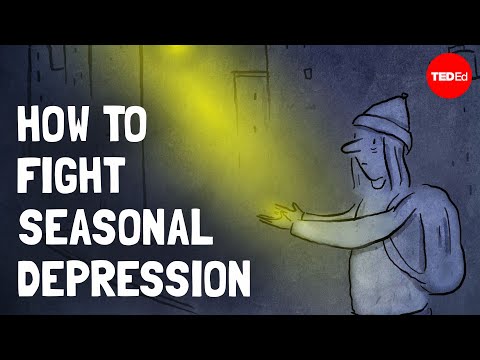
Okay, so picture this. You wake up, it’s dark, it’s cold, and you just wanna stay in bed. Seriously, winter can feel endless sometimes.
You know that feeling when the sun barely shines for days? It’s like someone flipped a switch on your mood. Yup, that’s Seasonal Affective Disorder—or SAD for short. Clever name, huh?
But here’s the thing: there might be a way to chase those blues away with some good ol’ light therapy. Yeah, I know it sounds a bit sci-fi or something, but it’s actually pretty cool.
Let’s chat about how this works and why soaking up some artificial sunlight could really make a difference in your day-to-day vibe. You ready?
Understanding the Speed of Light Therapy Effects on Seasonal Affective Disorder (SAD)
So, let’s chat about light therapy and how it relates to Seasonal Affective Disorder, or SAD for short. Imagine waking up in the winter and seeing nothing but gray skies. It’s like nature decided to crank down the brightness on life, and for many folks, that can seriously bring down their mood.
What is Light Therapy? Well, here’s the deal: light therapy involves using a special kind of light box that mimics natural sunlight. You sit in front of this box for about 20 to 30 minutes each day. The bright light helps kick-start your brain’s production of serotonin, which is that feel-good chemical. When it gets darker outside, your body might not produce enough serotonin. This can lead to feelings of sadness or lethargy—classic symptoms of SAD.
Now, you might be asking yourself—How does this actually work? Good question! When those bright rays hit your eyes, they stimulate cells in your retina. These cells send signals to a part of your brain called the hypothalamus. This is where a lot of important stuff happens—like regulating sleep cycles and mood! Basically, by getting more light exposure through these sessions, you’re giving your mental health a boost.
- The Timing Matters: Experts usually recommend starting light therapy as soon as those longer nights roll in—around fall or early winter—and continuing until spring.
- Consistency is Key: Just like going to the gym or eating healthy, sticking with a routine helps maximize benefits.
- No One-Size-Fits-All: Some people respond better than others to light therapy. It’s about finding what works best for you!
An example: Imagine Sarah who always feels down every winter. After starting her daily routine with a light box in her kitchen every morning while sipping coffee, she noticed huge changes after just a couple weeks! Her energy surged and she could finally get back to her hobbies that she’d put on hold during those dreary months.
This therapy isn’t magic—it won’t cure everything—but it can be super effective for many battling SAD. Plus there are few side effects; some people report mild headaches or eye strain—but hey, way better than feeling sluggish for months!
If you’re considering this route but aren’t sure if it’s right for you? Chat with someone who knows their stuff—like a doctor or mental health pro—to help guide you through this process.
The thing is, embracing more light during those dark months can really help brighten your mood and make winter feel just a little less daunting! So if you’re feeling low when the days grow shorter… maybe it’s time to turn on that bright box and soak up some artificial sunshine!
Exploring Bright Light Therapy as a Treatment for Seasonal Affective Disorder: Benefits and Legal Considerations
Bright Light Therapy has been gaining attention as a treatment for Seasonal Affective Disorder (SAD). It’s like bringing a piece of summer into your winter. If you’ve ever felt sluggish and moody during those dreary winter months, you’re definitely not alone. Many people experience this when daylight hours get shorter. So, what’s the deal with light therapy? Let’s break it down.
What is Bright Light Therapy?
Simply put, it’s exposure to bright light that mimics natural sunlight. The usual setup involves sitting near a special lamp that emits a specific wavelength of light. The idea is to trick your body into thinking it’s getting more sunlight, which can help lift your mood.
How Does It Work?
It affects your body’s internal clock (or circadian rhythms) and boosts the production of serotonin, the «happy hormone.» Those gloomy days can zap your energy and motivation— that’s where bright light therapy comes in. Basically, it can help reset your mood levels just like a jolt of sunshine would do.
Benefits of Light Therapy
There are several perks associated with this treatment:
- Mood Improvement: Many people notice their mood lifts after just a few sessions.
- Sleep Regulation: It can help improve sleep patterns since it adjusts your internal clock.
- No Meds Required: For those who prefer to avoid medications, this is a non-invasive option.
Let’s say you’ve been feeling really low during winter. You set up the bright light box in your living room and spend about 30 minutes each morning near it. After a week or two, friends might even comment on how much brighter you seem!
Legal Considerations
Now, let’s chat about some important legal stuff surrounding this treatment. While light therapy is generally considered safe for most folks, there are some things to keep in mind:
- No Prescription Needed: In many places, you can buy light therapy devices without needing a prescription.
- Quality Matters: Make sure the lamp you choose meets specific standards so you’re not wasting time or money.
- Avoiding Side Effects: Some might experience headaches or eye strain from improper use—so be cautious!
Always check in with health professionals if you’re considering beginning light therapy, especially if you have existing conditions or concerns.
So yeah! Bright light therapy could be just what you need during those dark months when everything feels heavy. It’s an exciting way to bring back some energy and joy without any medications—just pure light working its magic on those moods!
Understanding Light Therapy for Seasonal Affective Disorder (SAD): Benefits, Methods, and Effectiveness
Sure! Let’s break down light therapy for seasonal affective disorder (SAD) in a way that feels like we’re having a casual chat.
Light therapy is, well, pretty much what it sounds like. It involves using bright light to help treat SAD, which is a type of depression that happens when daylight hours get shorter, usually in fall and winter. And you know those gloomy, overcast days? They can really bring people down.
So here’s the scoop on how it works. When you expose yourself to bright light—like, really bright light—your brain gets a boost of serotonin. This is a mood-lifting chemical that can help you feel happier and more energized. Basically, it’s like giving your brain a little sunshine fix, even if the weather outside is anything but sunny.
Benefits of Light Therapy
Well, the good news is that there are several benefits to using light therapy for SAD:
Now, let’s talk about how you can do this whole light therapy thing.
Methods of Light Therapy
There are different methods people use for this:
It’s important to choose something that’s got around 10,000 lux—this basically measures brightness—so regular indoor lighting just won’t cut it.
Effectiveness
So, does it really work? Well, studies have shown that many people report feeling better after starting treatment with these methods. Some folks even say it’s as effective as taking antidepressant medication! It’s not a magic cure-all, though; results can vary widely from person to person.
But hey! It’s crucial to be consistent with it daily because skipping days might make those positive effects fizzle out fast. And while some see results within a few days or weeks, others might take longer.
If you’re considering trying light therapy for yourself or someone else dealing with SAD symptoms, it’s usually a good idea to chat with a healthcare professional first just to ensure it’s right for them based on their unique situation.
In short, light therapy could be a game changer during those darker months! Just think of it like bringing your own little sun into the room when Mother Nature isn’t cooperating.
So, let’s chat about this thing called Seasonal Affective Disorder, or SAD. You know how, when the days get shorter and gloomier during winter, some people just start feeling a little down? Well, that’s what SAD is all about. It’s like your mood gets dimmed down as the sunlight disappears. I mean, who wouldn’t feel a bit less cheery when you’re stuck in gray skies most of the day?
I remember a friend of mine who always seemed to light up the room with her laughter and energy. But come November, she started dragging her feet—literally! She would joke about turning into a bear and hibernating until spring. At first, we thought it was just the winter blues, but it turned out to be a real struggle for her with SAD.
That’s where light therapy comes in! Basically, it involves sitting in front of a bright light box that mimics natural sunlight. The idea is pretty simple: you soak up that light for about 20 to 30 minutes each day. The bright light helps regulate our circadian rhythms — you know, those internal clocks that tell us when to sleep or wake up — and can kickstart serotonin production. That’s the feel-good chemical our brains release!
Here’s the thing: I’ve seen people swear by it! Some say they feel like they’re stepping out into sunshine even when they’re stuck indoors. It can really take the edge off those heavy moods and make the darker months feel a bit lighter.
But remember, not everyone responds to light therapy in the same way. For some folks, it works wonders; for others not so much. It’s kind of like trying on different shoes until you find the perfect fit—sometimes you gotta keep searching! And let’s be honest; there are other factors like emotional support or lifestyle changes that also play a role in how we cope with those dark days.
At the end of the day, if you or someone you know feels a little extra gloomy come wintertime, maybe suggesting light therapy could be one of many options worth exploring? There really isn’t one-size-fits-all for mental health stuff; it takes some trial and error sometimes.
So as we gear up for those colder months again, keep an eye out for each other—it can make all the difference!