You know those gloomy winter days when it feels like the sun just hit the snooze button? Yeah, that feeling can really put a damper on your mood.
If you’ve been feeling a bit more down, sluggish, or just not yourself around the chilly months, you might not be alone. Seasonal Affective Disorder (SAD) is a real thing, and it can mess with your vibe.
But here’s the cool part: there’s this tool called light therapy. It’s like having a little sunshine right in your room!
Let’s chat about how it works and why it could help boost your spirits when those dark clouds roll in. I mean, who wouldn’t want to chase away the blues?
Examining the Efficacy of Light Therapy in Treating Seasonal Depression
When the days get shorter and the weather turns cold, some people find themselves battling an unwelcome guest: seasonal depression. This condition, often called Seasonal Affective Disorder (SAD), can zap your energy and bring on feelings of hopelessness. And that’s where light therapy comes in.
What is Light Therapy?
Light therapy involves sitting near a special light box that mimics natural sunlight. You usually do this for about 20 to 30 minutes a day, ideally in the morning. The idea is pretty straightforward: expose yourself to bright light to help regulate your mood and energy levels.
How Does It Work?
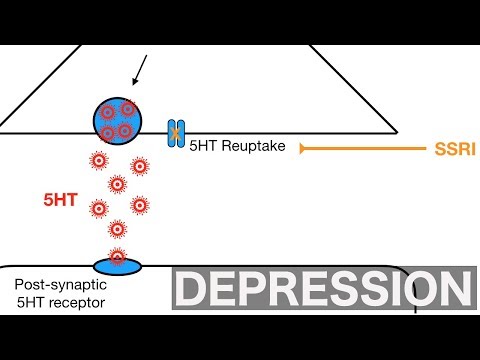
So, what happens when you bask in that artificial sunlight? Well, our bodies produce melatonin, a hormone that influences sleep patterns. In the darker months, melatonin production goes up, which can make you feel sleepy and down. Light therapy aims to suppress this melatonin release during the day and boost serotonin—a neurotransmitter that helps improve mood.
Research Findings
Studies show that light therapy can be super effective for those with SAD. In fact, research suggests that about 70% of people with seasonal depression experience significant improvement after using light therapy consistently. That’s a pretty solid number! One study even found it was as effective as antidepressant medications for some individuals.
Things to Consider
While light therapy isn’t a one-size-fits-all solution, it’s definitely worth considering if you’re feeling down during the winter months. Here are some key points about its efficacy:
- No Side Effects: Unlike some meds, light therapy generally has minimal side effects.
- Timing is Key: Using the light box at the right time makes a big difference.
- Consistency Matters: You need to stick with it daily for best results.
Of course, like anything else in life—there’s no magic bullet here! It’s important to combine light therapy with other treatments if necessary—like talk therapy or lifestyle changes—to really tackle SAD head-on.
Anecdote Time!
I remember chatting with a friend who struggled every winter. She felt like she was living in a fog from November through March. After trying out light therapy on a whim—like she just thought “what’s there to lose?”—she found herself feeling way more energetic and positive. It’s not like her world flipped upside down overnight or anything—but gradually she started enjoying winter again instead of dreading it!
In summary, while more studies are needed and every individual’s brain works differently, many people find relief from seasonal depression through light therapy. If you’re curious about it or think it might help you or someone you know—talking with a health professional could be a good first step!
Essential Vitamins to Combat Winter Depression: A Guide to Boosting Mood and Well-Being
Winter can be a tough time for many people. The days are shorter, sunlight is scarce, and some folks start feeling the blues more than usual. This phenomenon, known as Seasonal Affective Disorder (SAD), can really take a toll on mood and well-being. But hey, there are ways to give your spirits a little boost! One interesting angle to tackle this is through essential vitamins.
So, what vitamins should you be looking out for? Let’s break it down:
- Vitamin D: This one’s a big player when it comes to mood regulation. You get most of your vitamin D from sunlight, so during winter months, levels drop significantly. Some studies suggest that low vitamin D levels can be linked to feelings of sadness or lethargy.
- Vitamin B12: Vital for keeping your energy levels up and supporting brain health. Low levels of B12 have been associated with depression. Foods like fish, meat, and dairy products are great sources—so make sure you’re getting enough!
- Folic Acid (Vitamin B9): This vitamin also plays a role in mood regulation. It’s found in leafy green veggies and legumes. Some research indicates that low folate levels might contribute to depressive symptoms.
- Omega-3 Fatty Acids: Technically not a vitamin but super important! They help with brain function and may reduce symptoms of depression. Think about incorporating more fish or flaxseeds into your diet if you’re not already doing so.
You know what’s interesting? Many people don’t realize how closely our physical health ties into mental health. For example, someone could be feeling off during winter because they’ve been cooped up inside without enough sunlight exposure—leading to lower vitamin D levels—and then their mood starts slipping too! It’s like this cycle; you feel tired because of less light, which makes it hard to do things that bring joy!
Light therapy, another effective method against SAD, involves sitting near a special light box that mimics natural sunlight. It’s been shown to help combat those winter blues by enhancing serotonin production in the brain—the feel-good chemical.
The moral here is simple: keeping an eye on your vitamin intake during those gray months could really make a difference in how you feel day-to-day! But remember, it’s not just about popping some supplements; it’s about creating healthy habits overall—like getting outside when you can or finding ways to maintain connections with friends and family despite the chill.
So next time you’re huddled under the blankets feeling down during wintertime, think about your vitamins and try exploring light therapy too! Small changes can lead to better days ahead!
You know, when the days get shorter and the sun seems to hide away, it can really take a toll on our mood. A lot of people find themselves feeling down during winter months, right? That’s where Seasonal Affective Disorder (SAD) comes in. It’s like a cloud of gloom that settles over you as soon as those leaves start falling.
Light therapy is one of those things that pops up as a potential remedy. Basically, it involves sitting near a special light box that mimics natural sunlight. Imagine being wrapped in sunshine even when you can’t step outside—sounds nice, huh?
I remember my friend Sarah was always so chipper in summer but would turn into this quiet version of herself come winter. She struggled to shake off that heavy feeling during the colder months. Then one day, she decided to try light therapy on a whim, and guess what? It actually helped her feel more energized! She started to smile again after those morning sessions with her light box. It’s such a simple thing but made such a difference for her mood.
The science behind it is pretty neat too. Our bodies have a clock that regulates sleep and wakefulness, called the circadian rhythm. When sunlight fades, so does the production of serotonin—a neurotransmitter largely responsible for our feelings of well-being. Light therapy helps kickstart this process without having to wait for spring!
But it’s not just about fighting off the winter blues. Some folks use light therapy to combat other mental health issues like general depression or anxiety. There’s something refreshing about simulating sunlight when everything outside feels so gray and dreary.
Of course, everyone is different; what works wonders for one person may not do much for another. Still, if you’re feeling those seasonal slumps hit hard each year, maybe giving light therapy a shot could be worth it! Just thinking about how some extra light could lead to more smiles is kind of uplifting in itself!