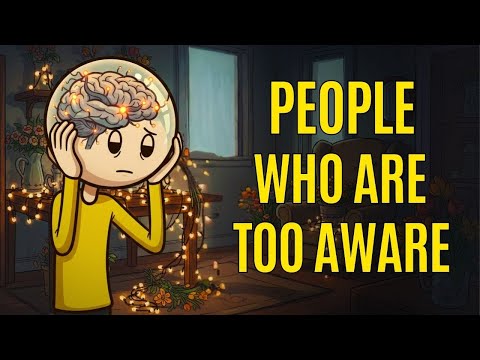
Ever catch yourself staring at the ceiling, thinking about your life choices? Yeah, me too. That’s self-awareness sneaking in! It’s like having a tiny therapist in your head, asking all those deep questions.
So, what’s the deal with self-awareness anyway? Well, it’s all about knowing who you are and how you fit into this crazy world. It can be a game changer for your relationships, your work—pretty much everything.
Think of it as holding up a mirror to your soul. And trust me, that reflection can get real interesting. Plus, figuring yourself out can help you handle life’s curveballs way better.
Stick around! There’s a lot to unpack when it comes to understanding why being self-aware is such a big deal.
Exploring the Importance of Self-Awareness in Psychological Insights and Growth
Self-awareness is like having a mental mirror. It helps you see yourself clearly—not just how you look on the outside, but your thoughts, feelings, and behaviors. When you’re self-aware, you can recognize your strengths and weaknesses, making it easier to navigate through life’s ups and downs.
One of the big reasons why self-awareness is so important is that it fosters emotional intelligence. When you understand your own emotions, you can manage them better. You know when you’re feeling angry or sad and why that might be happening. This way, instead of lashing out at a friend or getting stuck in negative moods, you’re able to take a step back and respond in a healthier way.
Think about it: have you ever been in a situation where someone triggered your annoyance? Maybe a coworker keeps interrupting you. If you’re not self-aware, you might snap at them without thinking. But if you’ve recognized that interruptions make you anxious because they disrupt your focus, then you’ll likely handle it differently—maybe by calmly asking them to let you finish your thoughts first.
Self-awareness also plays a significant role in our relationships with others. It’s like a compass guiding how we interact with friends and family. When we’re attuned to our feelings and how they affect others, we’re less likely to project our issues onto them or misinterpret their actions. For example:
- If you’re aware of your tendency to overreact when stressed, you’ll be more cautious in discussions during tough times.
- Understanding your triggers helps prevent misunderstandings—like recognizing that when someone seems distant, it might not be personal.
Another cool thing about being self-aware is that it aids in personal growth. It encourages reflection on experiences—what went well? What didn’t? This habit builds resilience; instead of avoiding mistakes or failures, you’re more willing to face them head-on because you’ve got insight into what led to those situations.
You know what else? Self-awareness can boost your motivation too! When you’re clear about what truly drives you—whether it’s career success or personal happiness—you can set goals that align with those values. By doing this, you’re less likely to get caught up in pursuing something just because it looks good on paper but doesn’t resonate with who you are.
But let’s be real; the journey towards self-awareness isn’t always easy. You might feel uncomfortable facing certain truths about yourself—maybe you’ve realized you’ve been avoiding confrontation too much or not taking responsibility for some actions. That discomfort is part of the process!
In essence, self-awareness gives us the power to live authentically and intentionally. By knowing ourselves better:
- We improve our relationships.
- Handle emotions more effectively.
- Navigate challenges with clarity.
Embracing this journey isn’t just about becoming smarter; it’s also about becoming kinder—to ourselves and others around us. So yeah! Self-awareness matters—it’s like gaining superpowers for navigating life!
Understanding the 7 Pillars of Self-Awareness: A Comprehensive Guide
Self-awareness is one of those buzzwords you hear all the time, but it’s more than just a trendy concept. It’s a crucial part of understanding who you are and how you interact with the world around you. Let’s break this down into what I like to call the 7 pillars of self-awareness. Each one plays a role in helping you get to know yourself better.
1. Emotional Awareness
This is all about recognizing your feelings and understanding why you feel that way. When something makes you angry or happy, do you know why? Being emotionally aware lets you navigate your reactions without getting lost in them. For instance, if someone cuts you off in traffic and your heart races, instead of just reacting with road rage, ask yourself: «Why does this bother me so much?»
2. Self-Reflection
Taking time to think about your thoughts! It might sound a bit strange, but spending even a few minutes each day reflecting on your day can be super helpful. What went well? What didn’t? This practice can help clarify your values and priorities over time.
3. Values Clarification
What really matters to you? Knowing your core values can guide decisions and actions in your life. Like, do you value family over career achievements? Once you’re clear on this stuff, it becomes easier to make choices that align with who you are.
4. Personality Understanding
Understanding your personality traits helps in grasping how they influence your interactions and behaviors. Are you an introvert who needs quiet time? Or maybe an extrovert who thrives in social settings? Recognizing these traits can lead to healthier relationships by managing expectations between yourself and others.
5. Strengths and Weaknesses Awareness
Everyone has things they’re good at and things they struggle with—like I could never understand algebra no matter how hard I try! When you’re aware of what makes you shine versus what holds you back, it becomes easier to seek growth or ask for help when needed.
6. Mindfulness Practice
Being present in the moment is key here—seriously! Mindfulness isn’t just some buzzword; it involves tuning into what’s happening around and within us without judgment. Practicing mindfulness can reduce stress and improve emotional regulation too!
7. Feedback Reception
How do others perceive us? Listening to feedback (even when it stings) is essential for growth and self-perception adjustment. Think about a time when someone pointed out something about yourself that made you rethink your actions or words—pretty eye-opening, right?
So yeah, self-awareness isn’t just one thing; it’s like this ongoing process that combines all these different pillars into understanding yourself on multiple levels. By working on all seven areas, you’re not only setting the stage for personal growth but also enhancing how others experience being around you!
Understanding Self-Awareness: Exploring Its Psychological Significance and Insights (PDF)
Self-awareness is such a cool concept. It’s basically about being in tune with who you are—your thoughts, feelings, and motivations. Imagine waking up one day and realizing you’re not just going through life on autopilot but actually understanding your own reactions and decisions. That’s self-awareness in action!
When you grasp what self-awareness really means, it opens up a whole new world of psychological insights. You start to see how your emotions and thoughts influence your actions. For example, if you’re often irritable in the mornings, recognizing that might help you adjust your routine or even your sleep schedule.
Why is this important? Well, self-awareness can lead to better emotional regulation. If you know why something triggers a strong reaction in you—a comment from a friend or a traffic jam—you can manage those emotions more effectively rather than letting them dictate your day.
Here are some key points about self-awareness:
- Decision Making: Being self-aware helps you make choices that align with your values and goals. Let’s say you’re offered a job that pays more but doesn’t match your passion—you’ll be better equipped to weigh that decision.
- Relationships: Understanding yourself improves how you interact with others. If you’re aware of what makes you defensive, you can communicate better instead of snapping at someone during a discussion.
- Mental Health: Self-reflection is crucial for mental well-being. It allows you to spot unhealthy patterns and address them before they spiral out of control.
- Personal Growth: Knowing your strengths and weaknesses fosters growth. You realize where to invest time for improvement or when to lean on others.
Think about it this way: remember that time when someone pointed out something about yourself that surprised you? Maybe it was how easily stressed out you got during exams or how much joy playing an instrument brought into your life. That moment of insight—when someone else hold up a mirror—can be like magic! It pushes us toward deeper self-exploration.
However, being self-aware isn’t always sunshine and rainbows. Sometimes, confronting certain truths about ourselves can be tough or even painful. But it’s all part of the journey toward better understanding ourselves.
In short, *self-awareness* is more than just feeling good about oneself; it’s an ongoing process. The more aware we become of our inner worlds, the better we can navigate life—and trust me, it makes things way simpler! So take those moments for reflection; they’re worth it!
Self-awareness, huh? It’s one of those buzzwords that gets thrown around a lot but, honestly, it’s so much deeper than just knowing your favorite ice cream flavor or what you do for fun. Picture this: you’re sitting in a café, sipping your coffee, and suddenly you realize that the things going on in your mind aren’t just random thoughts. You start to notice patterns in how you react to people or situations. That’s self-awareness.
So, what exactly is self-awareness? Well, it’s really about understanding who you are—your thoughts, emotions, and behaviors. Think of it as having a mirror not just for your face but for your inner self. It helps you see why you might get anxious before big presentations or why certain friendships feel off. It’s like having that little voice inside saying, “Hey! Why don’t we figure this out together?”
Now let’s be real for a second. Gaining self-awareness isn’t all rainbows and sunshine. Sometimes it feels uncomfortable to face those parts of yourself that you’d rather ignore. Like that time I realized I often push people away when I’m stressed because I think I need to handle everything alone. Oof! That was a tough pill to swallow because nobody wants to admit they have flaws—but guess what? We all do! The important part is recognizing them so we can decide how we want to change.
Why is this significant? When you’re self-aware, you’re better equipped to handle life’s ups and downs. You start making choices based less on knee-jerk reactions and more on thoughtful decisions about what works for you and what doesn’t. Let me tell ya—when I started understanding my triggers, relationships improved without me even trying too hard!
Plus, self-awareness can lead to better emotional regulation. You know those moments when someone gets under your skin? Instead of snapping back immediately (we’ve all been there), being self-aware lets you take that step back and think about why their words hit so hard.
In the grand scheme of things, self-awareness lays the groundwork for empathy toward others too. When you’re in tune with your feelings and reactions, it’s easier to understand where other people are coming from as well—or at least try to! We’re all just navigating this crazy thing called life together.
So yeah, embracing self-awareness might feel daunting at first but think about how liberating it can be in the long run. It’s like stepping into a new chapter where you’re not just reacting anymore; you’re living intentionally—and who wouldn’t want that?