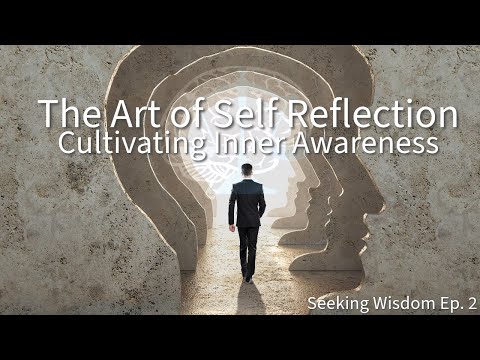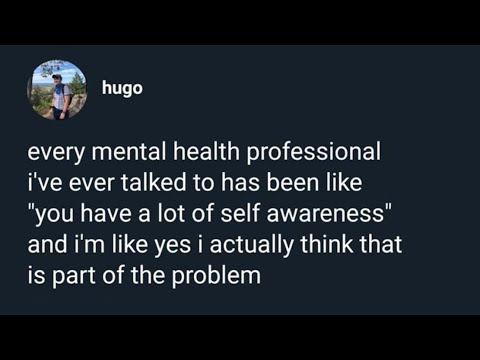
You know that feeling when you just get yourself? Like, you understand why you reacted a certain way? That’s self-awareness, and it’s a big deal. Seriously.
It’s like having your own personal guidebook that helps you navigate life. When you’re in tune with your thoughts and emotions, things start to make more sense. And there’s this cool ripple effect on your mental health.
Imagine being able to recognize when you’re stressed or anxious before it even spirals out of control. Pretty neat, right? Self-awareness can be your secret weapon for feeling good and living authentically!
So, let’s chat about how this whole self-awareness thing impacts our well-being. You might find some pretty interesting stuff here!
Enhancing Self-Awareness for Better Mental Health: Free PDF Guide
The journey to better mental health can start with something simple yet profound: self-awareness. But what does that even mean? Basically, it’s the ability to look in the mirror—not just physically but mentally. It involves recognizing your thoughts, feelings, and behaviors and how they impact your life.
So why is self-awareness such a big deal for mental health? Well, it helps you understand your emotions. You know those moments when you feel like you’re on an emotional rollercoaster? Self-awareness helps you figure out why. Maybe you’re stressed about work or feeling overwhelmed by relationships. When you understand the causes of your feelings, it’s easier to manage them.
Here are some things that highlight why self-awareness is essential:
- Emotional Regulation: When you know what triggers certain feelings, you can respond rather than react.
- Improved Relationships: Being aware of your emotions and how they affect others can enhance communication.
- Better Decision-Making: Understanding yourself leads to choices that align with who you really are.
- Stress Reduction: Knowing your limits and stressors helps in creating boundaries.
Think back to that time when a friend asked if you were okay, and instead of opening up about feeling overwhelmed, you shrugged it off. Later on, you realized that being honest might’ve eased some pressure. That’s self-awareness in action! Recognizing that avoiding conversations doesn’t help anything.
Now, let’s talk about how to enhance this skill because it doesn’t magically appear overnight. It takes practice:
- Journaling: Writing down your thoughts helps clarify them. It’s like having a heart-to-heart with yourself.
- Meditation: This quiet time allows for introspection and can help reduce noise from outside stressors.
- Avoiding Judgment: Try not to be hard on yourself when reflecting—it’s a process!
Imagine sitting down for a few minutes each day just thinking about what made you happy or upset. Over time, those little moments of reflection build up—trust me; you’ll start seeing patterns!
Self-awareness isn’t just some buzzword floating around; it’s a tool. The more aware you become, the more control you have over your life choices. You make decisions based on who *you* are rather than reactively based on temporary feelings.
And remember—there’s no finish line here! Life keeps throwing new experiences at us; staying self-aware means adapting continuously. Whether it’s through journaling or meditating or simply taking the time to reflect, every step counts!
So if you’ve got that free PDF guide sitting around somewhere talking more about this stuff—maybe give it a read! Each insight could be another piece in the puzzle toward understanding yourself better and finding peace of mind in this wild world we live in!
Enhancing Academic Success: The Vital Role of Self-Awareness for Students
Self-awareness is super important for students looking to boost their academic success. Imagine a student named Alex. He’s bright and full of potential, but he struggles with procrastination. Without realizing it, he avoids tasks that make him anxious. Once Alex becomes more self-aware, he starts to understand his feelings and trends in his behavior, like why he puts things off. This awareness can change everything!
When you’re aware of your strengths and weaknesses, it helps you set realistic goals. You can gauge what you’re capable of achieving and where you might need extra help or focus. For instance, if you know math is your weak spot but writing essays is your jam, you can allocate more time to improving those tricky numbers while still playing to your strengths.
Self-awareness also plays a huge role in managing emotions. Studying can often come with anxiety or stress—especially during exams. By understanding how these feelings affect your performance, you can find ways to cope better. Let’s say when exams roll around, you get really panicky; if you’re aware of this ahead of time, you can practice relaxation techniques or reach out for support before things escalate.
Another thing self-awareness does is help with motivation. If you know what drives you—like getting good grades or making your family proud—you’re more likely to stay focused on long-term goals. Think about it: when Alex realizes that doing well in school leads him closer to his dream career in engineering, he’s inclined to push through tough assignments rather than avoiding them.
The way we reflect on our learning styles ties into self-awareness too! Everyone has different ways they absorb information best—some folks are visual learners while others learn better by doing things hands-on. When students figure out their preferred methods of learning, they can tailor their study habits accordingly—and that often leads to better grades.
Lastly, self-awareness improves relationships with teachers and peers. When you’re aware of how to communicate effectively and understand others’ perspectives, group projects become less daunting and conflicts easier to resolve. You might even end up collaborating better because you’re more attuned to both your needs and those of others.
So basically—even though it might seem like a soft skill at first glance—self-awareness is totally vital for academic success! Recognizing how emotions affect motivation, knowing personal strengths or weaknesses in learning styles, and improving communication skills all contribute significantly to a student’s overall performance in school.
In short: embrace self-awareness! It’s not just about getting good grades; it’s about growing as an individual who understands themselves better—and that ultimately makes all the difference!
Unlocking Personal Growth: The Essential Role of Self-Awareness in Development
Self-awareness is like having a compass that points you toward personal growth. It helps you get a clearer picture of who you are, what you want, and how you feel. This understanding can lead to significant changes in your life. Seriously, it’s a game changer!
So, what exactly is self-awareness? Basically, it’s the ability to look inward and recognize your thoughts, emotions, and actions. You know, it’s about asking yourself questions like “Why do I feel this way?” or “What triggered my reaction?” When you start digging into these kinds of questions, you’re on the path to really knowing yourself.
One way to think about self-awareness is through reflection. This doesn’t mean just glancing at your feelings; it’s more about diving deep into them. For example, let’s say you’re feeling really angry after a discussion with someone. Instead of brushing it off or blaming the other person right away, take a moment to reflect: What made that discussion hit such a nerve? Maybe there’s an underlying issue that needs addressing.
Another aspect of self-awareness is recognizing your strengths and weaknesses. Look at it this way: if you know you’re great at problem-solving but struggle with public speaking, you can focus on improving your communication skills while leveraging those problem-solving talents in situations where they shine!
Emotional regulation is also tied to self-awareness. When you’re aware of your emotions as they arise, you’re less likely to react impulsively. Imagine being in an argument with a friend; instead of lashing out, self-awareness gives you the pause needed to think things through or express how you feel calmly.
Self-awareness can lead to better relationships, too. When you understand yourself better, it’s often easier to appreciate others’ perspectives. You might not always agree with them—hey, we’re all human—but understanding where they’re coming from can make interactions smoother and more meaningful.
It doesn’t stop there! Self-awareness also plays a vital role in setting realistic goals and achieving them. If you’re clear on what drives you or what challenges hold you back—it becomes easier to create steps towards personal development without losing sight of yourself along the way.
And let’s not forget the connection between self-awareness and psychological well-being. Research indicates that individuals who practice self-reflection often report higher levels of happiness and satisfaction in their lives. It’s almost like having an emotional balance scale—you become more adept at navigating life’s ups and downs because you’ve got insight into how they affect you.
So yeah! Self-awareness isn’t just some fluffy concept; it’s essential for personal growth in so many ways! By being open and honest with yourself about your feelings and behaviors, you’re laying down fertile ground for transformation—not just for yourself but for those around ya too!
You know, self-awareness is one of those buzzwords that gets tossed around a lot, but it really carries a heavy weight in our lives. When you start to figure out who you are—your emotions, your triggers, and what makes you tick—it can change everything. I remember a time when I felt like I was on this emotional rollercoaster, flipping between joy and frustration like it was my job. It wasn’t until I took a step back and started reflecting on my feelings that things began to feel more manageable.
Self-awareness helps you get a grip on your thoughts and behaviors. Picture this: you’re in an argument with someone close to you. If you’re not aware of where your anger is coming from or what insecurities are bubbling beneath the surface, it’s easy to lash out or shut down completely. But once you take the time to understand that feeling—like realizing that maybe it’s about something deeper—you can communicate better with others. You can say, “Hey, I’m feeling off today because of something else,” rather than just reacting defensively.
And it’s not just about dealing with conflict; self-awareness helps us make choices that align with our values and goals too! Like, imagine trying to pick a career path without really knowing what makes you excited or fulfilled. You might end up in a job that looks good on paper but feels totally hollow inside.
Plus, being self-aware gives you more control over your mental health. When you’re in tune with your feelings, it’s easier to spot when something’s off-kilter—like if you’re feeling anxious for no reason or if sadness lingers longer than usual. You can then take steps towards feeling better instead of just floating through life unaware.
But hey, becoming self-aware isn’t some magical overnight transformation. It takes time and sometimes a bit of courage to face those parts of yourself you’d rather ignore. You might even stumble upon things that feel uncomfortable or painful, like past experiences you’d forgotten about or habits you’ve developed that aren’t serving you anymore.
Still, the journey is worth it! Self-awareness can lead to healthier relationships with ourselves and others—similar to opening up a window after being stuck indoors for too long. It might feel scary at first, but once fresh air starts flowing in? It changes everything!