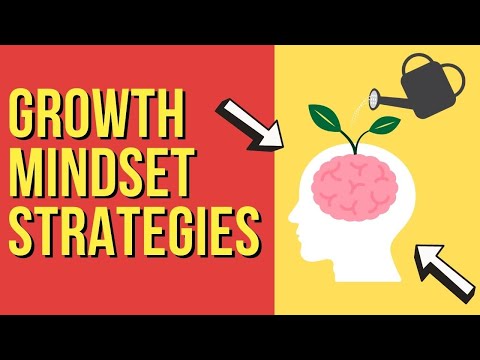
You know that feeling when you’re stuck? It kinda sucks, right? Like you’ve hit a wall and can’t see a way out.
Well, what if I told you there’s a way to twist your thinking and start seeing things differently? Seriously, it’s called a growth mindset.
It’s all about believing that you can improve, learn, and change. That no matter where you’re starting from, there’s always room to grow.
Imagine taking on challenges without that heavy cloud of self-doubt hanging over your head. Sounds freeing!
In this little journey we’re going to explore, let’s dig into how embracing a growth mindset can actually lead to some pretty cool changes in your life. Excited? Me too!
Unlocking Potential: 10 Proven Strategies to Cultivate a Growth Mindset
So, let’s chat about something that can really shift your perspective: cultivating a growth mindset. Basically, this mindset is all about believing that you can develop your abilities through dedication and hard work. It’s like realizing that your brain is a muscle; the more you use it, the stronger it gets!
The concept was popularized by psychologist Carol Dweck. She found that people who believe they can grow and improve tend to achieve more than those who think their abilities are fixed. But how do you actually cultivate this? Here are some strategies.
- Embrace challenges. It sounds simple, but really stepping out of your comfort zone is key. Remember the first time you tried cooking a new recipe? You probably messed up a bit, but you learned from it!
- Learn from criticism. Instead of feeling defensive when someone critiques your work, see it as an opportunity to improve. Like, if a friend points out something in your writing that could be clearer, don’t take it personally—just take notes!
- Celebrate effort over outcome. When you focus on how hard you worked rather than just the end result, it reinforces the idea that growth takes time. Think of those late-night study sessions before an exam; even if you didn’t ace it, the knowledge gained was still valuable.
- Stay curious. Asking questions is fundamental to growth. For instance, when facing a tough problem at work or school, instead of shutting down, try asking yourself what else can be done or learned from the situation.
- Being around people who uplift and challenge each other makes a difference. It’s like being on a team where everyone pushes each other to strive for more—kind of motivating!
- Reframe failure as feedback. Instead of seeing failure as something negative, view it as information about what didn’t work. It’s like when athletes lose a game—they analyze what went wrong to do better next time!
- Savor small victories. Each step forward counts! Maybe you finally nailed that difficult presentation at work—celebrate it! This helps reinforce the idea that progress is happening.
- Create goals but stay flexible. Set specific goals but don’t lock yourself into rigid plans. Life throws curveballs sometimes; adapting may lead you to opportunities you’d never considered before!
- Banish “I can’t” language. Swap out phrases like «I can’t do this» with «I can’t do this yet.» Just adding “yet” opens doors for possibility and makes challenges feel less daunting.
- Pursue lifelong learning. Whether it’s picking up a new hobby or taking an online course, committing to learning keeps your mind active and engaged. Ever tried learning an instrument? The process itself helps develop patience while stoking creativity!
Cultivating a growth mindset isn’t something that happens overnight; it takes practice and patience. Think about your own experiences—a time when you faced difficulty but came out stronger? Those moments build resilience and show just how capable you truly are! So keep pushing forward and remember that every setback is just another step on the path of growth!
5 Effective Strategies to Cultivate a Growth Mindset for Personal and Professional Success
Having a growth mindset means you believe your abilities can improve with effort and learning. It’s like seeing life as a puzzle where every piece can be shifted around. You know, instead of thinking “I can’t do this,” you think “I can learn how to do this.” Here are some strategies that might help you cultivate that mindset.
- Embrace challenges: When stuff gets tough, don’t shy away. Instead, lean into those challenges. They’ve got the potential to teach you something really valuable. For instance, if you’re scared of public speaking, try volunteering to present in meetings. It’ll feel uncomfortable at first, but you’ll grow from it!
- Learn from criticism: Feedback is like gold when it comes to growth. Instead of getting defensive or upset over criticism, view it as a chance to learn something new. I remember a buddy of mine got roasted on his presentation at work. At first, he was bummed out but then he realized he could ask for advice and improve next time.
- Cultivate curiosity: Stay curious about everything; ask questions! Like when you encounter something unfamiliar or daunting—don’t just freeze up—dive deep! Explore new topics or hobbies outside your comfort zone. This will keep your brain sharp and open to new ideas.
- Celebrate effort over outcome: Focus on the hard work you put in rather than just the results. If you studied hard for a test but didn’t get the grade you wanted, it’s still worth acknowledging your dedication! Recognizing that effort builds resilience, which is essential for personal growth.
- The folks you hang out with influence how you think and feel about yourself. Find people who encourage growth and learning rather than those who stick with being comfortable all the time. Their positivity can really rub off and motivate you!
The cool thing about fostering a growth mindset is that it’s a lifelong journey filled with ups and downs—you just gotta keep moving forward! Remember that changing how you perceive challenges takes time, so be patient with yourself along the way.
Your mind is like a muscle—the more you use it in ways that promote growth, the stronger it’ll become!
Strategies for Fostering a Growth Mindset in Students: A Comprehensive Guide
Fostering a growth mindset in students can totally change how they learn and grow. You see, a growth mindset means believing that abilities can be developed through effort and learning. When students embrace this idea, challenges become opportunities rather than obstacles.
One effective strategy is to use positive language. Instead of saying “You’re not good at math,” try saying, “You’re still learning math.” This small shift can really help students see that they are on a journey and that improvement is possible.
Another great way to encourage this mindset is by celebrating effort over results. When students work hard on a project, compliment their effort instead of just the final grade. For example, you might say, “I love how much time you put into practicing your presentation!” This teaches them that effort is what counts.
It’s also super helpful to integrate reflective practices. Encourage students to think about their learning experiences—what worked for them and what didn’t. After completing an assignment or test, ask questions like, “What did you learn from this?” or “How could you approach it differently next time?” This reflection helps them understand that mistakes are just steps towards success.
Group activities can promote collaboration too. Create opportunities where students have to work together on challenging problems. They’ll see different perspectives and realize that everyone learns at their own pace. Plus, discussing struggles together normalizes the idea that it’s okay not to know everything right away.
Setting specific goals can guide their progress as well. Help students set realistic short-term goals that lead towards larger objectives. Let’s say a student wants to improve their writing skills; setting goals like writing one page a week makes the process feel manageable and less intimidating.
Another important aspect is teaching resilience. Share stories of famous people who faced setbacks before achieving success—think Thomas Edison or J.K. Rowling! These stories remind students that persistence pays off in the long run.
Lastly, teaching the importance of self-talk can’t be overlooked. Helping kids understand how their inner dialogue influences their motivation can be a game changer. For example, encouraging them to replace thoughts like “I’ll never get this” with “I can figure this out with practice” reinforces belief in their ability to grow.
Incorporating these strategies creates an environment where kids feel safe making mistakes because they know it’s just part of learning. As they start believing in themselves more and embracing challenges, you’ll notice real change in not only academic performance but also in how they approach life!
You know, when I think about a growth mindset, I can’t help but remember a time in high school when I really struggled in math. Seriously, I just couldn’t wrap my head around those equations. One day, after another disappointing test, my teacher pulled me aside and said something that stuck with me: “It’s not about being smart. It’s about being willing to learn.” That little shift in thinking changed everything for me.
Basically, a growth mindset means believing that your abilities can improve with effort and learning. You’re not stuck where you are; there’s always room to grow. It’s like planting a seed in your brain and watching it sprout into something meaningful over time.
You know how easy it is to feel defeated when things don’t go our way? That’s the fixed mindset talking—thinking you’re just not cut out for something or that you’ll never get better at it. But with a growth mindset? It’s like flipping the script! Suddenly, mistakes become lessons instead of failures. Every setback is an opportunity, and you start seeing challenges as stepping stones rather than roadblocks.
And don’t even get me started on how this impacts relationships! When you adopt this mindset, you’re more open to feedback—I mean really listening instead of getting defensive. You start valuing others’ perspectives and grow together instead of feeling threatened by each other’s success.
Sure, it’s not always easy; sometimes it feels like you’re climbing uphill all the time. There have been moments when I’ve wanted to give up completely, especially on projects that seemed impossible at first glance. But remembering that learning takes time can be so comforting.
The cool thing is that cultivating this mindset doesn’t require some grand overhaul of your life overnight. It’s those little moments—the way you react after making a mistake or how you talk to yourself during challenges—that slowly shape how you view everything around you.
So whether it’s picking up a new hobby or trying to tackle personal struggles, keep reminding yourself: growth takes time—and that’s okay! You’re on your own unique journey filled with twists and turns. And who knows? You might just surprise yourself along the way!