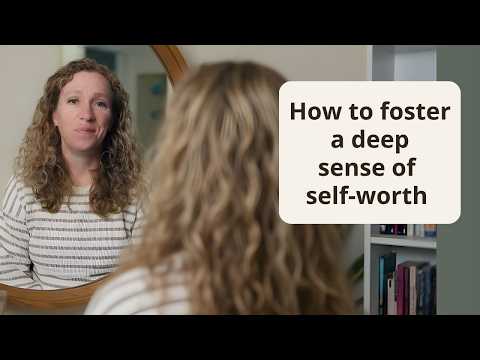
You know that feeling when you look in the mirror and just feel… good? Like, not just because of what you see but because of who you are, deep down? That’s inner worth.
It’s not about flashy accomplishments or how many likes you get on social media. It’s way more personal than that. It’s that little voice inside you that says, “I matter.”
But here’s the thing: life can throw some curveballs that make us doubt ourselves. You might end up feeling like you’re not enough, and trust me, we’ve all been there.
So, let’s chat about self-respect! What it really means and how to cultivate it in our daily lives. It’s time to embrace your worth and give yourself a little love. Sound good?
Exploring the Psychology of Self-Respect: Key Insights and Implications
The psychology of self-respect is one of those topics that sounds pretty straightforward, but there’s a whole lot more beneath the surface. You know, it’s not just about feeling good about yourself; it’s deeper than that. Self-respect is tied to your **sense of worth**, how you see yourself in relation to the world around you. When you respect yourself, you’re better equipped to tackle life’s ups and downs.
So, what exactly does self-respect look like? Well, it involves recognizing your strengths and weaknesses without judgment. It’s like holding a mirror up to your own life and saying, “This is me, and I’m okay with that.” It also plays a big role in how you set boundaries. For example, if someone treats you poorly, having self-respect means you’ll be less likely to tolerate bad behavior. You know when you’ve reached your limit? That awareness comes from a solid sense of self-worth.
Another key point about self-respect is that it can impact your relationships significantly. Think about it: if you’re confident in who you are, you’re more likely to surround yourself with people who uplift rather than drag you down. In relationships where there’s mutual respect, both people feel valued and safe to be themselves.
But here’s something interesting: many folks struggle with self-respect because of outside influences—like social media or family expectations. You might find yourself comparing your life to others’ highlight reels online. This comparison game can really chip away at how you view yourself! So it’s vital to remember that everyone has their battles—even if they seem picture-perfect on Instagram.
Also, consider the role of **self-compassion** here. Being kind to yourself when things go wrong is essential for fostering self-respect. Instead of beating yourself up over mistakes (which we all make), try treating yourself as you’d treat a friend who’s going through a tough time. This shift in mindset can lead to healthier feelings about oneself.
Lastly, cultivating rituals or habits that reinforce positive feelings about who you are can be super beneficial! That could be journaling about your achievements—no matter how small—or even practicing mindfulness techniques that help ground you in the present moment.
In summary, self-respect isn’t just some fluffy concept; it’s foundational for emotional health and navigating life’s challenges effectively. The more you work on this inner sense of worth, the better equipped you’ll be for whatever life throws at ya!
- Self-awareness helps recognize personal strengths and weaknesses.
- Healthy boundaries prevent negative treatment from others.
- Your relationships thrive when there’s mutual respect involved.
- Avoid comparisons with others’ curated lives online.
- Practice self-compassion, especially during tough times.
- Cultivate positive habits, like journaling achievements daily.
So yeah, building that self-respect muscle takes time but is totally worth it!
Mastering Internal Self-Worth: Strategies for Personal Empowerment and Growth
Alright, let’s talk about something that really matters: internal self-worth. It’s like the foundation of your mental house. If it’s shaky, everything else feels off too. So how do you build it up? Here are some ways to cultivate that inner worth and feel empowered in your everyday life.
1. Challenge Negative Self-Talk
You know those nasty thoughts that creep in when you make a mistake? Yeah, those! It’s crucial to catch them in the act. Instead of saying, “I’m such a loser,” flip the script. Try something like, “Hey, I messed up, but I can learn from this.” It’s all about shifting your mindset from criticism to growth.
2. Set Boundaries
Boundaries are super important for protecting your self-worth. Ever felt drained by someone else’s demands? Setting limits helps you prioritize your needs without feeling guilty. Whether it’s saying no to a favor or walking away from toxic relationships, remember that your time and energy matter.
3. Celebrate Small Wins
It’s easy to overlook little achievements because we’re so focused on big goals. But seriously, taking a moment to celebrate small victories can boost your self-esteem tremendously! Did you finish a project at work or make it through a tough day? Acknowledge it! Give yourself some credit; you earned it!
4. Practice Self-Compassion
Being kind to yourself is huge when building self-worth. Think of how you would encourage a friend who feels down—you wouldn’t tear them apart, right? Treat yourself with that same compassion! When things go wrong, try comforting yourself as if you’re talking to someone you care about deeply.
5. Surround Yourself with Positivity
Your environment can seriously impact how you feel about yourself. Hang out with people who lift you up rather than drag you down! Whether it’s friends or family, those who appreciate and support you are essential in nurturing that inner worth.
6. Reflect on Your Values
Take time to think about what truly matters to you—what makes you tick! Is it honesty? Creativity? Helping others? Aligning your actions with your values reinforces your sense of self-worth and lets others see what you’re all about.
7. Mindfulness and Acceptance
Being present is like giving yourself permission to just be—flaws and all! Mindfulness practices can help center your thoughts and promote acceptance of where you’re at right now without judgment. This acceptance creates space for growth rather than self-doubt.
Incorporating these strategies into daily life isn’t just about feeling good; it’s about establishing a strong sense of internal self-worth that empowers growth over time. Everyone has their ups and downs, but building inner respect is one way to keep standing tall—even when life throws challenges at ya!
Understanding the Distinction Between Self-Worth and Self-Esteem: Key Insights and Implications
So, let’s get into this whole self-worth vs. self-esteem thing. It’s kinda important because, believe it or not, they’re related but totally different concepts that shape how you view yourself and your place in the world.
Self-worth is about recognizing your inherent value as a human being. It’s like that quiet voice inside you saying, “Hey, you’re worthy just because you exist.” No matter what happens, whether you ace that work project or stumble in a social situation, your self-worth doesn’t change. It’s more of a steady baseline.
On the flip side, self-esteem relates to your feelings about yourself based on achievements and experiences. Think of it as your personal scoreboard. Did you just nail an interview? Boost in self-esteem! Did someone criticize your cooking? Ouch—down goes your self-esteem! It can fluctuate quite a bit based on life events and how others perceive you.
The key insight? Self-worth is unconditional while self-esteem is conditional. You might have high self-esteem when things are going great but low self-worth when stuff hits the fan. This back-and-forth can mess with your mental state.
- Your friends cheer for you after you win a game. That’s nice! Your self-esteem gets a boost.
- You fail to get into the grad school of your dreams, making you feel like less of a person—that’s where low self-worth creeps in.
You may have heard this phrase: “Just be yourself.” Well, that’s easier said than done if you’re letting external validation dictate how you feel about yourself. If someone constantly critiques the way you dress or think—and let’s be real, sometimes people do—it can shake up both your self-esteem and make you doubt your worth.
An emotional anecdote comes to mind here: remember that friend who always seemed so sure of themselves? But one day they bombed an exam and suddenly felt worthless? That shift was likely tied to their self-esteem crashing while their core value—their self-worth—stayed intact but unnoticed for a moment.
Cultivating inner worth, then, becomes essential. It involves recognizing that your value isn’t contingent on performance or acceptance from others. You are worthy simply because you’re human—flaws and all! But enhancing and maintaining **self-esteem** can also help; it’s about building skills and celebrating achievements while keeping that underlying worth safe from outside opinions.
The implications here are huge! When people understand this distinction better, they can foster healthier relationships with themselves and others. You learn to appreciate achievements without tying them directly to who you are as a person at a fundamental level.
In summary, keep those two concepts in mind: think of self-worth as an unwavering foundation and self-esteem as the decorative elements on top—great but not necessary for stability!
So, let’s talk about this thing called inner worth. It’s like that cozy feeling you get when you know your value doesn’t depend on anyone else’s opinion. That’s self-respect, right? It’s wild how many people, including me at times, tie their sense of worth to external factors—like social media likes or how others perceive us. You know what I mean?
I remember a time in high school when I was totally obsessed with fitting in. I’d change who I was just to get approval from this clique. Looking back, it feels kinda gross. But then one day, I just got tired of it all. I thought, “Why am I trying so hard to be someone I’m not?” And that realization sparked a journey toward embracing my true self.
Cultivating inner worth is really about shifting your focus from the outside world to what’s inside you. Seriously, it starts with recognizing your values and sticking to them. It means treating yourself with kindness instead of that constant inner critic who tells you you’re not enough. That critic can be such a jerk sometimes!
You might be surprised at how small changes can make a big difference. For instance, maybe start by celebrating your wins—no matter how tiny they seem! Have you ever noticed how easily we brush off our accomplishments? Like when you finally finished that daunting project or even just made it through a tough week? Give yourself some credit here!
Self-respect also has this beautiful ripple effect on our relationships. When you respect yourself, you tend to attract people who do the same. Imagine surrounding yourself with peeps who lift each other up instead of tearing down! That shift can feel life-changing.
But hey, remember that building this sense of self-worth isn’t always smooth sailing—sometimes it requires digging into those uncomfortable feelings and confronting old beliefs about yourself. It can feel pretty daunting! But taking small steps really helps build a sturdy foundation.
So yeah, cultivating inner worth is more than just self-love quotes and feel-good vibes; it’s about doing the deep work to honor who you are at your core. When we respect ourselves unconditionally, everything shifts—you notice the beauty in imperfections and learn to navigate life with a little more grace and compassion for yourself.
And isn’t that what we all want? To appreciate ourselves for exactly who we are?