Have you ever tried sitting in complete silence or being in a dark room for a while? It can be kind of strange, right? Some people even pay to experience sensory deprivation. Sounds wild, huh?
So, here’s the thing: stripping away your senses might sound scary, but there’s more to it than just feeling a bit out of touch. People dive into float tanks or go on silent retreats for all sorts of reasons.
But what actually happens to your mind when you do that? You might start seeing some unexpected thoughts and feelings bubble up. It’s like diving into your own brain without distractions!
Let’s chat about the psychological effects of these experiences. It could be eye-opening—or at least a little interesting!
Exploring the Psychological Effects of Sensory Deprivation: Insights and Implications
Sensory deprivation is a curious phenomenon, right? It refers to the reduction or removal of stimuli from one’s senses. Think about it: when you’re in a totally quiet, dark space without any physical sensations, you might expect it to be super relaxing. But that’s not always the case. Let’s explore what happens to your mind when you cut off those sensory inputs.
You know how sometimes, when you’re in a really quiet room for too long, your mind starts to wander? In sensory deprivation, this wandering can get intense. People often report vivid hallucinations after spending time in environments like float tanks or isolation chambers. It’s like your brain kicks into overdrive, trying to create stimulation when there’s none around.
The emotional effects can vary a lot too. Some find the experience calming and even meditative. Others might feel anxious or uneasy. Imagine being in total silence—at first, it might seem peaceful, but then all those thoughts you’ve been pushing away might come rushing back. Like that moment when you’re lying sleepless at 3 AM and suddenly every regret from high school comes flooding back!
There are also physical responses associated with being deprived of sensory input. People often report things like increased heart rates or changes in breathing patterns. It’s almost like your body is reacting to the stress of being alone with your own thoughts, which isn’t something we’re used to these days.
Now let’s talk about cognitive effects. Studies show that prolonged sensory deprivation can lead to changes in perception and alteration of time perception—it feels like time stretches out! When you’re devoid of external cues, your brain may start inventing its own timeline, making minutes feel like hours.
But not everything is doom and gloom! There are some potential benefits too. Some research suggests that sensory deprivation can foster creativity and enhance problem-solving skills. When distractions disappear, it’s easier for some folks to tap into their creative side or come up with out-of-the-box solutions for problems.
So what does all this mean? Well, sensitivity—your personal threshold for how much sensory input you need—plays a big role in how you’ll react to these conditions. Some people just can’t handle silence without getting jittery while others thrive on it.
Overall, while exploring sensory deprivation sounds intriguing (and slightly alarming), the experience varies widely among individuals based on personality traits and personal history. It’s sort of like a psychological adventure; it can lead you down roads filled with insight or into the less pleasant corners of your mind where worries lurk.
So yeah, if you’re curious about trying something super different—just be prepared for whatever comes up during that isolation journey! It could be eye-opening (or ear-opening?), depending on what you find lurking inside your own head amidst the quiet.
Exploring the Effects of Sensory Deprivation Tanks on Brain Function and Perception
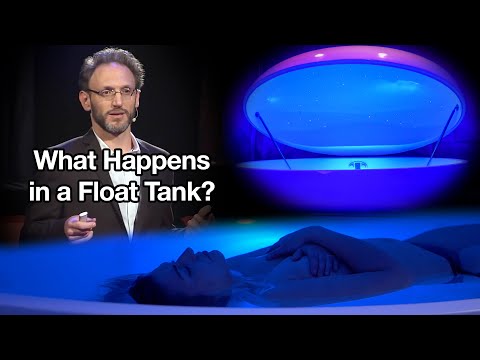
Alright, let’s talk about sensory deprivation tanks, or float tanks, as some people call them. These are dark, soundproof tanks filled with saltwater that allows you to float effortlessly. The idea is to cut off most of your senses: sight, sound, and even the sense of gravity. Sounds a bit crazy, right? But there’s some interesting stuff going on in your brain when you get inside one.
The first thing to note is that when all these external stimuli are taken away, your brain starts to react in some pretty remarkable ways. Some research suggests that after floating for a while, people often report a feeling of deep relaxation and calmness. You know how sometimes life gets overwhelming? Well, this can feel like hitting the reset button.
So what happens in your brain? Here are a few key points:
- Increased Alpha Waves: When you’re floating, your brain may produce more alpha waves. These are associated with relaxation and a meditative state. Imagine just chilling out without all the noise of everyday life.
- Heightened Creativity: Many people say they come up with brilliant ideas while in the tank. This could be linked to the brain entering a different state—some even say it’s like running free without distractions.
- Self-Reflection: Without distractions from the outside world, you might find yourself reflecting on thoughts and feelings more deeply. It’s like an intense brainstorming session with yourself!
- Pain Relief: Some studies show that floating can reduce physical pain and discomfort—a bit like how a warm bath soothes sore muscles but way more effective.
Anecdotally speaking—there’s this guy I know who had chronic back pain from years of sitting at a desk job. He tried out a sensory deprivation tank on a friend’s recommendation. After his session, he felt not just physically lighter but also mentally clearer! He couldn’t believe how much better he felt after just one session.
Researchers have also noted that prolonged exposure to sensory deprivation can lead to heightened perception when you come back into the world of sights and sounds. Imagine stepping out into nature after being in complete darkness; those colors might seem brighter and sounds sharper—it’s like seeing everything for the first time!
The thing is, while many people rave about their experiences in sensory deprivation tanks, everyone reacts differently. Some may feel anxious or claustrophobic at first; it takes time to get used to being completely still and alone with your thoughts.
So if you’re curious about trying one out—or if you’re a bit scared—just know both reactions are totally normal! You might step out feeling zen-like or supercharged with creativity—who knows?
Understanding the Mind’s Mechanisms in Response to Sensory Deprivation
Sensory deprivation is kind of a trippy topic! It’s all about how our brains react when we don’t get the usual sights, sounds, and feels from our environment. You might have seen those sensory deprivation tanks or floating pods where people just chill in warm water with no distractions. Sounds peaceful, right? But it’s more complex than that.
When your senses are cut off, like when you’re floating in one of those tanks, your mind starts to go through some pretty interesting changes. The brain’s mechanisms kick in to adapt to this lack of stimulation. It’s like your brain is used to constant noise and light, so when you take that away, it’s forced to look inward.
You might notice some weird effects. Some people report hallucinations or vivid imagery. That’s because the brain fills in the gaps! It craves stimuli and starts creating its own experiences. If you’ve ever zoned out on a long drive or during a boring meeting, you know how this works; your mind can wander off into totally different places.
Now, what happens next can be pretty different for everyone. Some folks find sensory deprivation super relaxing; they come out feeling rejuvenated and clear-headed. Others might feel anxious or disoriented at first—kinda like jumping into a cold pool! It takes a bit for your body to adjust when everything around you goes quiet.
In terms of psychology, there are a few key points worth mentioning:
- Heightened awareness: Without external distractions, some people become more self-aware.
- Stress reduction: Many report lower stress levels after sessions.
- Altered state of consciousness: For some individuals, it can lead to meditative states or deep contemplation.
And here’s something interesting: our brains are wired to perceive reality based on what they encounter daily. When you remove most stimuli, this perception shifts dramatically. It’s like putting on a new pair of glasses—you start seeing things differently!
It’s also important to note that prolonged sensory deprivation can have negative effects too. People may experience feelings of fear or paranoia if they stay isolated for too long without any sensory input. Remember that time you were stuck alone for ages and started overthinking small stuff? Just amplify that feeling x10!
So yeah—getting into sensory deprivation can be enlightening but also tricky territory depending on how long you’re in there and your mindset going in. There’s definitely more than meets the eye (or ear) with this experience!
You know, sensory deprivation isn’t something most people think about on a daily basis. But when you really break it down, it’s kind of intriguing. Imagine being in a quiet room with no light, no sound, and nothing to touch. It’s like being inside your own mind!
Just recently, I heard about someone who decided to try floating in one of those sensory deprivation tanks. The idea was to just chill out and let go of all the distractions of life. So, they get in this tank filled with saltwater, close the lid, and boom—total darkness and silence envelop them. At first, it seemed a bit weird and almost claustrophobic. But then something unexpected happened.
As they floated there, they started to notice some emotional stuff bubbling up: memories from childhood, unresolved feelings about relationships—basically everything that had been tucked away for ages came popping back up like popcorn in a microwave. For some folks, this can be kinda overwhelming; but for others? It’s cathartic.
What’s fascinating is how our brains respond to such an environment. With all those usual inputs gone—no buzzing phones or chatter—it can lead to heightened awareness or even visualizations you wouldn’t normally experience. Some people report feelings of bliss or peace after their sessions; others may wrestle with anxiety or sadness that comes from confronting those hidden emotions.
It makes you wonder about how much stimulus bounces around our lives all day long and how that affects us mentally. We’re often so bombarded by sights and sounds that we rarely stop to check in with ourselves. And when we do? Wow—it can be quite the rollercoaster ride.
So yeah, sensory deprivation experiences can be intense! They offer a unique perspective on our mental landscape that you don’t just stumble upon while scrolling social media or watching TV. It’s like hitting pause on the world outside and diving deep into what’s inside instead.