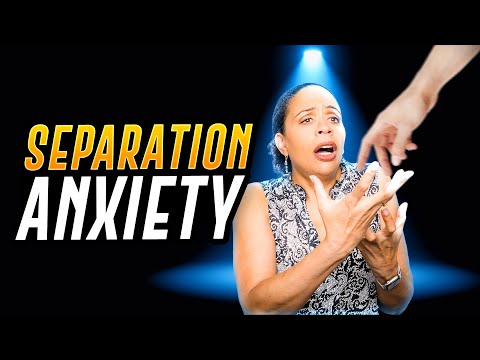
Separation anxiety is one of those things that can hit you hard, you know? Like, one minute you’re fine, and the next, you’re panicking about being away from someone you care about.
It’s not just a kid thing, either. Adults feel it too! Ever felt that knot in your stomach when your partner leaves for a trip? Or maybe you have a friend who dreads even short goodbyes?
This stuff is real, and it can be so tough to handle. It’s totally okay to feel this way. There’s a lot going on emotionally, and getting your head around it isn’t always easy.
So let’s chat about what separation anxiety really looks like, why it happens, and how it can mess with your feelings. Something tells me you’ll relate!
Understanding Separation Anxiety in Adults: Causes, Symptoms, and Coping Strategies
Separation anxiety isn’t just for kids; it can hit adults too. Imagine feeling that tight knot in your stomach when your partner goes on a trip or when you have to leave a close friend after a visit. It’s like the world has shrunk, and the absence of that person feels overwhelming. Let’s break down what’s going on with this emotional struggle.
What Causes Separation Anxiety in Adults?
The roots of separation anxiety can vary between individuals. Sometimes, it can stem from past experiences—like losing a loved one or dealing with a traumatic breakup. Other times, it can be linked to attachment styles developed during childhood. If you grew up feeling insecure in relationships, leaving someone might trigger those old feelings again.
Furthermore, life changes like starting a new job, moving to a different city, or experiencing major changes in relationships can ramp up anxiety levels. You know how certain transitions make everything feel unstable? Well, that feeling is magnified for some folks when they’re separated from important people in their lives.
Symptoms to Watch For
Recognizing separation anxiety isn’t always easy because the symptoms can blend in with everyday stress. Here are some common signs you might experience:
- Intense worry: You could find yourself obsessing over what might happen while you’re apart from someone.
- Physical symptoms: Nausea, headaches, or even heart palpitations might pop up when faced with separation.
- Avoidance behaviors: You may start avoiding situations where separation could happen—like skipping social events.
- Irritability: Feeling cranky or moody? Yeah, that could be linked to separation anxiety.
Sometimes, these feelings get so intense that they interfere with daily life—like work and personal relationships. This can lead to unnecessary strain on connections you really value.
Coping Strategies That Can Help
Dealing with separation anxiety isn’t easy, but there are ways to manage those emotions better:
- Acknowledge your feelings: Just recognizing what you’re feeling is a solid first step.
- Create routines: Establishing check-in times during separations can help ease the worry.
- Practice mindfulness: Techniques like meditation or deep breathing exercises can help calm your mind when anxiety hits.
- Talk about it: Sharing your feelings with someone you trust usually takes some weight off your shoulders.
Each person experiences separation differently; so finding what works for you is key! And remember—it’s okay to seek help if these strategies don’t cut it alone; talking things out with a mental health professional may offer more tools.
In summary, understanding separation anxiety as an adult sheds light on an emotional challenge many face but few discuss openly. It’s all about recognizing the signs and learning how to deal with them effectively while knowing that these feelings are entirely human!
Effective Strategies for Managing Separation Anxiety in Adults
Separation anxiety isn’t just a kid thing; adults can feel it too, especially when you’re facing big life changes. Maybe you just moved to a new city, or perhaps you’re going through a breakup. You know that feeling of unease creeping in when someone important goes away? Yeah, that’s separation anxiety rearing its head.
First off, recognizing the signs is crucial. It can manifest as excessive worry about being apart from a loved one. Imagine staying up all night thinking about what could happen to them while they’re out. Or maybe you find yourself overanalyzing every text message or call, right? These thoughts can be overwhelming and really affect your day-to-day life.
So, how do you manage this emotional rollercoaster? Here are some strategies that might help:
Now, here’s something personal. I once had a friend who experienced intense separation anxiety whenever his girlfriend went on business trips. He’d obsessively check her flight status and send her multiple messages throughout her travels. Once he started practicing mindfulness exercises and communicating his feelings better with her, he found it easier to cope when she was away.
Taking Care of Yourself Matters. Make sure you’re eating well and getting enough sleep during these anxious times. Exercise might also be beneficial since moving your body releases those feel-good hormones—serotonin is like nature’s little pick-me-up!
If things get too heavy, don’t hesitate to seek support from friends or professionals. Everyone needs help sometimes! It’s okay to lean on others rather than trying to navigate this emotional maze alone.
Managing separation anxiety as an adult isn’t always easy—it takes practice and patience with yourself. Remember that healing doesn’t happen overnight; it’s like training for a marathon rather than sprinting through the finish line! So be gentle with yourself as you figure it out little by little.
Understanding Separation Anxiety in Relationships: Causes, Effects, and Solutions
So, let’s talk about separation anxiety in relationships. It might sound a bit clinical, but it’s something many of us can relate to. Ever felt that pit in your stomach when your partner leaves for a trip? Or maybe even when they just step out of the room? That’s basically what separation anxiety looks like in romantic connections.
What Causes Separation Anxiety?
There are a variety of reasons why someone might experience this kind of anxiety. It can stem from past experiences, like childhood trauma or being separated from caregivers. If you were one of those kids who always worried about losing their parents or had a difficult time during family changes, that could set the stage for future relationship fears.
Sometimes, it’s linked to personality traits too. People who have a tendency towards being highly sensitive or who have attachment issues—like needing constant reassurance—might be more prone to feeling anxious when they’re apart from their significant others.
Effects on Relationships
When separation anxiety kicks in, it doesn’t just affect you; it impacts your partner too. You might find yourself constantly texting them or checking in more often than what feels normal. And hey, while that might feel comforting for you, it can feel smothering for them.
You know how some folks react by getting angry when separated? It’s frustrating! They might think you’re overreacting or clingy. Over time, this dynamic can lead to conflict and misunderstandings between partners. Like I once heard from a friend: “Every time he leaves for work, I start imagining all the worst scenarios.”
Also, think about trust issues that could arise. If you’re always worried that your partner doesn’t want to be with you anymore or could leave you at any moment, it’s going to create tension. Trust me; nobody thrives under constant suspicion and fear.
Possible Solutions
So how can we tackle this whole thing? Well, first off communication is key! Openly talking to your partner about how you feel can help ease both sides’ worries. You might say something like: “Hey, I know I get anxious when we’re apart—can we work together on this?” A little understanding goes a long way!
Another option is working on self-soothing techniques. Maybe try deep breathing exercises or mindfulness meditation when those feelings start bubbling up? It’s amazing how these practices can ground you and calm those racing thoughts.
Also consider setting boundaries with time apart! If weekends are tough for you because your partner goes out with friends, maybe suggest hanging out together beforehand so you feel more secure? This way you’ll still have time apart but also get that reassurance.
In the end, it’s all about finding balance. Separation anxiety doesn’t have to define your relationship—you and your partner can work through it together! Just remember: it’s okay to feel what you’re feeling; acknowledging it is the first step toward managing those emotions better.
Separation anxiety can feel pretty overwhelming, right? I mean, we often think of it as something that only kids deal with. Like when they cling to their parents at the school gate or throw a fit when they have to say goodbye. But let’s be real; it doesn’t just vanish as we grow up. Adults can experience it too, in ways that are sometimes more subtle but just as intense.
Think about those moments when you have to leave home or even just go into another room without your partner or best friend nearby. There’s this gnawing feeling in your stomach, like an inner toddler shouting, “Wait! Don’t go!” It might manifest as restlessness or constant texting your loved one to check in. You know what I mean? And all of this can stem from a fear of loss or feeling disconnected.
I remember a friend of mine who was always anxious whenever her boyfriend had to travel for work. It wasn’t just about missing him; it was this deep fear that something might happen while he was away. She’d spend so much time worrying, her mind racing with “What ifs” and worst-case scenarios. Honestly, she felt paralyzed by that anxiety at times.
Emotional struggles like these usually come from our attachment styles—those concepts we might’ve learned about in psychology class but often forget in real life. If you’ve developed an anxious attachment style, for example, the thought of separation can amplify feelings of insecurity and fear of abandonment. It’s like being on a roller coaster where you’re constantly holding on tight because you’re scared of the drop.
The thing is, understanding these emotional struggles doesn’t erase them overnight. But being aware of what you’re going through can really help. It gives you space to breathe and allows for self-compassion instead of spiraling into guilt or shame about your feelings.
Reassuring yourself that it’s okay to feel anxious is super important. Whether it’s talking things out with friends who get it or finding healthy distractions when those feelings bubble up—little steps matter. And hey, recognizing that you’re not alone in these experiences can make a world of difference too! So many people grapple with similar anxieties; you’re definitely not isolated in this emotional tug-of-war.