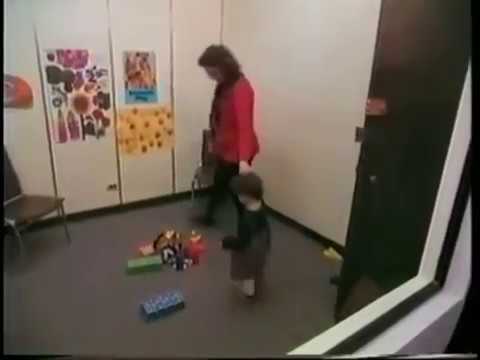
Separation anxiety. Sounds kinda scary, right? But it’s actually super common in young kids. Like, have you ever tried to leave your little one at daycare? The tears, the clinginess—it’s like they’re auditioning for a drama show!
It’s tough to watch. You start questioning everything. «Am I doing this right?» Well, you’re not alone! Lots of parents go through it. It’s just part of growing up, in a way.
Kids feel all these big emotions when you leave them. It’s not just about missing you; it’s about figuring out their world without their favorite person around—yep, that’s you!
Let’s chat about what’s going on in those tiny minds and how we can help ease their fears without pulling our hair out in the process!
Effective Strategies for Treating Separation Anxiety in Children
Separation anxiety in children can be tough, both for them and their parents. It’s that feeling of intense worry or fear when they have to part ways with a parent or caregiver. It’s totally normal, especially for younger kids, but there are some effective strategies you can try to ease this anxiety.
1. Create a Consistent Routine
Kids love predictability. Establishing a structured routine can help. For instance, if your child knows that after breakfast it’s time to get dressed and head out for the day, they’ll feel more secure about what comes next. Routines give them that sense of control and safety.
2. Short Goodbyes
Long goodbyes can ramp up the anxiety even more! Instead, practice quick and confident farewells. Try saying something like, “I’ll see you after nap time!” It’s like giving them a little boost of confidence while reassuring them you’ll be back.
3. Practice Separation
It might sound counterintuitive, but letting your child experience short separations can build their confidence over time. Start small—maybe leave them with a trusted family member or friend for just half an hour. Gradually increase that time as they become more comfortable.
4. Use Transitional Objects
Giving your child a special item—like a small toy or picture of you—can provide comfort when you’re not around. It’s kind of like having a little piece of you with them when they need it most.
5. Acknowledge Their Feelings
Sometimes all kids need is to be heard! Acknowledge their emotions without dismissing them: “I understand you miss me when I leave.” This validates their feelings and shows you’re there for support.
6. Set Up Play Dates
Engaging in social interactions can lessen anxiety about separation by building friendships outside the home environment. Playdates with peers help children practice being away from parents in a fun setting while developing important social skills.
7. Leverage Storytelling
Books about separation anxiety or stories where characters face similar challenges can not only entertain but also teach resilience in dealing with separation issues by showing that it’s something others experience too!
So yeah, tackling separation anxiety isn’t always easy, but being patient and consistent really helps! The goal is to create an environment where your child feels secure enough to explore the world around them while knowing you’ll always come back when they need you most.
Understanding Child Separation Anxiety in 7-Year-Olds: Causes, Symptoms, and Strategies for Parents
Separation anxiety in kids, especially around the age of 7, can be a real challenge for both them and their parents. You know that moment when your little one clings to your leg as you try to leave for work or school? That’s separation anxiety at play. It’s pretty normal but understanding what’s behind it can help a lot.
Causes of separation anxiety can vary a bunch. Sometimes, it’s just part of growing up, but other factors might be at play too. For example:
- Life changes: Moving to a new house, getting a new sibling, or any big change in routine can kick-start those anxious feelings.
- Previous experiences: If they’ve had negative experiences with separation before—like a scary babysitter or getting lost—those memories might linger.
- Temperament: Some kids are naturally more anxious than others. If they tend to worry about things easily, they might have more trouble with being apart.
So when you notice signs of this anxiety, like crying when you leave or complaining of stomachaches before school, it’s really just their way of expressing unease. The good news is that there are ways you can help ease their minds.
Now let’s talk about some common symptoms. These behaviors might pop up if your child is struggling with separation anxiety:
- Crying or tantrums: They might throw a fit at drop-off times.
- Physical complaints: Complaints about headaches or stomachaches that seem to come out of nowhere.
- Avoidance: They may try to avoid situations where they have to separate from you at all costs.
Recognizing these symptoms is key because it signals that they need some extra support.
Alright, now onto the part where we talk about what you can do as a parent. Here are some strategies that could make things smoother:
- Create a goodbye ritual: Establishing a short and sweet routine when saying goodbye can provide comfort. Maybe a special wave or secret handshake?
- Practice separation: Start with brief separations and gradually increase the time apart. This gives them practice and confidence in being away from you.
- Acknowledge feelings: Let them know it’s okay to feel sad or scared. Validate those emotions; it makes them feel understood.
Sometimes parents go through this weird tug-of-war feeling—wanting their kids to be independent but also wanting to soothe their worries.
You remember when I told you about my friend Sarah? Her son Sam would cry every day on his way into kindergarten. She started using little techniques like packing a small note in his backpack that said she loved him and would miss him while he was gone. Over time, he looked forward to finding those notes!
This kind of approach helps children build resilience while also feeling secure in your love even while you’re apart.
In summary, recognizing the causes and symptoms of separation anxiety is crucial for tackling it head-on as parents. You may face challenges together, but implementing small yet effective strategies will bring comfort over time! Your understanding goes such a long way in helping your child navigate through this emotional territory smoothly.
Effective Strategies for Supporting Children with Separation Anxiety in School
Separation anxiety in kids, especially at school, can be tough. You might notice that your child clings to you, cries when you drop them off, or even refuses to go. It’s important to approach this with empathy and understanding. Here’s the deal: kids need to feel safe and secure when they’re stepping into a new environment.
First off, consistency is key. Try to establish a predictable routine. For example, if you have a specific goodbye ritual—like a hug or a special handshake—stick with it. Kids thrive on predictability; it gives them a sense of control amidst the chaos of change.
Another thing? Practice separation at home. Start small! Maybe leave your child with a trusted friend or family member for short periods. Gradually increase the time apart. This way, they’ll learn that being away from you isn’t forever and that they can handle it.
Validate their feelings. If your child is feeling anxious, don’t brush it off like it’s no big deal. Instead, listen to what they’re saying. Say things like “I understand you’re feeling scared,” or “It’s okay to miss me.” Kids need to know their feelings are real and acknowledged.
Creating a comfortable school environment also helps. Talk with their teachers ahead of time about what your child needs for support. Sometimes just knowing there’s an adult who understands can make all the difference.
Now let’s not forget about positive reinforcement! Praise your child for efforts, even the small ones! If they manage to stay in class for even five extra minutes without crying, celebrate that win! It builds their confidence.
Encouraging friendships can also ease anxiety. Help them connect with classmates or set up playdates outside of school. Having friends around gives them something else to focus on during those first tricky days.
Lastly, keep an eye on your own emotional state too! Kids are like little sponges—they soak up our feelings. If you seem calm and confident during drop-offs, they’re more likely to mirror that energy.
So yeah, supporting children with separation anxiety at school is all about patience and support. With love and understanding, they’ll find their footing and come through stronger on the other side!
Separation anxiety is one of those things that hits you right in the feels, right? Picture this: a little kid at daycare, clinging to their parent’s leg, tears welling up in their big eyes as if they’re facing the end of the world. You can almost hear them think, “What if I never see you again?” It’s like their tiny minds are creating these huge dramas that seem wildly disproportionate to the situation.
But here’s the thing: separation anxiety is totally normal in young children and part of how they develop. It often starts around six months and can hang out until they’re about three or four years old. Basically, kids are just trying to figure out how to navigate this big, unfamiliar world without their main source of comfort right next to them.
You see, as children grow older, they start realizing that mom or dad isn’t just going poof into thin air every time they leave. But until then? Well, some kids might really struggle with it. They think that if their parent leaves for even a minute, something awful might happen or that they won’t come back.
So how do you help a little one deal with this? First off, it’s super important to validate those feelings instead of brushing them off like it’s no big deal. You can say things like “I know you miss me when I’m away,” which helps them feel understood rather than dismissed. Then there’s establishing a goodbye routine—something simple yet consistent that signals it’s time for your departure while providing reassurance.
And you know what else? Sometimes distraction works wonders! Engaging your kid with fun activities as you prepare to leave can redirect their focus and ease some of that anxiety bubbling up inside.
One thing I’ve noticed is that keeping an open line of communication helps a ton too! Asking them about their day when you reunite or talking about what they did during your time apart makes separation feel less scary over time.
At the end of the day, patience plays a massive role too. Just like everything else in parenting, every child is different; some might bounce back quickly while others take a bit longer to adjust. So just remember—you’re not alone in this crazy journey!