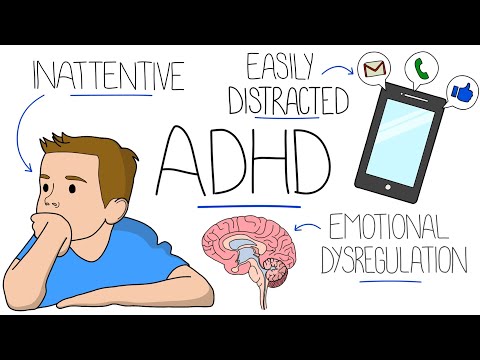
You know when you’re trying to focus on something important but your mind just keeps wandering off? Like, one minute you’re on task, and the next—boom!—you’re daydreaming about that pizza you had last week. Seriously, it’s frustrating!
Well, for some people, it goes beyond the occasional distraction. Severe ADD symptoms can really mess with daily life. Imagine struggling to keep track of things or feeling overwhelmed by everything around you. It’s tough, right?
In this chat, we’ll take a closer look at what those intense symptoms can look like and how they can affect someone’s life. Plus, we’ll touch on ways to deal with them a bit better. Sound good? Let’s get into it!
Understanding the 10-3 Rule for ADHD: Key Insights and Implications for Management
The 10-3 Rule for ADHD can feel a bit like unraveling a puzzle. In simple terms, it’s about understanding how to manage time and tasks when you’re dealing with ADHD symptoms. Basically, the rule suggests that for every 10 minutes of focus, a person with ADHD may need about 3 minutes of break. It’s like giving your brain small intervals to recharge.
So, picture this: you’re trying to concentrate on an assignment. You dive in for 10 minutes, nails your task, but then your mind starts wandering, right? That’s where the 3-minute break comes in handy. It lets you reset before jumping back into focus mode.
Here are some key insights about this rule:
- Focus duration is short: With ADHD, sustaining attention can be tough. That’s why limiting intense focus sessions to around 10 minutes works better.
- Importance of breaks: Those 3-minute breaks are crucial for refocusing your mind. Rather than forcing yourself to push through fatigue or distraction, taking quick breaks helps maintain productivity.
- Flexibility is key: Everyone’s different! Some people might need even shorter sessions or longer breaks. Adjust based on what feels right for you.
- Use timers: Setting a timer can help remind you when it’s time to take a break or get back to work.
- Avoid overstimulation: During those breaks, try to choose calming activities that won’t overload your senses further, like stretching or deep breathing.
Now let’s talk implications for management. Understanding this rule gives individuals tools to manage their attention more effectively. For example, if you’re working on studying and hit that wall of distraction after 10 minutes, take that breather! Grab some water or step outside for fresh air.
Also, communicating about this with family or teammates matters a lot! Let them know when you’ll be focused and when you’ll need a moment off. Having their support can really help optimize those intervals.
And here’s a little personal story: I once knew someone who struggled with concentrating during lectures because they’d zone out after just a few minutes. They learned the hard way that attempting to sit still through an entire class wasn’t effective at all! After figuring out the 10-3 Rule and applying it with quick notes during those focused intervals? Total game changer! They felt much more engaged and remembered way more information.
In summary, understanding the 10-3 Rule helps not only manage ADHD symptoms but also enhances productivity by creating structured yet flexible environments that fit individual needs! So if you’re navigating this journey—like lots of folks do—remember it’s all about finding what works best for you and tweaking as you go along!
Understanding the Quiet Type of ADHD: Symptoms, Diagnosis, and Impact
Quiet ADHD, sometimes referred to as inattentive type ADHD, can be a bit tricky to spot. Unlike the more traditional hyperactive forms, where the signs are pretty loud and clear, this version flies under the radar. So, what does that even mean? Let’s break it down.
First off, symptoms of quiet ADHD often manifest in ways that might not immediately scream “attention issues.” Instead of bouncing off the walls or interrupting others constantly, people with this type might seem:
- Spacey: They might have a distant look in their eyes during conversations or lectures.
- Easily Distracted: A flicker of movement or a random sound can steal their attention completely.
- Forgetful: Misplacing items or forgetting plans is pretty common.
- Difficulties with Organization: Their room or workspace might look chaotic, but they can tell you exactly where things are—somehow!
- Lacking Focus on Tasks: They may start projects with enthusiasm but lose interest quickly and jump to something else.
A friend of mine, let’s call him Matt, always seemed to be daydreaming during our high school classes. He’d zone out while teachers were lecturing but knew all about the latest video game releases. Turns out he had quiet ADHD—no one really noticed until he got older and started struggling with college assignments.
Now onto diagnosis. Noticing quiet ADHD isn’t as straightforward as it seems. Since those with this type don’t always display hyperactive behaviors, they often fly under the radar for years. Diagnosis usually involves:
- A thorough evaluation by a healthcare professional who looks at your history and current challenges.
- A series of questionnaires or standardized tests that help assess attention spans and behavioral patterns.
- An observation period where the clinician might want to see firsthand how someone functions in everyday situations.
If you’re lucky enough to have a supportive network around you—family, friends, teachers—they can often provide valuable insights when discussing symptoms with professionals. It’s like having your own personal cheerleading squad looking out for you!
The impact? Well, it can be substantial. Those dealing with quiet ADHD often face academic challenges due to their struggles with focus and organization. This can lead to a few frustrating scenarios:
- Poor performance in school or work despite having great potential.
- A feeling of being misunderstood by peers who may think they’re lazy or unmotivated.
- A tendency toward low self-esteem due to repeated frustrations in meeting expectations.
You see? Quiet ADHD is less about chaos and more about an inner struggle that often goes unnoticed by those around you. Understanding these symptoms is crucial—it helps get people like Matt the support they need without feeling stigmatized or overlooked. So if anything resonates here for you or someone you know, encouraging them (or yourself) to seek help could change everything!
Understanding the 24-Hour Rule for ADHD: Key Insights and Implications
The 24-hour rule is a pretty interesting concept, particularly for those dealing with ADHD. It basically suggests that when something big happens, like a frustrating situation or a mistake you made, you should wait at least 24 hours before reacting. This can be super helpful for folks with ADHD who often feel emotions intensely and might act impulsively.
What’s the idea behind it? The main goal here is to give yourself some time to cool off and think things through. For someone with ADHD, emotions can run high, making it easy to say or do something in the heat of the moment. By allowing 24 hours, you create a space for reflection.
Here’s how it works:
- Immediate Reaction: Let’s say you get into an argument with a friend. Your immediate response might be anger or frustration.
- Pause: Instead of firing off a text or confronting them right away, take a breath and step back.
- Reflection: After some time passes—like the next day—you can approach the situation more calmly and thoughtfully.
This doesn’t mean ignoring your feelings! It means processing them first so your response is more measured. You know how sometimes we react before really thinking about what’s going on? This rule helps slow that down.
The Brain Connection: ADHD is often linked to issues with impulse control and emotional regulation. Your brain might be firing on all cylinders but not necessarily in ways that help you make thoughtful decisions all the time. Giving yourself that 24-hour window allows your brain’s prefrontal cortex—the part involved in planning and decision-making—to catch up.
Now, I remember when my friend Sam got really upset about missing an important deadline at work. He instantly sent an email blasting his boss about “unfair treatment” but later regretted it after having a night to think it over. The next morning, he apologized and explained his feelings much better without sounding like he’d lost his cool entirely.
Practical Implications: This 24-hour rule isn’t just beneficial personally; it can also help in professional settings and relationships:
- Better Communication: By taking time to formulate responses, you’re less likely to create unnecessary drama.
- Improved Relationships: Friends and family appreciate you being more composed rather than reactive all the time.
- Work Performance: Colleagues will recognize your calmness even under pressure, which can enhance teamwork.
It’s all about creating space between stimulus and response—taming that impulsivity often linked with ADHD symptoms. However, remember this isn’t a one-size-fits-all solution; different people have different coping strategies.
So if you’re navigating life with ADHD—or know someone who is—the 24-hour rule could be worth considering as a practical way to manage intense emotions and improve interactions in daily life!
So, let’s talk about ADD, or Attention Deficit Disorder, especially the severe kind. It can be really tough for those who deal with it—and honestly, for their loved ones too. You know how sometimes it feels like your brain is constantly buzzing? Like trying to tune into a radio station but the reception is all fuzzy? That’s what ADD can feel like.
Imagine being in school and your mind is racing everywhere but where you need it to be. You might have this amazing idea pop in your head mid-lecture, and instead of taking notes, you’re doodling about some epic story brewing in your mind. And then, boom! You realize you missed half of what the teacher just said. That kind of stuff happens all the time with severe ADD.
It’s not just a matter of being easily distracted; it can create chaos in daily life. Forgetting appointments, losing stuff constantly, or struggling to complete even simple tasks can really pile on stress. I remember a friend who would shy away from group projects because they felt overwhelmed by keeping track of everyone’s input and deadlines. It wasn’t that they didn’t want to participate; it was just… exhausting to keep everything organized in their heads.
Now here’s the thing: recognizing these symptoms isn’t always straightforward. Some folks might brush it off as laziness or lack of willpower when really it’s something deeper at play. Society often places a lot of pressure on being productive and “on the ball,” which simply doesn’t gel with how people with severe ADD operate.
Addressing these symptoms often requires a multi-faceted approach—looking beyond just medication alone. Sure, some people find that helpful, but combining therapy techniques like cognitive behavioral strategies can really make a difference too. It’s about creating systems that work for you; think reminders on your phone or breaking tasks into smaller chunks so they don’t feel overwhelming.
And remember that support from family and friends? Super crucial! Sometimes just having someone who gets it can lighten the load considerably.
So if you or someone close to you is dealing with this sort of thing, be open to exploring different ways to manage it together—plenty of strategies out there! It’s all about finding what helps navigate through that buzzing brain so life feels more manageable again.