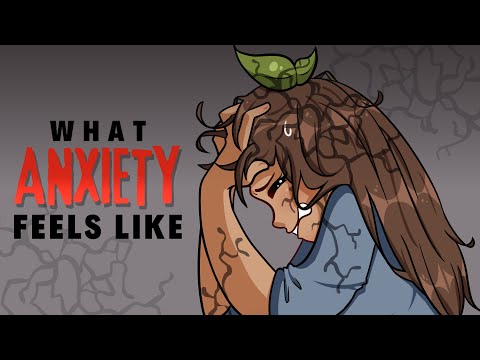
Anxiety can sneak up on you, like that annoying friend who shows up uninvited. Seriously, it’s wild how it can turn your thoughts into this whirlwind of worry.
You might be thinking, “Am I anxious or is this just regular stress?” Well, sometimes it’s tough to tell. The signs aren’t always obvious. They can hide in plain sight.
But when anxiety gets severe? Oh boy, that’s a whole other ballgame. It messes with your mind and your body in ways that can feel overwhelming.
So let’s chat about what to look for. Recognizing those signs might just help you or someone you care about take the first steps toward feeling better.
Understanding the Uncommon Physical Symptoms of Anxiety: What You Should Know
Anxiety is a tricky beast. When you think of anxiety, you might picture racing thoughts or worry, but it can also show up in some pretty unexpected ways. You know, like those physical symptoms that seem to pop out of nowhere? Let’s break down some of these uncommon signs so you can recognize if you or someone else is struggling.
Physical Symptoms That Might Surprise You
When anxiety hits, it doesn’t just mess with your mind; your body gets in on the action too. Some people might experience symptoms that seem totally unrelated to stress or worry. Here’s a closer look:
- Gastrointestinal Issues: Ever felt butterflies in your stomach during a stressful time? For some folks, anxiety can lead to more severe symptoms like nausea, diarrhea, or even irritable bowel syndrome (IBS). It’s wild how your gut reacts to feelings!
- Tightness in the Chest: This one can be alarming. A lot of people mistake this for heart issues because it feels so intense. It’s actually a common reaction when anxiety kicks in—your body goes into fight-or-flight mode.
- Chronic Pain: Believe it or not, constant headaches or muscle pain can crop up thanks to anxiety. Your muscles may tense up more than usual when you’re stressed out. It’s like your body’s way of holding on to tension.
- Numbness and Tingling: Sometimes anxiety causes sensations like tingling fingers or numbness in parts of the body. It’s related to hyperventilation—you breathe too quickly and throw off your oxygen levels.
- Persistent Fatigue: If you’re feeling drained all the time without much reason, this could be linked back to high levels of anxiety. Your brain and body are working overtime just dealing with stress!
Your Emotional Health Matters
You might be thinking: «Okay, but these sound pretty serious.» And they can be! What’s important is knowing that physical symptoms don’t always mean something’s physically wrong—sometimes it’s all about what’s happening in your mind.
For instance, let’s say you’re gearing up for a big presentation at work—maybe you can’t eat because you feel nauseous. Or perhaps you notice a tightness in your chest every time you prepare for social events? These aren’t just random; they’re tied directly to what you’re feeling inside.
Recognizing Severe Anxiety
So how do we tell when these symptoms are part of something deeper? Look out for patterns. If these physical reactions happen frequently or interfere with daily life (like keeping you from going out), it could signal that things need addressing.
And remember: You don’t have to go through this alone! It’s totally okay to reach out and talk about what you’re experiencing — whether it’s with friends or professionals who understand.
In summary, anxiety isn’t just about mental turmoil—it often brings along some pesky physical companions too. Keep an eye out for those signs! Knowing what they are means taking one step closer toward managing them better.
Understanding Anxiety Attack Symptoms: Key Signs and Management Strategies
An anxiety attack, or panic attack as it’s sometimes called, can feel like a whirlwind. One minute you’re fine, and the next you’re hit with overwhelming fear, racing thoughts, and some pretty intense physical sensations. Understanding those symptoms can really help you or someone you know navigate through those tough moments.
First off, let’s talk about the symptoms you might experience during an anxiety attack. It’s not just in your head; your body reacts too. Here’s what to look out for:
- Sudden feelings of **fear** or **impending doom**
- A rapid heartbeat that feels like it could jump out of your chest
- Shortness of breath—like trying to catch up after running a marathon
- Chest pain that can easily freak you out
- Feeling dizzy or lightheaded; it’s disorienting!
- Trembling or shaking—your body almost feels like it’s buzzing
- Nausea that makes your stomach twist in knots
- Sweating even if you’re not in a hot room
- Chills or hot flashes that come out of nowhere
- A feeling of detachment from reality—almost like you’re watching yourself from outside your body
You might relate to these symptoms if you’ve ever felt an unexpected wave of panic while sitting at home or even when you’re out with friends. A friend once told me about her first anxiety attack; she was just chilling on her couch watching TV one moment, then suddenly felt like she couldn’t breathe and her heart was racing. It was super scary for her and completely caught her off guard.
Now, let’s move on to managing those attacks when they happen. It’s all about finding what works best for you since everyone is different. Here are some strategies:
- Grounding Techniques: Focus on your surroundings by naming things around you or feeling textures to bring yourself back to reality.
- Controlled Breathing: Inhale deeply through your nose for four counts, hold it for four counts, and exhale slowly through your mouth for six counts.
- Tension Release: Squeeze and release fistfuls of air or tense up different muscle groups while breathing deeply.
- Meditation: Find a quiet place and spend a few minutes focusing on calming thoughts.
Remember, knowing these management techniques doesn’t always make the issue disappear instantly but having them at hand can help calm the storm inside when everything feels overwhelming.
In daily life, try to incorporate activities that help reduce overall anxiety levels too—like exercising regularly or practicing mindfulness. These may not keep anxiety attacks at bay completely but can make them less frequent over time.
So basically? Recognizing those symptoms is crucial—instead of being thrown into confusion during an attack, being prepared with management strategies gives you back a bit of control. You’re not alone in this fight; many people experience similar feelings, and understanding them is the first step towards managing anxiety better!
Understanding the 11 Types of Anxiety Disorders: Symptoms, Causes, and Treatments
Hey, let’s chat about anxiety disorders. There are actually **11 types**, each with its own quirks, symptoms, and causes. So, if you or someone you know seems a bit overwhelmed by anxiety, knowing the differences can really help.
1. Generalized Anxiety Disorder (GAD)
This is like having a constant worry cloud that follows you everywhere. You might stress about work, health, or even stuff that doesn’t usually bug people. Symptoms include restlessness, fatigue, and trouble concentrating.
2. Panic Disorder
Imagine suddenly feeling like you’re losing control with no apparent reason. That’s a panic attack! It can hit out of the blue and usually brings on heart palpitations and shortness of breath. People often fear the next attack, which can limit their lives.
3. Social Anxiety Disorder
Think of it as extreme shyness or fear of judgment in social situations. People might avoid gatherings or feel super uncomfortable when they have to speak up or meet new folks.
4. Specific Phobias
Ever seen someone freak out over spiders? Phobias are intense fears of specific things—like heights or enclosed spaces—that can lead to panic-like feelings when faced with the source of fear.
5. Agoraphobia
This one’s tricky because it often connects with panic disorder! It involves avoiding places where escape might be hard if a panic attack happens—like crowded areas or public transport.
6. Separation Anxiety Disorder
You see this mostly in kids but adults can have it too! It’s that excessive worry about being away from loved ones—like having nightmares about them being hurt while you’re apart.
7. Selective Mutism
Common in kids who can talk comfortably at home but freeze up in public settings—like school or family gatherings—the pressure just literally makes their voice vanish!
8. Substance/Medication-Induced Anxiety Disorder
Some substances can trigger anxiety—a classic case is when someone gets super anxious after caffeine or while withdrawing from certain drugs.
9. Anxiety Disorder Due to Another Medical Condition
Certain health problems—not just mental ones—can cause anxiety symptoms too! Think about thyroid issues or chronic illnesses that mess with your mind and body balance.
10. Obsessive-Compulsive Disorder (OCD)
People with OCD deal with intrusive thoughts (obsessions) that make them feel anxious until they perform certain actions (compulsions). Like washing hands repeatedly to ease worries about germs—it gets heavy!
11. Post-Traumatic Stress Disorder (PTSD)
After experiencing trauma, people might relive their experiences through flashbacks and nightmares while battling heightened anxiety when reminded of the event.
Now let’s talk about Treatments. What’s available? Well:
- Cognitive Behavioral Therapy (CBT): This helps change negative thought patterns.
- Meditation and mindfulness:: Great for calming the mind.
- A medication:: Sometimes prescribed for severe cases.
- Lifestyle changes:: Regular exercise and proper sleep are key!
Learning about these disorders helps you recognize signs of severe anxiety better: like if someone around you seems constantly on edge or avoids situations they once enjoyed, it could mean something deeper’s going on.
So remember not to judge too quickly; understanding these complexities gives insight into how folks experience life differently—and who knows? Maybe just knowing more will help someone find their way through anxiety’s winding paths!
You know, anxiety can be a sneaky little monster. It often starts small, like that annoying fly buzzing around your head when you’re trying to focus. But then it can grow into something much more overwhelming, making you feel trapped in your own mind.
I remember a friend of mine, let’s call her Emma. She was always the life of the party, full of energy and laughter. But one day, I noticed she started canceling plans and seemed more jittery. At first, I thought she was just busy or maybe going through a phase. But then I realized that her anxiousness was affecting her daily life—she couldn’t even sit still during lunch without fidgeting or constantly checking her phone.
Recognizing the signs of severe anxiety is really important, especially when it begins to take over someone’s life. If you notice things like constant worry about everyday tasks or feeling on edge all the time, those could be red flags. Like Emma, some people might find it hard to concentrate or even just relax without feeling their heart racing.
There are also physical symptoms to watch out for—think muscle tension or a racing heart that doesn’t seem to make sense given the situation. It’s like your body is preparing for a big fight when you’re just sitting in class or hanging out at home. Not fun at all!
Some folks may even experience panic attacks—those moments where everything feels too intense and overwhelming. You might feel dizzy, short of breath, or as if you’re losing control. It’s definitely not easy for anyone going through that!
Understanding these signs not only helps identify what someone might be dealing with but can also encourage them to seek help if they need it. And honestly? Just knowing someone cares can make all the difference in the world.
So next time you catch yourself feeling anxious—or if one of your friends is acting differently—take a moment to think about what they might be experiencing beneath the surface. Being aware of these signs can really help you support each other better through those tough times!