Have you ever found yourself stuck in a dark place, feeling like there’s no way out?
Yeah, it’s like a heavy blanket you just can’t shake off.
Severe major depression isn’t just feeling sad; it’s like your mind is playing tricks on you, pulling you deeper into that pit.
You’re not alone in this struggle.
Many people wrestle with it, often feeling lost and misunderstood.
But hey, understanding what’s happening can be the first step to finding some light again.
Let’s chat about the real deal behind severe major depression—what it feels like and why it matters to talk about it.
You in?
Effective Strategies for Supporting Someone Through Deep Depression: A Comprehensive Guide
Supporting someone who’s dealing with deep depression can feel overwhelming. It’s tough to watch someone you care about struggle, and you might find yourself asking how to help without sounding patronizing or intrusive. So, let’s break this whole thing down into some straightforward ideas that could really make a difference.
Be There
Sometimes, just being present is powerful. You don’t have to say anything profound—your friend might not even want to talk. Just sitting together in silence or doing something together can be soothing. Remember that it’s okay if you don’t have the right words to say at that moment.
Listen Actively
If they do decide to open up, listen. Really listen, you know? Ask open-ended questions but avoid jumping in with solutions right away. Acknowledge their feelings by saying things like, “That sounds really tough” or “I can’t imagine how hard that must be.” It shows you respect their experience.
Check-In Regularly
Making a habit out of checking in can help them feel less alone. Whether it’s a text or a call, just saying «Hey, I’m thinking of you» lets them know you’re there for them. This simple act can remind them they’re not forgotten or isolated.
Encourage Professional Help
Gently suggest seeking professional help if they haven’t already. It’s important for them to talk to someone trained who can offer guidance tailored for their situation. You could say something like, “Have you thought about talking to someone? It might really help.”
Avoid Clichés
Phrases like “just think positive” or “it could be worse” may seem helpful but often come off as dismissive. Instead of saying these things, simply acknowledge their pain and validate their feelings by affirming that it’s okay to feel this way.
Offer Practical Support
Depression can make daily tasks feel monumental. Offer specific help—like running errands or cooking a meal—instead of just saying “let me know if you need anything.” Sometimes people just don’t have the energy to reach out for help, so being proactive is key.
Create a Safe Space
Make sure your friend knows it’s safe to express whatever emotions arise without fear of judgment or pressure to improve quickly. They should feel free to share those difficult moments without worrying about burdening others.
Pace Yourself
Supporting someone through severe major depression takes emotional energy from you too. Don’t forget about self-care! Check in with yourself regularly and take breaks when needed so you stay emotionally healthy while helping your friend.
So basically, showing support during deep depression involves being there and listening more than anything else. Although it might not seem like much at times, sometimes your presence means the world more than any grand gesture ever could!
Exploring Effective Psychological Strategies for Managing Depression
Depression can feel like a heavy fog that just won’t lift. You wake up, and everything feels dull or overwhelming. But there are ways to manage this condition that can make the days a little brighter.
Understanding Your Feelings is crucial. When you’re deep in it, acknowledging your feelings is the first step. It’s okay to feel sad, frustrated, or confused about your emotions. You’re not alone in this, even if it feels like it sometimes!
Building a Routine is super helpful too. Having a daily schedule can add structure to chaotic thoughts and feelings. Start small: maybe just getting out of bed at the same time each day. That simple act can set a positive tone.
Connecting with Others shouldn’t be underestimated. Reach out to friends or family members for support; sometimes just talking about what you’re going through helps lighten the load. Maybe you could share a meal or watch a movie together—something that reminds you of fun times!
Consider Physical Activity, even if it’s just going for a short walk every day. Exercise releases endorphins, those nice little chemicals that boost your mood! And hey, if walking feels too much some days, even stretching counts.
Sometimes Journaling can be your best friend too. Writing down your thoughts can help clarify what you’re experiencing and release pent-up emotions. Even jotting down three things you’re grateful for each day might shift your focus from darkness to light—even if they seem small.
Meditation and Mindfulness are worth exploring as well. These practices train your brain to stay present instead of getting lost in negative thoughts about the past or future. Just taking five minutes to breathe deeply can ground you when anxiety spikes.
And then there’s Professional Support. There’s absolutely no shame in seeking help from therapists or counselors who understand depression deeply—they’ve literally studied this stuff! Cognitive-behavioral therapy (CBT) has shown great results in helping people reframe negative thoughts into more balanced ones.
Let’s not forget about Adequate Sleep. Lack of sleep can really fuel depression; it’s like throwing another blanket on that fog! Aim for regular sleep patterns as much as possible—like winding down before bed without screens—that might do wonders for how you feel.
Lastly, remember it’s okay to have bad days; they’re part of the journey. Recognizing this helps because healing isn’t linear—it’s full of ups and downs. If today seems darker than yesterday, tomorrow can still shine bright—I promise!
In short: confronting depression takes time but utilizing these strategies might ease your path forward a bit more easily—so take it one step at a time!
Understanding the Deepest Levels of Depression: Insights and Implications
Depression can feel like a heavy fog that just won’t lift, right? When it gets into the deep end, known as **severe major depression**, it can seriously mess with your mind and emotions. It’s not just feeling sad for a couple of days. Nope, we’re talking about a condition that can grip people for weeks, months, or even longer.
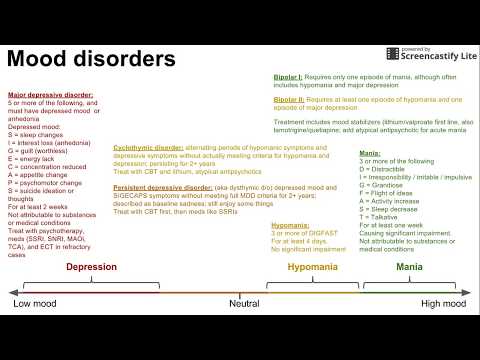
First off, let’s break down what severe major depression really means. It’s not just about being unhappy; it impacts your daily life, relationships, and even your physical health. Here’s what some of those depths might look like:
- Persistent Sadness: You might feel an overwhelming sense of despair that doesn’t seem to go away.
- Lack of Interest: Activities you used to enjoy suddenly lose their charm. Remember that hobby you loved? Yeah, it might feel pointless now.
- Fatigue: Even the simplest tasks can seem exhausting. Getting out of bed feels like climbing a mountain.
- Cognitive Difficulties: Forgetfulness or trouble focusing—ever been in a conversation and felt totally zoned out?
- Physical Symptoms: Sometimes it’s headaches or stomachaches that have no clear medical cause. Your body is definitely in on this struggle too.
And here’s the kicker: severe major depression often leads to feelings of worthlessness and guilt. You could start thinking things like, «Why can’t I just get it together?» That inner critic can be brutal!
Now let’s think about some possible causes for all this heaviness:
- Genetics: If there’s a family history of depression or other mental health issues, you may be more susceptible.
- Biosocial Model: This suggests it’s not just biological; social factors (like stress or trauma) play huge roles too!
- Chemical Imbalances: Neurotransmitters in your brain—think serotonin and dopamine—may not be working as they should.
Dealing with severe major depression isn’t just about “cheering up.” It’s complex! People often feel isolated and think nobody understands their struggle. You’re not alone in feeling this way!
So what about treatment? Well, there are options out there:
- Therapy: Talking to someone who gets it really helps. Cognitive Behavioral Therapy (CBT) is one effective method—it helps change the negative thought patterns fueling the depression.
- Meds: Antidepressants can sometimes play an important role in getting things back on track by helping balance those neurotransmitters we mentioned earlier.
- Lifestyle Changes: Exercise, nutrition, and sleep; these aren’t quick fixes but they do matter! Like seriously, even taking a short walk can lift your mood slightly.
It’s crucial to understand that everyone’s experience with severe major depression looks different. Some days will be worse than others—you might have moments where everything feels hopeless or overwhelming.
Sometimes sharing your story with someone who really listens can lighten that load—you know how comforting it is when someone truly gets what you’re going through? That connection can make all the difference.
So remember: understanding the depths of severe major depression involves recognizing its complexity and how deeply intertwined feelings are with thoughts and behaviors. You’re navigating through something significant; always keep hope alive!
Confronting severe major depression is like wandering into a foggy forest where everything feels so distant and heavy. You can imagine how tough it must be when emotions feel as flat as a pancake, and getting out of bed feels like climbing a mountain, right?
People often think depression is just feeling sad. But oh man, it’s a whole different ballgame. It’s that crushing weight you can’t shake off, the constant fatigue, and sometimes that gnawing emptiness. Imagine waking up every day with an invisible backpack filled with rocks—just exhausting. I remember a friend who went through this. She used to love painting and exploring new places. One day she told me that even her favorite colors seemed dull and lifeless. It was heartbreaking to see someone so vibrant fade into this grayness.
You see, in psychology, we try to dig deep into these feelings to understand what’s happening inside our minds when we’re faced with such profound sadness. It’s not about blaming anyone or anything; it’s more like being detectives in our own heads. Researchers have found links between genetics, brain chemistry, and environmental factors that all play roles in major depression. That said, many people find solace in tiny moments of joy—even if they’re brief.
Still, confronting this darkness is often filled with stigma and misunderstanding. People might say things like “just snap out of it,” which can make things worse rather than better. Acknowledging that severe depression isn’t just a mood swing but rather a serious mental health issue is crucial because you can’t just wish it away.
So, when we talk about facing the depths of major depression in psychology—and life in general—we’re really looking at understanding ourselves better. It’s about finding ways to navigate the fog without judgment or shame because everyone’s journey through the wilderness looks different! Reaching out for help isn’t a weakness; it’s part of the strength you need to keep going amidst it all.
At the end of the day, facing these depths can lead to discovering resilience you didn’t even know you had hidden inside you! And who knows? You might reconnect with bits of yourself along the way—like my friend did when she finally picked up her paintbrush again after finding small reasons to smile, one tiny stroke at a time.