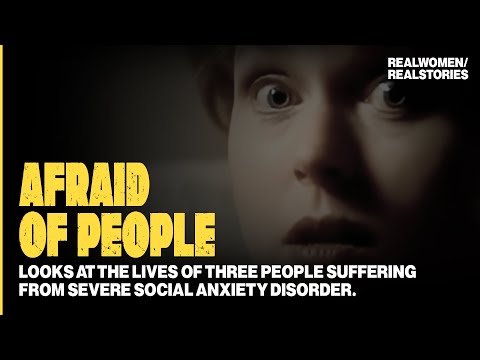
Hey, you know that feeling when your heart races just thinking about talking to someone new? Or how every social event suddenly feels like a mountain to climb? Yeah, that’s what severe social phobia can do.
It’s not just being shy. It’s like this heavy weight in your chest that makes everything feel impossible. You want to connect, but the fear holds you back.
Imagine standing in a crowded room, everyone chatting away, and you just wish you could disappear. Sounds relatable, right?
But you’re not alone in this. A lot of people struggle with these feelings. Let’s dive into what’s really going on in the mind when social anxiety hits hard and maybe find some light along the way.
Effective Strategies to Manage and Overcome Extreme Social Anxiety
Social anxiety can feel like a massive weight on your shoulders, right? It’s that intense fear of being judged or embarrassed in public. But don’t worry, there are definitely strategies that can help you manage and even overcome this. Here’s a breakdown of some effective approaches:
1. Gradual Exposure: The idea here is to take baby steps into the social situations that scare you. You don’t need to jump headfirst into a crowded party. Start small! Like, maybe wave at a neighbor or say hi to someone at the coffee shop. Each time you do this, it builds your confidence.
2. Breathing Techniques: When anxiety strikes, your heart races, and breathing becomes shallow. Practicing deep breathing can really help reduce those physical symptoms. Try inhaling deeply through your nose for four counts, holding for four counts, then exhaling slowly through your mouth for six counts. Feels calming? You bet!
3. Challenge Negative Thoughts: It’s super easy to get caught up in negative thinking patterns. You might think everyone is staring at you or laughing behind your back when that’s just not true! Start noticing those thoughts and challenge them with evidence. If you think someone is judging you, ask yourself: “What proof do I have?”
4. Practice Social Skills: Role-playing can be surprisingly effective! Find a friend or family member willing to practice conversations with you—maybe about how your day went or discussing hobbies you enjoy. It may feel silly, but it’s like training for the real thing!
5. Mindfulness and Meditation: Staying present can help when you’re feeling overwhelmed by anxiety about what might happen next in a social setting. Mindfulness exercises focus on the here and now—like noticing your surroundings or focusing on sounds near you—to ground yourself.
6. Set Achievable Goals: Sometimes it helps to write down specific goals related to social situations instead of overwhelming yourself with vague ideas like “I should be more social.” Instead say things like: “This week I will talk to one new person.” It makes the goal feel more doable.
And remember how important support is! Sometimes sharing how you’re feeling with friends or family can make a huge difference since they might help encourage you.
In short, living with extreme social anxiety isn’t easy—it feels isolating and exhausting at times—but these strategies offer ways to gradually reduce its hold over your life while helping build confidence along the way! Even small victories count!
Exploring the Efficacy of Prozac in Treating Social Anxiety Disorders
So, social anxiety disorder (SAD) can feel pretty overwhelming, right? It’s that intense fear of being judged or embarrassed in social situations. You know, the kind of thing that makes just chatting with someone feel like you’re about to jump out of a plane without a parachute? Well, Prozac, which is a type of antidepressant in the SSRI family, has been used to help folks manage those feelings.
Prozac and Social Anxiety
When we talk about Prozac, or fluoxetine, it’s all about how it works with your brain’s chemistry. Basically, it boosts serotonin levels. Serotonin is that happy little chemical messenger in our brains. And when you have enough of it? You may feel less anxious and more at ease in social settings.
How effective is it? Well, studies show that many people with SAD report improvement after taking Prozac for a while. It doesn’t work overnight though; it may take several weeks before you notice any significant changes. Some folks say they feel calmer and more confident. You know how sometimes just getting through a conversation feels like climbing Mount Everest? For many on Prozac, that climb gets easier.
But here’s the thing: not everyone responds to medications the same way. Some might find relief while others don’t notice much change at all. That’s why it’s crucial to work closely with a healthcare provider who really understands your situation.
Side Effects
Now let’s chat about side effects because they are part of the equation too. Some people experience things like nausea or changes in sleep patterns when they start taking Prozac. And guess what? Sometimes people even feel more anxious at first before things get better! It’s kind of like having to stir up a messy room before you can clean it up.
Most side effects tend to ease up over time as your body adjusts—thankfully! It’s important to keep an open line with your doctor so they can help manage anything uncomfortable.
A Holistic Approach
So here’s something interesting: while medication can play a key role in tackling social anxiety disorders, pairing it with therapy often helps boost its efficacy even more! Cognitive-behavioral therapy (CBT), for instance, is popular for helping people face their fears head-on and develop coping strategies—kind of like getting some tools for your toolbox while you’re taking care of that inner stuff with medication.
Imagine going into your first big meeting after starting Prozac and feeling nervous but also equipped with techniques from CBT to tackle those anxious feelings head-on! That combo might just give you the extra nudge you need.
Ultimately, treating social anxiety is rarely one-size-fits-all—it’s more like finding the right puzzle pieces for your specific picture. What works for one person might not work quite as well for someone else. But knowing there are options out there can be super reassuring!
So yeah, if you or someone you know is grappling with social anxiety disorders and considering Prozac as part of their journey towards feeling better—just remember it’s about exploring what fits best for *you*.
Exploring the Possibility of Incurable Social Anxiety: Understanding Long-Term Implications and Treatment Options
Social anxiety can feel like this heavy weight pressing down on you, right? You know, when just the thought of interacting in a crowd makes your stomach twist? It often goes beyond just being shy. For some people, it becomes a real struggle that impacts life in significant ways.
Now, let’s talk about the idea of **incurable social anxiety**. First off, it’s important to understand that while social anxiety can be tough to manage, calling it «incurable» might not be the full picture. Many folks learn to cope with it in different ways over time. But for some, the intense fear and avoidance stay for years—maybe even a lifetime.
When you think about **long-term implications**, there are quite a few to consider. Living with untreated social anxiety can lead to a myriad of problems like:
- Isolation: Many people avoid gatherings or even everyday situations that trigger anxiety, leading them to feel lonely.
- Job Impact: It can seriously affect career choices and job performance. You might hesitate to speak up in meetings or avoid networking altogether.
- Relationships: Forming close connections becomes challenging when you’re afraid of how others perceive you.
I’ve heard stories where someone would skip family events or even decline promotions because they just couldn’t handle being around others. That’s heartbreaking!
Now onto **treatment options**! While social anxiety might seem daunting, there are various paths people can take to address it:
- Cognitive Behavioral Therapy (CBT): This is like a foundational approach for treating anxiety issues. It helps change negative thought patterns into more positive and realistic ones.
- Exposure Therapy: Here’s where you gradually face what makes you anxious in safe environments—think baby steps! This method helps lessen fear responses over time.
- Meds: Sometimes medications can help manage symptoms. These aren’t necessarily a cure-all but may provide relief while other treatment methods kick in.
It’s kind of like having those backup players on your team; they support your main strategy without being the star of the show.
Remember that everyone’s journey is different—you might find one approach works better for you than another. And hey, reaching out for help can make all the difference; sometimes just talking about your feelings lifts part of that weight.
So whether you’re facing these challenges yourself or know someone who is, let them know they’re not alone and that help is available. It may not be an easy path at times but taking those first steps towards understanding and addressing social anxiety is super important!
So, let’s talk about social phobia, or social anxiety disorder, which can be like climbing a mountain of anxiety every time you need to interact with people. Imagine feeling this overwhelming fear of being judged or embarrassed, just thinking about talking to someone can raise your heart rate like you’re running a marathon. It’s pretty tough, right?
I remember this one time when a friend of mine had to give a presentation in class. She was smart and knew her stuff inside out but the thought of standing in front of everyone made her physically sick. I mean, she almost canceled the whole thing! And, guess what? That kind of reaction isn’t just being shy or introverted; it’s that social phobia kicking in, making even basic interactions feel daunting.
What’s interesting is how this fear can creep into everyday situations. You might find yourself avoiding gatherings or even simple tasks like ordering food at a restaurant because it feels like a performance under the judgmental gaze of an audience that’s not really there. It makes living your life feel restrictive and lonely sometimes.
From a psychological perspective, it usually starts in childhood or adolescence and can be influenced by various factors—like genetics or environmental experiences. Imagine growing up in an environment where you felt criticized often; over time that might make you overly aware of how others perceive you.
Cognitive-behavioral therapy (CBT) is one effective way folks deal with these feelings. It helps break down those negative thought patterns that amplify the anxiety. The key here is slowly challenging those fears—like dipping your toes into water before going for a swim instead of jumping right in!
That said, everyone’s journey is unique! Some may find relief through medication, while others might benefit from peer support groups where sharing experiences takes some weight off their shoulders. And hey, it’s okay to ask for help along the way; nobody has to face their fears alone.
So think about if you’ve ever felt that rush of panic before speaking up in a meeting or getting ready for a party—you’re definitely not alone! Confronting social phobia isn’t easy but recognizing it as something many struggle with brings hope and connection. Being kind to yourself during this process really matters because each small step counts and every little victory deserves some celebration!