So, let’s talk about something that usually sparks a lot of opinions: Electroconvulsive Therapy, or ECT. Yeah, you heard that right! It’s one of those things that can sound a bit intense, but it’s really interesting once you dig into it.
You probably have a ton of questions swirling around in your head. Like, does it hurt? Is it safe? And what even happens during treatment? Totally fair!
A while back, I was chatting with a friend who had been through some tough times with depression. She mentioned how ECT had changed her life. At first, I was like, “Wait, what?” But the more we talked about it, the more I started to see it in a different light.
It’s not the horror story people often think it is. There’s actually some serious science behind why and how ECT is used to help those struggling with depression. So hang tight; we’re just getting started!
Understanding the Risks and Dangers of Electroconvulsive Therapy (ECT)
Electroconvulsive Therapy, or ECT for short, can sound pretty intense, right? I mean, we’re talking about sending small electrical currents through the brain to trigger a seizure. This treatment is often used for severe depression when other methods haven’t worked. But it’s also essential to understand the risks and dangers involved.
Firstly, let’s talk about the immediate side effects. After getting ECT, some people experience confusion or memory loss. It’s like you walk into a room and forget why you’re there. This memory issue can affect both short-term and long-term recall, which might sound scary. In fact, many patients report that they don’t remember things that happened just before or after treatment.
Then there are physical side effects. You might feel headaches or muscle soreness after a session. Not exactly a walk in the park! These physical symptoms are typically short-lived but can still be uncomfortable.
Another significant concern is the stigma surrounding ECT. Many people have lingering negative views of it due to how it’s portrayed in movies and media. Honestly, it can make those considering it feel anxious or hesitant, even if they could benefit from it.
Also worth mentioning is how individual responses can vary. While some people find relief from their depression after just a few sessions, others may not respond at all or may require ongoing treatment with little improvement. It’s like trying out different flavors of ice cream; some just hit the spot while others leave you wanting more.
And let’s not forget about the emotional impact. Undergoing ECT can be an emotional rollercoaster. You’re putting yourself through something pretty significant in hopes of feeling better emotionally—so it’s totally normal to feel anxious or uncertain about it.
But despite these potential risks and downsides, many patients find that ECT provides them with relief when other treatments fail. It’s all about weighing your options closely—like deciding whether to take a leap of faith into something new or stick with tried-and-true methods that might not be working anymore.
In summary, while ECT has been beneficial for many individuals battling severe depression, it comes with its fair share of challenges and risks—from memory loss and physical discomfort to emotional strain and social stigma. It’s all about finding balance between its potential benefits and these drawbacks!
Understanding the Role of Succinylcholine in Electroconvulsive Therapy (ECT)
Electroconvulsive Therapy, or ECT, is a treatment often used for severe depression, especially when other therapies haven’t worked. But what about succinylcholine? This might sound like a fancy term, but it actually plays a pretty crucial role during ECT.
So, what is succinylcholine? Well, it’s a medication that acts as a muscle relaxant. During an ECT session, the goal is to induce a seizure in the patient to help with their symptoms. But here’s the thing: without some sort of muscle relaxation, those seizures could lead to unwanted physical movements or injuries.
When you receive ECT, you’re typically given succinylcholine before the procedure starts. This medication helps relax your muscles so that while the electrical stimulation is happening, your body doesn’t thrash around too much. Imagine how wild it would be if you had no control over your muscles during this process; it could be pretty dangerous!
But how does it work? Succinylcholine works quickly and wears off just as fast. It blocks the signals from your nerves to your muscles. This way, even though a seizure is going on in the brain—where all the important stuff happens—you don’t end up with your body doing its own thing.
Here’s another important point: safety matters. By using succinylcholine, doctors reduce the risk of complications during ECT. For example, patients who have certain conditions like severe arthritis or are older might have more issues with movements that could lead to injury if they weren’t relaxed.
However, it’s not just about relaxing muscles for safety; there’s also timing involved. The anesthesiologist gives succinylcholine right before administering electrical stimulation so that its effects are at their peak during the procedure. The whole idea is to manage everything seamlessly—because no one wants any surprises during something as serious as ECT.
Remember this: while succinylcholine does help make things safer and more comfortable for you during therapy, it’s just one part of the entire process. ECT itself can bring significant relief from depression when other treatments have failed.
In summary:
- Succinylcholine acts as a muscle relaxant.
- It helps prevent uncontrolled movements during seizures induced by ECT.
- The drug works quickly and wears off fast; timing is crucial.
- This makes the procedure safer overall.
So there you have it! Understanding how succinylcholine fits into ECT really shines light on how interconnected physical and mental health can be during treatment processes.
Navigating Life After ECT Treatment: Insights and Strategies for Recovery
So, you or someone close to you has gone through ECT, or Electroconvulsive Therapy, and now you’re thinking about what happens next. That transition back to everyday life can be a little tricky, but you’re not alone in this! ECT is often used to treat severe depression when other treatments haven’t worked, and while it can make a huge difference, the recovery process requires some attention.
First off, don’t rush yourself. It takes time for your mind and body to adjust after ECT. People often say they feel different—some even describe it as almost *lighter* or clearer. But with that clarity might come moments of confusion or forgetfulness. Remember, this is totally normal.
- Establish a Routine: Sticking to a daily routine can help bring a sense of normalcy back into your life. Consider having set times for waking up, eating meals, and winding down at night. It’s like giving your brain the stability it craves!
- Stay Engaged: Dive into activities you once loved or try something new! Whether it’s reading, painting, or gardening—keeping your mind busy can be incredibly beneficial. Plus, doing things that make you happy is key.
- Take Care of Yourself: Pay attention to your physical health too. Regular exercise—even just a short walk—can work wonders on your mood and energy levels. And don’t forget about proper nutrition; it plays an important role in mental health!
- Connect with Others: Don’t shy away from talking about what you’re feeling with friends and family. Sharing can lighten the load immensely. Plus, if you’re comfortable doing so, joining support groups could connect you with others who understand exactly what you’re going through.
- Avoid Major Decisions: After ECT, hold off on making big life choices if you can help it—like switching jobs or moving cities. Your brain might still be in recovery mode!
- Monitor Your Mood: Keep track of your feelings on good days and bad ones too! Writing them down can provide insights into patterns over time—you might notice improvements sooner than you’d expect.
- Work with Your Healthcare Team: Regular check-ins with doctors or therapists will help keep an eye on how everything’s going post-ECT. They’re there for guidance and support.
You should also pay attention to side effects that could pop up after treatment—like headaches or muscle aches—which are pretty common but usually fade soon enough. Some folks report experiencing memory issues which can be frustrating; so just hang tight as these may improve as time goes on.
Anecdote: A friend of mine went through ECT last year and felt super fuzzy after her sessions; she described her thoughts like they were wrapped in cotton candy! At first she was really scared she’d forgotten everything important—or worse yet—who she was! But as weeks passed by and she settled back into her routine (she even picked up knitting again!), those scary feelings started fading away.
Your journey is unique; there’s no one-size-fits-all approach after ECT treatment. Just remember to give yourself grace during this time—it’s okay to take baby steps toward recovery! And hey, if today feels rough? That’s part of the deal too!
The key takeaway here? You’re not just going back to who you were before; you’re embarking on a new chapter of self-discovery post-ECT treatment—and that’s pretty darn exciting!
Electroconvulsive Therapy (ECT) often gets a bad rap, right? Like, you might picture old movies where they show it being used in all the wrong ways. But let’s take a closer look at what ECT really is and how it plays into the big picture of treating depression.
So, imagine someone you care about struggling with severe depression—like, the kind that just doesn’t seem to get better with regular therapy or meds. It can be heartbreaking to watch someone you love feel so hopeless. That’s where ECT comes into play. Despite its undeserved reputation, ECT has been around for a long time and has proven to be effective for some folks who are really stuck in that dark place.
The procedure might sound intense—it’s basically a controlled seizure induced under anesthesia—but when it’s done in the right setting by qualified professionals, it can lead to real improvement. It’s not a first-line treatment but more like a safety net for those who haven’t found relief from other methods.
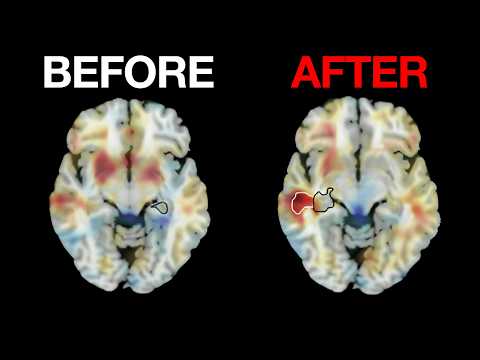
When you dig into the science behind it, ECT seems to work by altering brain chemistry and boosting neurotransmitters like serotonin and dopamine, which are crucial for mood regulation. For people with treatment-resistant depression, this can feel like a ray of hope when other options have failed.
I remember reading about a guy named Mark who had been dealing with debilitating depression for years. Nothing seemed to help—therapy sessions felt like band-aids on a bigger wound. Eventually, he tried ECT after much hesitation. At first, he was scared; I mean, who wouldn’t be? But after going through the treatments, he started feeling like himself again. It wasn’t instant magic or anything—he still had ups and downs—but there was this noticeable shift in his mood and energy levels.
It’s fascinating how opinions on ECT can vary widely. Some see it as barbaric while others champion its effectiveness. What’s clear is that mental health treatments aren’t one-size-fits-all; everyone’s journey is different. And sometimes, exploring options like ECT can be part of finding what really helps you or someone you care about climb out of that darkness.
In the end, keeping an open mind about these treatments could make all the difference for someone desperate for relief. So yeah, while ECT might not suit everyone’s story or every kind of depression situation out there, it certainly has its place in the broader conversation about mental health solutions today!