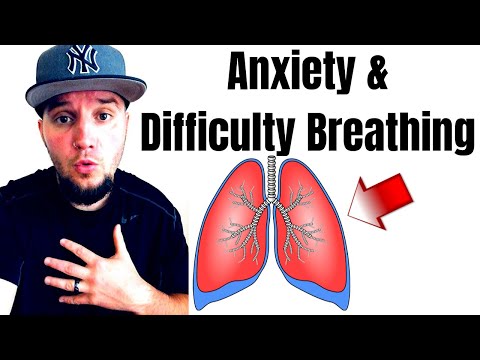
So, you’re chilling one day, and suddenly it feels like you can’t catch your breath. Crazy, right? You’re not alone in this. Anxiety can really mess with your body in ways that are totally unexpected.
Shortness of breath is one of those sneaky little surprises. It hits when you’re stressed, anxious, or even just thinking about something that worries you. But what’s the deal with that?
Well, let’s unpack it together. You might find some answers—and a bit of relief—along the way. So stick around!
Understanding the Stages of Anxiety Recovery: A Comprehensive Guide
Anxiety can feel like a heavy fog rolling in out of nowhere, and dealing with it isn’t always easy. When that anxiety hits, one common symptom people experience is shortness of breath. It’s like your body is sending you a warning signal that something’s not right. Understanding the stages of recovery can help make things clearer and hopefully a bit easier.
When we’re talking about the stages of anxiety recovery, it’s important to remember that everyone’s journey is different. You might find yourself moving back and forth between these stages or experiencing them in your own unique way. So, let’s break this down into manageable pieces.
- Acknowledgment: The first step is realizing that something’s off. It might be an overwhelming feeling when you’re in a crowded place or just a constant pressure in your chest. When you notice these feelings, it’s super important to acknowledge them without judgment.
- Understanding: Once you’ve acknowledged it, the next step is figuring out what triggers your anxiety. Is it work stress? Social situations? Understanding these triggers can help you gain control over your responses.
- Coping Strategies: Moving into this stage means looking for healthy coping mechanisms. Deep breathing exercises, meditation, or even just talking to someone can make a huge difference. For instance, if you’re feeling short of breath during an anxiety attack, trying slow breaths can help calm the storm inside.
- Support Systems: You don’t have to go through this alone! Connecting with friends or family who understand what you’re dealing with can be incredibly comforting. You might feel more motivated to tackle your anxiety when someone else is in your corner cheering you on!
- Professional Help: In some cases, reaching out for professional support can really speed up recovery. Therapists or counselors have tools and techniques that can make coping less daunting—like cognitive-behavioral strategies or mindfulness practices.
- Gradual Exposure: This doesn’t mean jumping headfirst into situations that terrify you! It’s more about slowly exposing yourself to triggers in controlled ways until they feel less overwhelming. Think of it like dipping your toe into cold water before diving in.
- Acknowledging Progress: Celebrate small victories! Managing anxiety isn’t always linear; some days will be better than others. Even recognizing when you’re able to face something you’d normally avoid is a win!
The road to feeling better often takes time—it’s not uncommon for setbacks to occur along the way. If one day you’re able to breathe calmly through stressful moments but struggle the next day, don’t beat yourself up over it! Recovery often resembles a rollercoaster ride more than a straight path.
If you’re grappling with shortness of breath, it might seem counterintuitive because you’re nervous and want to breathe normally! Focus on deepening those breaths instead of letting panic trick you into shallow ones—it really helps! Remember: recovery happens at its own pace and being patient with yourself is key.
The bottom line here? Understanding anxiety and its effects takes time but grasping these stages gives you a roadmap to navigate through your challenges, including those pesky moments of shortness of breath. Keep going—you got this!
Exploring the Impact of Anxiety Medications on Shortness of Breath: Legal Insights and Considerations
Anxiety can really mess with your body. One common symptom people report is shortness of breath. This sensation can feel pretty scary, like you can’t catch your breath. You might be surprised to know that anxiety medications can both help and sometimes worsen this feeling. Let’s break it down.
First off, anxiety-induced shortness of breath happens when your brain sends stress signals to your body. It’s all about that classic fight-or-flight response, you know? Your heart races, breathing quickens, and suddenly you’re feeling like you’re running a marathon—without actually moving an inch!
Now, enter the **anxiety medications**—like SSRIs or benzodiazepines. These meds are meant to chill out your brain but can have some side effects. So here’s where it gets a bit tricky.
- SSRIs (Selective Serotonin Reuptake Inhibitors) generally help with anxiety by increasing serotonin levels in your brain.
- Benzodiazepines work faster, giving quick relief but may cause dependency or withdrawal symptoms down the line.
- Some medications might even lead to respiratory depression, making it feel harder to breathe when you’re already anxious.
It’s kind of like a double-edged sword. You take the meds hoping they’ll ease your mind, but sometimes they add to the physical sensations you’re trying to eliminate.
Let’s say you’re prescribed a benzo for your anxiety and it works like magic at first—you feel relaxed! But then maybe after a few days or weeks, you notice that shortness of breath creeping back in. It’s frustrating because you’re trying to treat one issue but encountering another.
Also worth noting: when someone has existing respiratory issues like asthma or COPD, adding any medication could complicate things more. The way these meds interact with pre-existing conditions definitely needs careful discussion with a healthcare professional.
And hey, don’t forget about the legal angle here! If someone feels their medication is causing serious side effects—including shortness of breath—they might have grounds for talking with a lawyer if they’ve suffered harm or distress from their treatment plan. Understanding how those legalities work can be crucial if it ever gets complicated.
Finally, always remember that communication is key when dealing with medications and their effects on symptoms like shortness of breath. If you’re feeling off after starting something new—reach out! Chatting with your doctor about how you’re feeling allows them to tailor treatments specifically for you.
So basically, while anxiety meds can provide relief from what’s going on in your head, they aren’t a one-size-fits-all solution when it comes to those pesky physical symptoms like shortness of breath. It’s important to keep exploring both sides of the equation!
Identifying the Causes of Shortness of Breath: Anxiety vs. Heart Issues
Shortness of breath can be really scary. It’s one of those things that can make your heart race and your mind go into overdrive. You might find yourself wondering whether it’s just anxiety kicking in or if there’s something more serious happening, like a heart issue. Let’s take a closer look at these two possible causes.
Anxiety-Induced Shortness of Breath
When you’re feeling anxious, your body goes into that fight-or-flight mode, which is basically like a built-in alarm system. This can cause your breathing to become shallower or quicker. So, what exactly happens? Well, when anxiety strikes:
- Your muscles tense up.
- Your heart beats faster.
- Your breathing patterns change.
Maybe you’ve had that moment where you’re about to give a speech or try something new and suddenly you feel like there’s not enough air in the room. That’s anxiety messing with your breath! It can feel quite overwhelming, but it usually passes as the anxiety fades away.
Heart Issues and Shortness of Breath
Now, on the other hand, shortness of breath can also point to potential heart problems. If you’re experiencing this along with other symptoms, it’s important to pay attention. Here are some signs that may indicate something more serious:
- Pain or discomfort in the chest.
- Dizziness or lightheadedness.
- Nausea or cold sweats.
If you’ve ever had that sensation when climbing stairs and felt an unusual heaviness or tightness in your chest? That could be worth checking out by a doctor. Heart issues often come with physical strain—you might notice it after exertion more than when you’re just chilling out on the couch.
Differentiating Between the Two
If you’re trying to figure out whether it’s anxiety vs. heart issues causing your shortness of breath, consider these factors:
- Timing: Is it happening during stressful situations or when you’re at rest?
- Duration: Does it come and go quickly (likely anxiety) or linger for a longer period (potentially heart-related)?
- Add-ons: Are there other symptoms present—like rapid heartbeat or chest pain?
Anecdote time! I once knew someone who was convinced they were having a heart attack every time they got anxious about work presentations. They’d feel tight in their chest and dizzy—but when they talked about it later with their doc, they realized it was just anxiety rearing its head!
You know, anxiety can be a real kicker sometimes. I remember this one time I was sitting in a quiet room, enjoying some me-time when suddenly, the walls felt like they were closing in. My chest got tight, and I started to have trouble catching my breath—it felt like I was running a marathon without even moving. Ever been there? It’s such a strange thing, right?
So anyway, what’s going on here? When you’re anxious, your body can kick into fight-or-flight mode. Basically, it thinks there’s danger lurking around every corner—even when there isn’t. Your heart races, your muscles tense up, and guess what? Your breathing gets all funky too. You might start to breathe faster or feel like you can’t get enough air in.
This can lead to that shortness of breath, which often just makes the whole anxiety spiral even worse. You think you can’t breathe; then you panic about not being able to breathe! It’s a vicious cycle if you’re not careful.
But here’s the thing: it’s usually just the body overreacting to stressors that might not be life-threatening at all. Some folks find talking about this stuff helps ease those feelings—just sharing your experience can make it feel less daunting! Others might focus on their breath by taking slow and deep breaths in through their nose and out through their mouth—good old diaphragmatic breathing.
And look, if you’re ever feeling overwhelmed by these sensations or anything else related to anxiety, it’s totally okay to reach out for some support—no shame in getting by with a little help from friends or family. It really makes a difference when you’re not trudging through it alone.
In essence, understanding this connection between anxiety and shortness of breath can bring some peace of mind—it reminds us that our bodies are just trying to cope with stress even if they kinda go overboard sometimes! So remember—breathe easy and take it one step at a time.