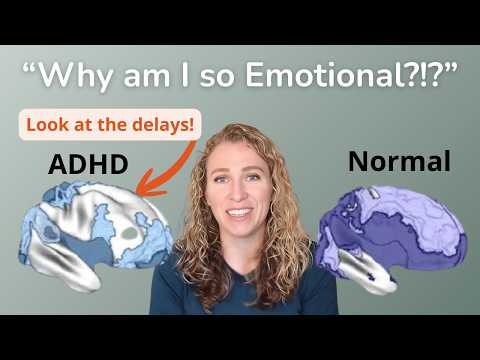
So, you know how sometimes we hear about ADHD and instantly think of hyperactive boys bouncing off the walls? Well, hold that thought!
What if I told you that ADHD can look way different in women? Seriously. It’s often overlooked or misunderstood, which can be super frustrating.
Picture this: a woman juggling a million things at once but feeling like she’s always one step behind. Or how about that friend who seems spaced out during conversations? There’s more going on there than meets the eye.
Let’s chat about recognizing those sneaky symptoms of ADHD in women. Because honestly, it’s time we shine a light on this and get the conversation rolling!
Understanding High Functioning ADHD in Females: Key Symptoms and Insights
Understanding high-functioning ADHD in females is a vital conversation. It often flies under the radar, especially since most people think of ADHD as this loud, hyperactive kid bouncing off the walls. But it’s way more complex than that, particularly for women.
Many women with ADHD might seem like they have it all together. They can juggle tasks, succeed at work, and maintain relationships. Yet underneath that polished exterior lies a struggle to focus and manage daily life. This can lead to feelings of anxiety and overwhelm.
So what are some common symptoms? Let’s break it down:
- Poor time management: You might find yourself constantly running late or forgetting deadlines, even if you plan everything out.
- Difficulty organizing: Your room or workspace may feel chaotic. You often can’t locate important items or documents right when you need them.
- Easily distracted: Whether it’s your phone buzzing or a random thought popping into your head, staying on task can be a real challenge.
- Intense emotions: You might experience mood swings or feel overwhelmed by feelings that seem disproportionate to the situation at hand.
- Sensitivity to criticism: Even gentle feedback can feel like a personal attack, leading to self-doubt and anxiety.
You know what’s wild? Women often develop coping strategies that might disguise their symptoms. For example, they might overcompensate by writing endless lists or setting multiple reminders—anything to stay on top of things! It’s like wearing a mask; they appear functional but struggle inside.
Anecdote time! A friend of mine who just found out she has high-functioning ADHD shared how she felt constantly behind the curve at her job. She was great at her tasks but would miss crucial meetings because she lost track of time—not because she was irresponsible but simply because her mind was racing elsewhere. She felt exhausted trying to project this image of being on top of everything while secretly battling her attention challenges.
Sometimes women with high-functioning ADHD also face an added layer: societal expectations. There’s pressure to excel in various roles—like being perfect mothers, dutiful employees, and supportive friends—which can really ramp up stress levels.
If you’re reading this thinking you might relate—you’re not alone! Recognizing these symptoms is the first step toward understanding yourself better or helping someone else understand their struggles.
The journey doesn’t end here though! Awareness is crucial but seeking support from friends and mental health professionals can make all the difference in navigating life with high-functioning ADHD.
So remember: just because someone appears “fine” on the outside doesn’t mean they aren’t dealing with an internal battle!
Understanding the Female ADHD Test: Symptoms, Importance, and Diagnostic Process
Recognizing ADHD in women can be a bit of a maze. The symptoms often look different from what you’d expect, and the testing process? Well, it can be tricky too. Let’s break it all down.
Understanding Symptoms
Women tend to display ADHD symptoms differently compared to men. While hyperactivity might be loud and clear in boys—think running around or interrupting others—many women show signs like:
- Inattention: This could be daydreaming or getting lost in thoughts during conversations. You know when you’re nodding along but your mind’s on that Netflix show instead?
- Emotional Sensitivity: Feelings might hit harder, causing mood swings or overwhelming emotions that seem out of nowhere.
- Struggles with Organization: Juggling tasks can feel like spinning plates. You’re doing dishes while mentally preparing for tomorrow’s meeting, but then the laundry suddenly calls your name.
- Sensory Overload: Everyday noises, like a ticking clock or buzzing phone, might feel amplified, making it hard to focus.
It’s this subtlety that sometimes makes ADHD in women go unnoticed for so long. There’s a common stereotype that ADHD is just about kids bouncing off walls—but it’s way more nuanced than that.
The Importance of Recognition
Identifying these symptoms early on is crucial. When ADHD goes undiagnosed, it can lead to anxiety, depression, and feelings of inadequacy. Imagine constantly feeling like you’re running on a treadmill but getting nowhere—exhausting and frustrating!
Understanding and recognizing these patterns helps in not only improving daily life but also in building self-esteem. A diagnosis means you can finally say, “Ah-ha! This is why I’ve been feeling this way.” It opens doors to appropriate support and coping strategies.
The Diagnostic Process
So how does someone get diagnosed? First off, it usually starts with a chat with a healthcare professional—like a psychologist or psychiatrist who specializes in ADHD.
Here’s what the process may look like:
- Initial Evaluation: Expect questions about your history and any struggles you face at work or home.
- ADHD Rating Scales: You might fill out surveys assessing how often you experience certain symptoms.
- Clinical Interviews: These are deeper discussions with professionals who’ll dive into your past experiences that could relate to ADHD.
- Coping Strategies Assessment: They’ll look at how you’ve been managing everyday tasks—it helps paint a clearer picture.
It’s not just one test; it’s really about gathering clues from different angles.
Anecdote: Real-Life Impact
Let me share an example: Imagine Sarah—a busy mom navigating juggling work while managing three kids. She felt perpetually scattered—forgetting appointments and losing track of simple tasks. After being diagnosed with ADHD as an adult, she got the support she needed. Now she uses tools like planners and timers to help keep her focused!
For her, understanding her brain made all the difference between chaos and calm.
In summary? Recognizing ADHD symptoms in women is essential for paving the way toward understanding oneself better. It transforms lives by bringing clarity amid confusion—it’s empowering! And remember: if you’ve felt like something’s been off for ages? You’re definitely not alone!
Understanding the Impact of Untreated ADHD in Adult Women: Signs, Risks, and Treatment Options
Understanding ADHD in adult women can feel like navigating a maze. So, let’s break it down piece by piece, alright?
First off, **ADHD (Attention-Deficit/Hyperactivity Disorder)** isn’t just for kids. It can linger into adulthood, and for many women, it often goes unnoticed or untreated. It’s a bit tricky because the signs can show up differently than they do in men. You might find yourself daydreaming during meetings or feeling overwhelmed by daily tasks.
When women have untreated ADHD, it can lead to some serious challenges in their lives. Here are a few key things to watch for:
- Emotional dysregulation: This is when you struggle to manage your emotions. You might feel anxious or have mood swings that seem to come out of nowhere.
- Low self-esteem: Many women with ADHD experience feelings of inadequacy. Constantly comparing yourself to others? Yeah, that’s pretty common.
- Poor time management: You know those days where the clock just seems to disappear? That can be a real issue, especially when it comes to deadlines or appointments.
- Difficulties with organization: Finding your keys… or maybe even your wallet… feels like searching for buried treasure! Keeping track of tasks becomes overwhelming.
And here’s the thing: since symptoms can be more subtle in women, they often get misdiagnosed as anxiety or depression instead of ADHD. This means that treatment might not address the root cause at all.
The risks of leaving ADHD untreated aren’t trivial either. Some common issues include:
- Relationship troubles: Whether it’s friends, family, or partners, misunderstandings could happen more frequently than you’d like.
- Job struggles: Staying focused at work is tough if you’re constantly battling distractions without support.
- Mental health issues: Untreated ADHD raises the chance of developing anxiety disorders or depression—it’s like an unhelpful combo!
So what about treatment options? There are actually several ways to tackle this:
- Cognitive Behavioral Therapy (CBT): This type of therapy helps change negative thought patterns and improve coping strategies.
- Medication: Stimulants like Adderall or non-stimulant options such as Strattera can help manage symptoms effectively.
- Lifestyle changes: Things like regular exercise and better sleep habits can really make a difference too!
A friend of mine once told me how she struggled with managing her time and felt perpetually behind on everything—work projects, household chores… you name it! Once she got diagnosed and started addressing her ADHD through a combination of therapy and lifestyle adjustments, things shifted dramatically for her.
So yeah, if you’re noticing signs in yourself or someone else, it’s definitely worth exploring the idea that ADHD might be at play. You’re not alone in this journey! Understanding these challenges is just one step toward finding effective support and feeling better overall.
You know, when we think about ADHD, most of us probably picture hyperactive little boys bouncing off the walls. But it’s not just boys who experience this; girls and women can have it too, often in ways that fly under the radar. Seriously, it’s like they get to the party but nobody notices they’re there until it’s almost over.
I remember a friend of mine from high school, Sarah. Super smart and creative, but she was always being called “daydreamy” or “scatterbrained.” I would see her losing track of conversations or starting a bunch of projects without finishing any. It wasn’t until years later that she learned she had ADHD. It’s wild how common it is for women to mask their symptoms or be misdiagnosed because their struggles don’t fit that classic mold.
So the thing is, ADHD symptoms in women can look quite different than what you might expect. Instead of typical hyperactivity or impulsive behaviors, many might experience inattention or difficulty with organization and time management. They often internalize their challenges, leading to anxiety or low self-esteem without even realizing why they feel that way.
Think about it: balancing work, relationships, and everything else while feeling like you’re consistently playing catch-up can be really draining. Women tend to develop coping mechanisms like perfectionism or people-pleasing just to blend in. But this only complicates things further because those traits can mask ADHD symptoms even more.
And here’s another layer: hormonal fluctuations throughout life—like during periods, pregnancy, or menopause—can amplify these challenges for women with ADHD. It’s like adding another ingredient into an already complex recipe! So many factors play into how symptoms present themselves.
Recognizing these patterns through a psychological lens is super important because it shifts our understanding of what ADHD looks like in women—and ultimately leads to better support and treatment options. Awareness can be such a game changer! For my friend Sarah, getting diagnosed was liberating; finally understanding herself made all the difference.
When we start talking about this stuff openly and encouraging each other to seek help when needed—we create space for real discussions around mental health that resonate with so many but often go unnoticed.