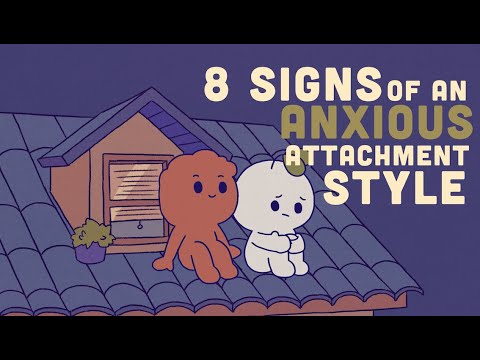
You know that feeling when you’re waiting for a text from someone, and it feels like forever? Yeah, that’s anxiety creeping in.
Anxious attachment style can do a number on how you connect with others. It’s like being on an emotional rollercoaster, where every little thing feels magnified.
What’s wild is, a lot of us don’t even realize we’re living in that loop of worry and clinginess. We just think we’re being “normal.” But trust me, it’s way more common than you might think!
Let’s chat about what this looks like in real life. And hey, recognizing the traits is the first step toward understanding yourself better. Sounds good, right?
Understanding Anxious Attachment Styles: Key Signs and Characteristics
Anxious attachment styles can really complicate relationships, you know? It’s like they’re always looking for reassurance and connection but end up feeling insecure. So what exactly does this mean? Well, let’s break it down a bit.
Key Signs of Anxious Attachment Styles
First off, people with an anxious attachment style often experience a mix of anxiety and fear when it comes to relationships. They might worry a lot about their partner leaving them or not loving them enough. It kind of feels like standing on shaky ground all the time. They crave closeness yet doubt whether it’ll last.
- Need for Reassurance: You might notice they constantly seek validation from their partner. “Do you still love me?” or “Are we okay?” are common phrases. It’s like they need a constant reminder that everything’s fine.
- Fear of Abandonment: Imagine your friend not being able to enjoy a weekend getaway because they’re worried their partner might meet someone else while they’re away. That’s real anxiety at play.
- Over-sensitivity to Partner’s Actions: If their partner seems distracted or doesn’t reply right away, they’ll likely spiral into thoughts like “Did I do something wrong?” or “Maybe they don’t care.”
- Tendency to Be Clingy: They may feel the urge to be close to their loved ones all the time, sometimes coming off as needy. It can create some tension if one person feels smothered.
- Difficulties Handling Conflict: When disagreements come up, someone with an anxious attachment style might panic, fearing it could lead to separation rather than viewing it as just part of relationships.
Now, it’s worth mentioning that these traits don’t make someone bad or unworthy; they’re just reflecting deep-seated fears from early attachments—usually from childhood experiences. Maybe they grew up in a home where emotional support was inconsistent, making them hyper-aware of relationship dynamics later in life.
But here’s the thing: recognizing these signs in yourself or someone you care about can be super helpful! Understanding is key; once you see what’s happening beneath the surface, there’s room for growth and maybe healthier patterns.
So overall, anxious attachment styles can create unique challenges in relationships but understanding these traits and characteristics is a step toward better connections. Unpacking those feelings—even though it might be tough—can lead to more fulfilling partnerships down the line!
Exploring the Benefits of Cognitive Behavioral Therapy for Anxious Attachment Issues
So, let’s talk about Cognitive Behavioral Therapy (CBT) and how it can help with anxious attachment issues. You know that feeling when you’re always worried about your relationships? Like, you’re constantly seeking reassurance, fearing abandonment, or maybe over-analyzing every little thing your partner says? That’s what we call an anxious attachment style.
Anxious attachment can stem from tricky childhood experiences—maybe you had caregivers who were inconsistent, sometimes loving and other times distant. Because of this, you might grow up feeling like you need to cling to others to feel secure. But here’s where CBT comes in; it’s designed to help reshape these patterns.
CBT focuses on changing negative thoughts and behaviors. The idea is that if you can tweak the way you think about your relationships, you might just feel a lot calmer and more secure. For instance, instead of automatically thinking “They didn’t text me back; they must not care,” CBT encourages you to challenge that thought. You could ask yourself: “What evidence do I have that they don’t care?” This simple shift can be a game-changer.
- Identifying Triggers: One major benefit of CBT is learning to recognize the triggers for your anxiety in relationships. Maybe it’s when someone doesn’t respond within a certain time frame or when plans change last minute. By identifying these moments, you’re better equipped to manage your reactions.
- Developing Coping Strategies: CBT also teaches practical coping strategies. You might learn mindfulness techniques or breathing exercises that can ground you when anxiety starts creeping in.
- Improving Communication Skills: With anxious attachment, communication can be tough. CBT helps enhance those skills so that instead of spiraling into worries or accusations, you can express what you’re truly feeling without creating drama.
I remember a friend who struggled with this kind of anxiety in her relationship. She’d panic if her partner was late coming home, convinced he’d decided he didn’t want her anymore. After some time using CBT techniques—like keeping a thoughts journal and practicing breathing exercises—she started feeling more grounded and able to talk openly about her feelings instead of just reacting out of fear.
The goal? To foster more secure attachments over time. It won’t happen overnight; change takes patience! But as those old patterns start to shift through practice, you’ll probably notice healthier dynamics blossoming in your relationships.
Cognitive Behavioral Therapy isn’t magic but it’s pretty close when it comes to tackling anxious attachment issues! If you’re ready for a healthier mindset in relationships—and let’s be real, who isn’t?—it could definitely be worth considering.
Understanding Avoidant Attachment Style: Impacts on Relationships and Personal Growth
Understanding Avoidant Attachment Style
Let’s chat about avoidant attachment style. This is something that can really shape how you connect with others and even how you see yourself. Basically, this attachment style often comes from childhood experiences, where emotional needs might not have been met. You know, it’s like if you reached out for a hug and got a pat on the head instead. Over time, some people learn to keep others at bay for fear of getting hurt.
Key Traits of Avoidant Attachment
- Emotional Detachment: Individuals might seem independent and self-sufficient, but it often masks a fear of intimacy. They could physically be there but emotionally not fully present.
- Avoiding Closeness: When relationships start to get serious, those with avoidant attachment may pull away or create distance. It’s like they’re running for the hills at the first sign of commitment!
- Lack of Trust: Building trust can be tricky. You might find that they question motives or keep things surface-level to protect themselves.
- Difficulty Expressing Feelings: Sharing emotions may feel uncomfortable or overwhelming for them. They might struggle to articulate what they’re feeling or even deny feelings altogether.
So, picture this: Imagine you finally open up to someone after weeks of hanging out. You share your hopes and dreams, but their response is a shrug. Ouch! That’s how it feels when someone with an avoidant attachment style shuts down emotionally.
The Impacts on Relationships
Living with an avoidant attachment style can seriously complicate your relationships. A common scenario? Let’s say you’re dating someone who craves closeness and affection—they want more heart-to-heart talks and cuddles on the couch—but all you can think about is keeping it light and breezy.
This mismatch can lead to frustration on both sides:
– The anxious partner may feel rejected or unworthy.
– The avoidantly attached person might feel smothered or trapped.
Over time, these patterns create tension that’s hard to shake off.
The Role in Personal Growth
But here’s the thing: recognizing your avoidant tendencies can actually serve as a huge jumping point for personal growth! It’s kind of like finding out there’s a secret door in your mind that leads to better relationships if you’re willing to open it up.
You start to learn:
– **Self-Awareness:** By noticing when you’re pulling back from intimacy, you begin acknowledging areas for improvement.
– **Communication Skills:** You’ll find that learning how to express feelings—no matter how awkward—can lead to deeper connections.
– **Building Trust:** Gradually letting your guard down allows space for trust in relationships.
It’s scary at first, but imagine being able to connect deeply without feeling overwhelmed! That could really change things.
In summary, understand that avoiding emotional closeness comes from deep-rooted fears often tied back to early experiences. Recognizing these patterns is key—not only in building healthier relationships but also in fostering personal growth along the way!
You know, when you’re trying to understand relationships, one thing that pops up pretty often is attachment styles. They can really shape how people connect with others. Anxious attachment styles, in particular, can lead to some pretty intense emotional experiences. Basically, if you find yourself feeling insecure about your relationships or constantly craving reassurance from your partner, you might be dealing with an anxious attachment style.
I remember chatting with a friend who would get super stressed whenever her boyfriend didn’t text back right away. She’d spiral into thoughts like he was losing interest or maybe he was mad at her for something she didn’t even do! It wasn’t fun watching her go through that. But as we talked more about it, it became clear that this pattern was tied to how she related to love and intimacy.
When you’ve got an anxious attachment style, there’s often this fear of abandonment lurking in the background. You might feel like you need constant validation from others to feel secure. It’s almost like walking on eggshells—always worried that if someone doesn’t respond the way you expect, it means they’re pulling away.
Now let’s chat about some traits that come with this style! One of the big ones is being hyper-aware of your partner’s feelings and actions. You might read into every little thing they do or say, trying to decipher their mood or intentions. It’s exhausting! And then there’s this tendency to cling a bit too tightly; wanting to spend loads of time together while at the same time feeling this undercurrent of worry about whether they really care.
It’s interesting how behaviors can be so interconnected with emotions and past experiences too—it’s not always easy to untangle them! One helpful approach could be recognizing these patterns when they pop up in your life or someone else’s and just being aware of them.
So yeah, if you find yourself resonating with those traits—don’t beat yourself up! Sometimes understanding why we behave a certain way can be the first step toward feeling better about our relationships and ourselves.