Ever noticed your kiddo seems a bit off? Like, one minute they’re bouncing around, and the next, they’re just… not? It can be tough to figure out what’s really going on.
You see, kids can feel blue too. But spotting those signs isn’t always easy. Sometimes they might just be tired or moody. Other times, it could be a deeper issue like depression.
So, how do you know when it’s time to worry? Let’s chat about some of those symptoms. You’ll want to keep an eye out for changes in their mood or behavior. After all, kids can’t always express what they’re feeling in words.
This stuff matters. Understanding what’s happening in their little minds can make a huge difference.
Understanding the Diagnosis of Depression in Children: Key Insights and Guidelines
Recognizing depression in children is super important, but it can often feel like looking for a needle in a haystack. Kids don’t always express their feelings clearly, and sometimes they might not even know what they’re feeling. This can make spotting the signs trickier than you’d think.
First off, depression in children can look very different than it does in adults. While adults might talk about feeling sad or hopeless, kids may show their struggles through behaviors or physical symptoms instead. You might notice changes in their mood, energy levels, or interests.
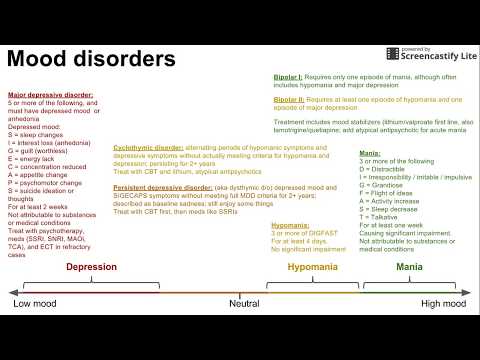
- Changes in mood: If your child seems irritable or cranky much more often than usual, that could be a red flag.
- Loss of interest: Say they used to love playing soccer or drawing. If they’re suddenly uninterested and just want to stay in bed all day, it’s worth taking a closer look.
- Sleep disturbances: Some kids sleep too much while others can’t seem to get enough shut-eye. Both extremes can signal something deeper going on.
- Changes in appetite: Watch for sudden changes like eating a lot less or way more than they used to. Kids often find comfort in food, so this can be telling.
You know, I remember a friend from school who seemed happy on the outside but was actually battling some intense feelings inside. She became distant from her friends and stopped participating in class activities. Over time, we learned she was dealing with depression—and it really opened my eyes to how easy it is to miss these signs.
Another thing to consider is how physical symptoms, like tummy aches or frequent headaches, might be linked to emotional distress. Kids don’t always connect the dots between their feelings and how they feel physically.
You should also keep an eye out for any sudden changes in academic performance. A child who used to excel suddenly failing could be facing more than just typical school stress.
It’s important not just to notice these signs but also to create an environment where your child feels safe sharing what they’re going through. Encourage them to talk openly about their feelings without judgment; this makes a big difference.
If you suspect your child may be struggling with depression based on these signs, it’s vital you reach out for help. This doesn’t mean jumping straight into therapy; sometimes just talking with someone who understands—like a teacher or school counselor—can provide valuable support.
At the end of the day, understanding depression in kids is about being observant and compassionate. Recognize that while kids may not always have the words to describe their emotions, you can still help them by paying attention and encouraging open conversations about feelings—and that’s pretty powerful!
Understanding Child Depression: Effective Screening Tests and Resources
Child depression is a serious issue, and as a parent or guardian, it’s tough to watch your kid struggle. Recognizing the signs early can make all the difference. Let’s break down what to look for and how screening tests can help.
First off, kids express feelings differently than adults do. You might notice your child seems more withdrawn than usual. They may lose interest in activities they once loved, like playing with friends or drawing. Common symptoms of depression in children include:
- Persistent sadness: If your child often appears sad or irritable without any clear reason.
- Changes in appetite: Eating way less or way more can be a red flag.
- Trouble sleeping: Either sleeping too much or struggling to fall asleep at all.
- Lack of energy: If they seem unusually tired or lethargic.
- Difficulties with concentration: Struggling to focus on schoolwork or even simple tasks.
You know how when you’re feeling down, everything feels heavier? Kids experience this too. Sometimes, they don’t even have the words to express what they’re feeling. This is where screening tests come into play; they can help identify if your child is dealing with depression.
A common screening tool is the Pediatric Symptom Checklist (PSC). It’s a questionnaire that asks about emotional and behavioral issues over the past month. Parents fill it out while considering their child’s behavior at home and in school. Another option may be the Kiddie-Schedule for Affective Disorders and Schizophrenia (K-SADS). It dives deeper into symptoms and is usually completed by a healthcare provider.
If you suspect something’s off but are not sure, using these tools can provide clarity. Still, it’s crucial to remember that these screenings are just part of the puzzle. If results indicate potential issues, follow up with a mental health professional who specializes in child development.
Anecdotally speaking, I remember a friend who couldn’t understand why her son was acting out at school—he’d gone from being super chatty to silent overnight! After taking him to see someone who used those screening tests, it turned out he was experiencing anxiety that led to depressive symptoms. Getting him support turned their lives around!
If you’re looking for resources beyond screening tests, many organizations offer support for parents and children alike. The National Alliance on Mental Illness (NAMI), for example, provides tons of helpful information about recognizing mental health issues in kids and where to find help.
Your role as a caregiver isn’t just about noticing behaviors; it’s also about providing emotional support when things get tough. You’re not alone in this journey—many resources are available to help navigate through understanding child depression better! Being informed is really empowering both for you and your child.
Understanding Depression in Children Under 10: Signs, Symptoms, and Support Strategies
Understanding depression in children under 10 can be pretty challenging. Kids express emotions differently than adults, and spotting signs of distress isn’t always straightforward. You might notice them acting out, withdrawing, or just not being their usual selves. So let’s break this down a bit.
Signs and symptoms can vary quite a lot. Some common ones include:
- A noticeable drop in energy or enthusiasm for activities they used to love.
- Changes in sleep patterns, like trouble falling asleep or sleeping too much.
- Poor concentration or difficulty in schoolwork.
- Feelings of sadness, irritability, or crying spells that seem out of the blue.
- Physical complaints like stomachaches or headaches without a clear cause.
I remember hearing about a boy named Sam who loved playing soccer every weekend. Suddenly, he didn’t want to go anymore. He’d come home from school, sit quietly on the couch, and hardly talk to his friends. His mom noticed these changes but thought it was just a phase. Eventually, after talking more with him, she discovered he felt really overwhelmed and lonely at school.
Identifying depression in younger kids can be tricky because they don’t always have the words to explain what they’re feeling. Look for shifts in behavior that last for weeks rather than days. If it feels like something’s off for a longer period—like Sam—then it may be time to seek support.
When it comes to support strategies, here are some helpful approaches:
- Create an open environment: Encourage them to express their feelings without fear of judgment. Ask questions like “How did that make you feel?”
- Be patient: It’s essential to give them time and space. Let them know it’s okay not to be okay.
- Routine matters: Having a predictable daily routine can bring comfort and stability into their lives!
- Error-friendly play: Engaging in fun activities can foster connection and lift spirits—think arts and crafts or family game nights!
The key is not to push too hard but rather gently nudge them toward expressing themselves while staying close by if they need you. Remember how Sam’s mom took time to talk about his feelings? Just that little change made all the difference for him.
If you suspect your child is dealing with severe depression symptoms or if things don’t seem to improve with time and support at home, reaching out to a professional can provide further guidance and resources suited for kids.
The bottom line is that recognizing depression early can help ease its weight on your little one’s shoulders. Keeping an eye on changes in behavior while offering love and understanding is super important! If we all do our part in showing those young ones that it’s okay to ask for help when they’re feeling down, we might just give them the strength they need as they grow up!
When it comes to kids, recognizing depression can be really tricky. It’s not like they wear a sign saying, “I’m feeling low!” Instead, their feelings often show up in ways that might just seem like typical kid stuff. You know, like being moody or acting out. But sometimes, it runs deeper than that.
I remember a friend’s little brother who used to be so vibrant and full of energy. He loved to skate and hang out with his friends, but over time, he started pulling away from everything he once loved. His parents thought it was just a phase—like when kids suddenly find their phone more interesting than playing outside. But something felt off.
In children, signs of depression can include things like changes in mood or behavior that seem out of character for them. Maybe they seem more irritable than usual or have trouble concentrating at school. Sometimes they might even complain about physical pains that don’t have any clear cause—like tummy aches or headaches.
One thing you might notice is a change in sleep patterns too. If they’re sleeping way too much or not enough, that could be a red flag as well. Also, stuff like losing interest in activities they used to enjoy? That’s another sign you shouldn’t overlook.
And it’s super important to listen when kids talk about their feelings—if they’re expressing hopelessness or worthlessness, please take it seriously. Kids often feel ashamed about their emotions and don’t know how to voice them properly.
But here’s the thing: as adults, we’ve got to create a space where kids can express themselves openly without fear of judgment. It could really make all the difference in helping them navigate their feelings before things get too heavy.
So yeah, recognizing these symptoms is crucial because the sooner we notice changes and address them, the better equipped our kids will be to cope with whatever they’re facing down the road. It’s all about being there for them and making sure they know it’s okay to feel whatever they’re feeling—no matter how messy it seems!