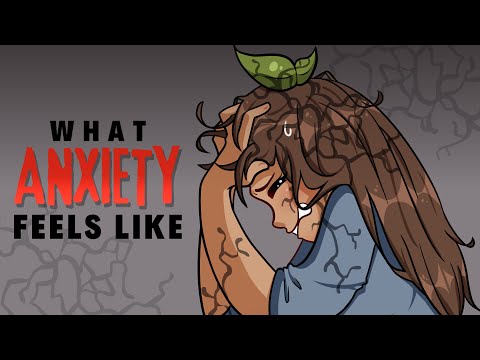
Hey, you know that feeling when your heart’s racing, and you’re just staring at the wall? Yeah, that’s anxiety creeping in. It can be so intense sometimes.
A lot of folks brush it off like it’s no big deal, but let’s be real; it can mess with your day in a major way. Ever felt that knot in your stomach before an important meeting or event? Totally relatable, right?
The thing is, recognizing those signs can really help you manage it better. So if you’re curious about what to look for, stick around! We’ll break down some key psychological indicators together.
Comprehensive List of 100 Anxiety Symptoms: Identification and Awareness
Anxiety is one of those things that can sneak up on you, right? It can feel like a storm brewing inside, even when everything else seems okay. If you’re trying to figure out what anxiety really looks like, here’s a handy breakdown of some common symptoms. Recognizing these signs is super important for your own awareness and mental health journey.
Physical Symptoms: Anxiety can really mess with your body. You might notice:
- Heart Palpitations: Your heart races like you’ve just sprinted a marathon.
- Sweating: Feeling like you just stepped out of the shower, even when you haven’t.
- Trembling or Shaking: You might find your hands or legs quivering unexpectedly.
- Nausea: That uncomfortable churn in your stomach that just won’t go away.
- Muscle Tension: You know that tightness in your shoulders? Yeah, that’s anxiety hanging on for dear life.
Cognitive Symptoms: The way anxiety messes with your thoughts is no joke. Here are some key indicators:
- Persistent Worry: You can’t stop thinking about what-ifs and worst-case scenarios.
- Difficulties Concentrating: It’s hard to focus on anything because your mind is racing.
- Irrational Fears: Some fears might seem over the top but feel completely real to you.
- Pessimism: You tend to see things through a negative lens, expecting the worst outcomes.
Emotional Symptoms: Anxiety doesn’t just impact our bodies and minds; it also takes a toll on our emotions.
- Irritability: Little things get under your skin more than they should.
- Sense of Doom: Feeling like something terrible is about to happen, even if there’s no real threat.
- Apathy:
Behavioral Symptoms:; This is where anxiety can really show up in how we act or react.
- Avoidance Behaviors: b>You steer clear of situations or places that trigger anxious feelings. li >
- Nervous Habits: Biting nails, pacing back and forth—these little habits pop up more often. li >
- Social Withdrawal: Avoiding social situations because they become overwhelming. li >
ul >Each person experiences anxiety differently, and not everyone will have every symptom. Like my friend who used to get so jittery before presentations; she’d pace back and forth while rehearsing her speech in her head until she felt ready to crush it. But for others, it could mean withdrawing entirely from social events.
Recognizing these symptoms is the first step in understanding what you—or someone close to you—might be going through. **It’s okay** to seek help if these feelings become too intense or disruptive. Just knowing what you’re dealing with can lighten the load a bit!
Understanding Uncommon Physical Symptoms of Anxiety: Insights and Management Strategies
Anxiety can be sneaky, showing up in all sorts of ways that you might not expect. Sure, you’re familiar with the classic symptoms like racing hearts or sweaty palms. But what about those uncommon physical symptoms? You know, the ones that make you go, “Wait, is this really happening?” They can catch you off guard and leave you wondering if something’s seriously wrong.
Let’s talk about some of these unusual manifestations of anxiety. Here are a few that could surprise you:
- Dizziness or lightheadedness. Sometimes when anxiety kicks into high gear, it can mess with your equilibrium. You might feel like the room’s spinning or that you’re floating.
- Tremors or shaking. While many link this symptom to panic attacks, it can sneak in during everyday anxieties too—like before a big presentation.
- Nausea or gastrointestinal distress. Ever felt butterflies in your stomach? Or worse, hit by waves of nausea when stressed? Yep, anxiety can turn your tummy upside down.
- Muscle tension and pain. You might find yourself clenching your jaw or tightening your shoulders without even realizing it. Over time, this stress on your body leads to discomfort.
- Numbness or tingling sensations. It’s like your body saying, “Whoa there!” This sensation can pop up during heightened anxiety levels and often confuses folks thinking they may be having something more serious going on.
So why do these symptoms happen? Well, they stem from your body’s fight-or-flight response. When we’re anxious, our brain triggers a cascade of stress hormones. They prepare us to react to threats but also mess with our body’s normal functions—hence the funky feelings. It’s a wild ride our minds take us on!
You might wonder how to handle these tricky symptoms once they show up. Here are some strategies that could help manage them:
- Breathe deeply: Sounds simple but taking slow breaths can calm your nervous system. Inhale for four counts, hold for four counts, then exhale for four counts—it really works!
- Meditation and mindfulness: Sitting quietly and focusing on the present moment helps ease anxious thoughts and those pesky physical sensations too.
- Move around: Physical activity releases endorphins, which are mood lifters! Even a short walk can shift how you’re feeling in no time.
- Talk it out: Sharing what you’re going through with someone who gets it helps lighten the mental load. It feels good to vent sometimes!
- Avoid stimulants: Caffeine and sugar might amp up anxiety levels; cutting back could reduce those weird symptoms too!
If these symptoms stick around or get worse over time, don’t hesitate to seek professional guidance. It’s totally okay to ask for help. And remember: everyone experiences anxiety differently—just because you feel funky doesn’t mean you’re alone in it!
Your body has its own way of signaling distress through these uncommon physical symptoms. So keep an eye (and ear) out for them! Understanding what’s going on is key—it allows you to tackle anxiety head-on rather than letting it run wild. You got this!
Understanding the Symptoms of Anxiety Attacks: Key Signs and Management Strategies
Anxiety attacks can feel overwhelming. They sneak up on you, often when you least expect it. Imagine you’re at a party, and suddenly your heart races, your palms get sweaty, and you feel a tightness in your chest. You might even think you’re having a heart attack! But what you’re actually experiencing is an anxiety attack, or panic attack.
So what are the symptoms of these intense moments? Well, it’s more than just feeling worried. Here are some key signs to look out for:
- Rapid heartbeat: This often happens as your body goes into fight-or-flight mode. It’s like your body is preparing for something huge.
- Sweating: You might find yourself dripping with sweat, even if it’s not that hot outside.
- Trembling or shaking: Some people start shaking all over, which can feel really weird and unsettling.
- Sense of impending doom: It’s like this heavy cloud of fear settles around you without any clear reason.
- Nausea or stomach problems: Yep, anxiety can turn your stomach into knots for sure.
- Dizziness or lightheadedness: Suddenly feeling faint can make everything scarier in the moment.
- Numbness or tingling sensations: Sometimes this happens in the hands or face—another fun side effect!
Now let’s chat about how to manage these attacks. It’s essential to have a few strategies under your belt so when they do hit, you’re not caught off guard.
- Breathe deeply: Seriously! Inhale through your nose slowly and exhale through your mouth. This helps calm down that racing heart.
- Focus on grounding techniques: Try the 5-4-3-2-1 method: identify five things you can see, four things you can touch, three sounds you hear, two things you can smell, and one thing you can taste.
- Meditation or mindfulness: These practices train your brain to handle overwhelming moments better over time.
- Avoid caffeine and sugar: Both can ramp up anxiety levels; cutting them back might help reduce those feelings overall.
And remember: anxiety isn’t just about what happens during an attack. It often lingers in other areas too—like constant worry about future situations. A buddy of mine used to get anxious before meetings; once he learned how to recognize his triggers and practice deep breathing beforehand, he felt way more in control.
Understanding what factors contribute to intense anxiety helps a lot too. Knowing that it could be stress from work or personal life allows for proactive measures.
The takeaway? Anxiety attacks are tough but identifying the symptoms is the first step towards managing them better. With some techniques in hand and awareness of those signs popping up during everyday life situations—you’re already ahead in handling them when they come knocking!
You know, anxiety can be a sneaky little thing. It creeps up on you when you least expect it. I remember one time, I was sitting in a coffee shop, just trying to enjoy a latte, and suddenly my heart started racing. Like, seriously racing. It felt like I was running a marathon even though I was just sitting there. That’s when it hit me—hey, this isn’t just me feeling nervous about my exam coming up; this is something more intense.
So, how do you even know when anxiety takes that turn from butterflies in your stomach to a full-on anxiety storm? Well, there are some signs that pop up pretty commonly. For starters, physical symptoms can really give you clues. You might notice your heart beating faster or maybe even sweating like you just ran a mile. And let’s not forget about that tightness in your chest! You ever feel like an elephant is sitting on your ribcage? Yeah, not fun.
Then there’s the mental side of things. Your thoughts get all jumbled up and start racing around like they’re trying to escape from something. One minute you’re thinking about what to have for dinner, and the next you’re convinced the world is ending (or at least your day is). It’s like your mind says “Hold my beer!” and goes into full-on panic mode.
Another indicator might be how much you’re avoiding things or places that trigger those feelings. If you find yourself dodging social gatherings or turning down opportunities because of those anxious vibes creeping in, that’s definitely worth taking note of.
And let’s talk sleep for a moment. If you’re tossing and turning at night because your brain won’t shut off—it’s running through all the “what-ifs” on repeat—that’s another signal that something’s up with your anxiety levels.
It’s pretty wild how our bodies communicate these feelings without us always realizing it until they peak! So yeah, recognizing these indicators is key because once you see them for what they are, it opens the door to figuring out how to deal with them better.
I guess what I’m saying is—it’s okay to acknowledge when those feelings hit hard. The first step might actually be knowing what they feel like so you can tackle them head-on instead of letting them bulldoze through your life uninvited!