Becoming a parent is wild, right? One minute you’re pregnant and the next, you’ve got this tiny human in your arms. It’s beautiful…but it can also be really tough.
You might feel like you’re on a rollercoaster of emotions. And guess what? That’s totally normal. But sometimes, those feelings can get heavier than expected.
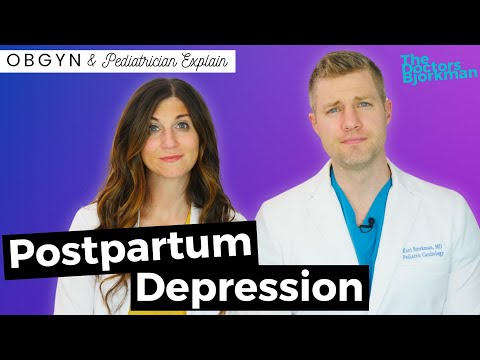
Postpartum depression is more common than you think. It’s not just feeling sad for a couple of days after giving birth. It can sneak up on you, making those early days with your new baby feel overwhelming.
So let’s chat about how to spot those signs. Because knowing what to look for can help you—or someone you love—feel better and get the support they need. It’s all about being real with yourself!
Exploring the Psychological Factors Contributing to Postpartum Depression: Insights and Implications
Postpartum depression (PPD) can be a heavy cloud hanging over new moms. The thing is, it’s not just a simple case of feeling sad. There are really deep psychological factors at play. Let’s break it down a bit.
First off, **hormonal changes** can hit you hard after giving birth. Right after delivery, there’s this massive drop in hormones like estrogen and progesterone. This fluctuation can mess with your mood big time. You might find yourself crying for no reason or feeling super anxious about your new little one. It’s wild how much chemistry in your body can influence how you feel emotionally.
Another layer to consider is the **pressure of motherhood**. Society often paints this picture of being a mom as all sunshine and rainbows, but that’s just not the reality for everyone. The expectations to be perfect can be overwhelming and lead to feelings of inadequacy or failure when things don’t go as planned.
And then there’s the **lack of sleep**—goodness! New parents often run on fumes, which can really take a toll on mental health. Sleep deprivation isn’t just about feeling tired; it can cause irritability and anxiety, making everything seem way harder than it actually is.
Additionally, let’s talk about the **loss of identity** many women experience after having a baby. Your whole world flips upside down when you bring a tiny human into the mix. You might feel like you’ve lost touch with who you were before becoming a mom, and that shift can create feelings of sadness or depression.
Social support plays a major role too—having people around who understand what you’re going through is crucial. Without that support network, you might feel isolated and alone in your struggles, which only fuels those depressive feelings further.
It’s also important to mention that some women may have **previous mental health issues**, which can resurface after childbirth. If you’ve dealt with anxiety or depression before pregnancy, you might find those feelings creeping back up during this transformative time.
Recognizing these signs is key for anyone dealing with postpartum blues:
- Crying spells that aren’t connected to an obvious trigger.
- Feelings of hopelessness or inadequacy as a mother.
- Anxiety about parenting decisions.
- Withdrawing from social interactions, including friends and family.
- Difficulty concentrating, even on simple tasks.
These factors highlight why understanding postpartum depression is so important—not just for those affected but also for friends and family who want to help out! Just knowing what someone might be going through makes it easier to offer support without judgment.
In short, PPD isn’t just some fleeting sadness; it’s complex and very real for many new mothers out there navigating this challenging journey called motherhood.
Understanding the Psychological Test for Diagnosing Postpartum Depression: A Comprehensive Guide
Postpartum depression (PPD) can hit new parents like a freight train. It’s more than just the baby blues; it can really shake you up. Recognizing the signs is crucial for getting help, and that’s where psychological tests come into play. So, let’s break it down together.
What is Postpartum Depression?
First off, postpartum depression isn’t just feeling sad after having a baby. It involves feelings of worthlessness, anxiety, and even anger. It can show up days or months after childbirth but often within the first year. Those feelings can really take a toll on your daily life and relationships.
Why Use Psychological Tests?
You might be wondering why there are tests for this stuff. Well, mental health isn’t always easy to read! Some people might not even realize they’re experiencing PPD, so structured tests help uncover what’s going on in their minds.
Common Psychological Tests for PPD
Several tools are used to diagnose PPD. Here are some key ones:
- The Edinburgh Postnatal Depression Scale (EPDS): This is a 10-item questionnaire that focuses on emotional well-being over the past week. Scores range from 0 to 30, with higher scores indicating more severe symptoms.
- The Patient Health Questionnaire-9 (PHQ-9): While not specific to postpartum women, this tool assesses general depression severity based on symptoms experienced over the past two weeks.
- The Postpartum Depression Screening Scale (PDSS): This one dives deep with 35 items focused on emotional and physical aspects of motherhood.
These tests can be self-administered or given by a healthcare professional.
How Do These Tests Work?
Basically, you’ll answer questions about your feelings and behaviors recently. For example, you might get asked how often you’ve felt hopeless or if you’ve enjoyed things that used to make you happy. Your answers help create a picture of your emotional state.
It’s kind of like putting together a puzzle. Each piece gives professionals insight into how you’re doing mentally.
The Scoring System
Once you’ve answered the questions, someone will score your responses. Different tests have varying cut-off scores that indicate whether further evaluation is necessary. A higher score doesn’t mean you’re «crazy»; it just means your feelings need more attention—nothing wrong with seeking help!
The Emotional Side
Okay, so let me hit pause here for a sec and tell you a quick story: A friend of mine had her first baby last year. She was overjoyed but also felt totally overwhelmed—she couldn’t enjoy moments because she was constantly anxious about everything going wrong. After several weeks of feeling down and tearful without knowing why, she took the EPDS test their doctor offered at her check-up—and boom! That light bulb moment helped her realize she wasn’t alone in all this craziness.
So yeah, psychological testing played an essential role for her in recognizing what she was actually dealing with.
Taking Action
Now that we understand these tests better, remember they’re just tools to help diagnose something deeper going on in your mind or someone else’s mind if you’re supporting someone close to you. If scores indicate PPD is present, it opens up discussions about treatment options like therapy or medication—whatever feels right!
Final Thoughts
Recognizing postpartum depression is crucial because it’s so easy for new parents to feel isolated in their struggles. These psychological tests aren’t scary; they’re actually a way to shine a light on what’s happening inside your head! Don’t hesitate – being open about mental health is super important for everyone involved!
When it comes to new parenthood, we often focus on the cute baby clothes and sleepless nights. But what many don’t realize is how some new moms really struggle after giving birth. I remember a friend who seemed so happy during her pregnancy. She was glowing, picking out nursery colors, and doing all the things you’d expect. But after her baby arrived, I noticed little changes that worried me.
Postpartum depression (PPD) isn’t just the “baby blues.” It can hit hard and look different for everyone. Some might feel overwhelmed with sadness or anxiety, while others might find themselves feeling really disconnected from their baby or even people around them. You know that feeling when everything just feels heavier? That’s kind of what it’s like for someone experiencing PPD.
One common sign is a sense of hopelessness or worthlessness. My friend would often say she felt like she wasn’t doing anything right, even when she was doing her best. She’d sit there with tear-filled eyes, holding her baby but feeling so distant—almost like she was watching from outside herself. That disconnection can be tough to spot because, on the surface, everything might seem fine.
Another sign could be irritability or anger that seems to come out of nowhere. My friend would go from laughing one minute to feeling really upset the next over something small—like a spilled cup of coffee or a crying baby that wouldn’t settle down. These mood swings were pretty scaring for her, and honestly for those around too.
Then there’s this deep sense of anxiety; it can be paralyzing! I remember one time she was convinced her baby would get sick just because they were outside for too long in a light breeze. The constant worrying can drain your energy before you even realize it’s happening.
Feeling isolated is huge as well; it’s like being in a crowded room yet feeling completely alone. A lot of women pull back from social situations when they’re dealing with PPD because they feel ashamed or think no one will understand what they’re going through.
So anyhow, recognizing these signs in yourself or in someone close to you is key—that awareness can make all the difference in getting support and treatment sooner rather than later. If something seems off, it’s always okay to talk about it! After all, being a new parent should involve joy and support—not just struggle alone in silence.