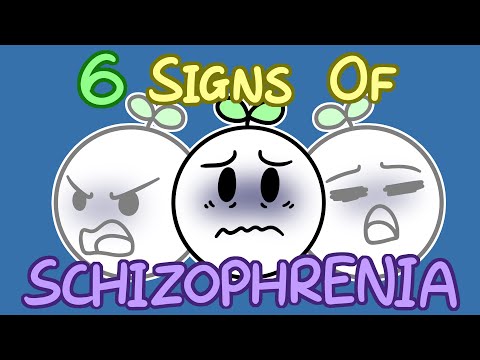
Alright, so here’s the deal. Schizophrenia is a term that gets tossed around a lot, but really understanding it? That’s a whole different ball game.
Imagine someone you know acting super out of character. One minute they’re totally themselves, and the next? It’s like they’ve stepped into another world.
That change can be really confusing. And maybe even a bit scary. You might find yourself wondering what’s happening under the surface.
So let’s chat about some signs and symptoms that can pop up if schizophrenia is in play. Knowledge is power, right?
Identifying the Symptoms of Schizophrenia: A Comprehensive Guide
Schizophrenia can be a tough nut to crack, you know? It’s more than just hearing voices or seeing things. People often get the wrong idea about it. Let’s break down the symptoms so you can spot them and understand what’s going on.
First off, schizophrenia symptoms usually fall into three main categories: positive, negative, and cognitive.
- Positive symptoms are like adding something extra that shouldn’t really be there. This includes hallucinations—like hearing voices that no one else hears—or delusions, which are strong beliefs in things that aren’t true, like thinking someone is plotting against you.
- Negative symptoms involve a lacking of normal functions. This might look like not showing emotions when it feels appropriate or withdrawing from social situations completely. You might see someone who used to love hanging out with friends suddenly not caring about relationships anymore.
- Cognitive symptoms hit harder in how someone thinks. This can mean trouble concentrating or having memory issues. For example, tasks that require focus become super challenging—like remembering what you just read in a book or keeping a conversation going.
Okay, here’s where it gets real. Imagine you have a friend who starts acting differently: they don’t talk much anymore or seem really flat emotionally—just kind of “there.” That could be a sign of those negative symptoms we talked about.
Plus, they might begin expressing strange thoughts or beliefs that seem way out there—like thinking they’re being followed by secret agents! Those are classic positive symptoms in action.
Another thing to watch for is disorganized thinking and speech. When you’re talking with someone who has this symptom, their thoughts may jump around so much it feels like they’re speaking a different language! It can make having a conversation super confusing.
People with schizophrenia often experience intense feelings of anxiety too. They might feel paranoid or believe others are watching them even when it’s not happening. It’s like living in constant fear for some folks.
So how do these symptoms show up? Well, let’s say someone used to love drawing but now doesn’t touch their sketchpad at all—that loss of interest could signal something bigger going on.
It’s also important to remember that these symptoms don’t just pop up overnight; they usually develop gradually over time. You might notice your friend slowly changing behaviors over months or even years before anything major happens.
In the end, if you ever suspect someone may be struggling with these kinds of issues—or even if it’s yourself—encouraging them to seek support from healthcare professionals is key! Early recognition and treatment can make all the difference in managing life with schizophrenia.
Just keep in mind: being informed helps reduce stigma and spreads understanding about mental health challenges like this one!
Understanding Schizophrenia Symptoms: A Comprehensive Guide to Recognition and Management
Understanding Schizophrenia Symptoms can be a bit tricky. It’s a complex mental health condition that affects how a person thinks, feels, and behaves. What happens is, the symptoms can vary widely from person to person. Here’s a rundown of the most common signs you might notice.
- Hallucinations: This means experiencing things that aren’t real. For example, someone might hear voices talking to them when no one else is around. It can feel super scary and confusing.
- Delusions: These are strong beliefs that don’t match reality. Like thinking that someone is plotting against you despite having no evidence at all. It’s like being trapped in your own mind.
- Disorganized thinking: This can show up as trouble organizing thoughts or connecting ideas. A person might jump from one topic to another in a conversation and others can struggle to follow along.
- Affective flattening: Sometimes people seem really withdrawn or emotionally flat. You might notice they don’t react much when something exciting happens or when bad news hits.
- Anhedonia: This means losing interest in things that used to bring joy. Picture someone who once loved painting but now finds it hard to pick up a brush.
So, like, recognizing these symptoms is just the first step. It’s not always easy because there’s still a lot of stigma surrounding mental health issues, which makes conversations about it tricky.
Now let’s talk about how these symptoms are typically managed:
- Therapy: Talking with someone trained—like a therapist—can be really helpful. They provide support and teach coping skills.
- Medication: There are antipsychotic medications often prescribed to help manage symptoms. Finding the right one can take time, though!
- A support system: Having understanding friends and family can make such a difference! Just knowing there are people who care helps you feel less alone.
For example, I know this guy named Alex who went through some tough times with schizophrenia symptoms early on in his twenties. He felt so isolated because he didn’t think anyone would understand what he was going through; he thought everyone would judge him! Luckily, after some encouragement from his family, he started therapy and adjusted his meds over time. He built this awesome support network with friends who really listened without judgment.
So yeah, if you suspect someone you know might be dealing with these symptoms—or if you’re feeling it yourself—it’s super important to reach out for help. The sooner you start talking about it openly and honestly, the better off everyone will be in finding understanding and managing what’s going on together!
Understanding Negative Symptoms of Schizophrenia: Causes, Effects, and Treatment Options
Understanding negative symptoms of schizophrenia can be a bit complex, but let’s break it down, okay?
Negative symptoms are basically the absence or reduction of normal emotional and behavioral functions. They can really impact how someone lives their day-to-day life. If you’ve ever felt emotionally flat or just unmotivated, you know how heavy that can feel.
What are Negative Symptoms?
So, negative symptoms include things like:
- Affective flattening: This means showing little to no emotion. Imagine talking to someone who looks like they just won the lottery but is as calm as a stone; it’s pretty puzzling.
- Anhedonia: This is a fancy term for not being able to enjoy things you used to love. Like, if your friend used to be super into video games and suddenly finds zero joy in them—that’s a big red flag.
- Avolition: It’s about lacking motivation. You know when you’re feeling lazy and don’t want to get out of bed? For someone with avolition, that can become a constant state.
- Social withdrawal: They might isolate themselves from friends or family. Ever had days where you just wanted your own space? Imagine that feeling stretched out for weeks or months!
- Difficulty in initiating tasks: Simple actions like getting dressed or making a meal can feel monumental.
Causes of Negative Symptoms
The causes aren’t exactly straightforward. Genetics play a role—if there’s schizophrenia in your family, there might be a higher chance of developing it yourself. Then there’s brain structure and function; certain areas may not work like they should in people with schizophrenia.
Environmental factors also come into play—stressful life events or trauma can trigger symptoms too. So, if you’re already dealing with a lot and then something major happens, that’s often too much for our brains.
The Effects
These negative symptoms can lead to significant problems in daily living. People might struggle with maintaining relationships because they seem distant or uninterested. Work could become tough too since getting motivated feels impossible.
Imagine having an important meeting but not even caring enough to prepare—it’s frustrating! And on top of that, feelings like loneliness and isolation creep in because social connections are hard when you’re emotionally shut off.
Treatment Options
Now, onto treatment—there’s hope! While treating negative symptoms can be tricky and varies from person to person:
- Mental health therapy: Therapies like cognitive behavioral therapy (CBT) help in rebuilding motivation and engagement with life.
- Medications: Antipsychotic meds mostly target positive symptoms (like hallucinations), but sometimes they help negative ones too.
- Psychoeducation: Knowing more about the illness helps both patients and families understand what’s going on and how to cope better.
- Sustained support groups:You’d be amazed at how much sharing experiences helps! It’s about connecting with others who get it.
The journey through schizophrenia isn’t easy at all—but recognizing these negative symptoms paves the way for understanding them better. You’re not alone in this struggle; many folks face similar battles every day. Just remember: slow and steady progress makes a difference!
You know, schizophrenia can be one of those topics that feels heavy. It’s like, when you hear the word, there’s this vibe of confusion and fear that comes with it. But really, understanding the psychological symptoms can shed light on what many people go through and maybe help those who are struggling to make sense of their experiences.
So, let’s break it down a bit. Schizophrenia isn’t just about hearing voices or seeing things that aren’t there. It goes way deeper than that. A lot of times, folks might experience disorganized thinking or even have trouble expressing their feelings. Imagine trying to communicate how you feel and just being stuck because your thoughts are all over the place—it’s frustrating, right?
I remember a friend once told me about a family member who had schizophrenia. He shared how this person would sometimes talk in ways that didn’t seem to connect at all—like jumping from one topic to another without any clear link. It must’ve been hard for them, feeling isolated or misunderstood in those moments.
Then there’s also the social withdrawal aspect. Picture feeling so overwhelmed by everything around you that you just want to retreat into your own space. This can create such a sad cycle where someone becomes more isolated because they’re afraid of how others perceive them. It’s a tough spot to be in.
Another symptom often mentioned is reduced emotional expression—like flat affect. You know when someone looks like they’re not really feeling anything at all? It could be their way of dealing with their inner struggle or even how they cope with anxiety about social interactions.
And let’s not forget about cognitive symptoms! These can mess with memory and attention too, which isn’t great for daily life or work situations. If you’ve ever tried to focus on something while your mind is racing, you’ll get what I mean!
The thing is, recognizing these symptoms isn’t just about labeling someone as having schizophrenia; it’s more like opening a door to understanding what they might need emotionally and socially. People experiencing these symptoms feel real pain and confusion but also have the capacity for connection and growth if given support.
So yeah, instead of letting fear dictate our understanding of schizophrenia, why not approach it with curiosity? Let’s listen to folks’ stories and remember there’s always more than meets the eye when it comes to mental health issues.