You know how sometimes you just feel… off? Like, you can’t quite put your finger on it, but everything seems a bit gray? Yeah, that feeling is more common than you might think.
Major depression isn’t just about feeling sad. It’s like this heavy fog that rolls in and makes everything seem a bit tougher. Getting out of bed? Sometimes feels impossible. Enjoying your favorite hobby? Not so much anymore.
And it’s not just the big stuff either. Those little signs—like losing interest in things you love or feeling really tired all the time—can sneak up on you.
So, let’s talk about what to look for when it comes to major depression. You’re not alone in this, and recognizing the signs can be a crucial first step toward feeling better.
Understanding the Four Key Causes of Depression: Insights and Implications
So, let’s talk about depression for a bit. It’s not just about feeling sad; it’s like this heavy fog that can creep in and make everything feel dull and overwhelming. Understanding what causes it can really help you or someone you care about recognize those signs. Here are the four key causes of depression:
- Biological Factors: This is all about your body and brain chemistry. Sometimes, it can be genetic; if someone in your family has struggled with depression, you might be at a higher risk too. Plus, neurotransmitters—the chemicals that help transmit signals in your brain—can play a huge role here.
- Psychological Factors: How we think influences how we feel. If you’ve got a habit of negative thinking or maybe experienced trauma, it can really mess with your mood. Imagine going through something tough as a kid; those experiences can leave deep imprints on how you process feelings as an adult.
- Environmental Factors: Your surroundings matter big time! Stress from work, relationship troubles, or financial woes can trigger depressive episodes. It’s like trying to carry this huge backpack filled with rocks—eventually, it’s going to weigh you down.
- Social Factors: Humans are social beings; we thrive on connections. Feeling isolated or lacking support from friends and family can lead to feelings of worthlessness or loneliness, which are common in depression.
You know what’s interesting? These factors often don’t work alone; they usually intertwine. For instance, stress from work (environmental) combined with negative self-talk (psychological) might hit harder if there’s also a family history of depression (biological). It’s like stacking blocks—one little push and everything tumbles down.
If you’re seeing symptoms like fatigue, lack of interest in activities that once brought joy, or changes in sleep patterns, that could be your brain waving a red flag saying something’s off. Recognizing these signs is crucial because early intervention makes a world of difference!
The implications here are pretty clear: understanding these causes helps us take steps towards healing—whether through seeking support or exploring coping strategies that fit our individual needs.
The bottom line? Depression isn’t one-size-fits-all. It’s complex but knowing these key causes gives you insight into navigating through those dark times with more clarity and hope.
Understanding Depression Tests: Legal Insights and Guidelines for Compliance
I get it, understanding depression tests can be a bit of a minefield, especially with all the legal mumbo jumbo floating around. So let’s break it down in simple terms, you know?
First off, depression itself is a serious mental health condition that can affect various aspects of your life. It’s not just about feeling sad for a day; it’s more like being stuck in a fog that won’t clear. Recognizing the signs is crucial, and that’s where depression tests come into play.
What Are Depression Tests?
These are structured assessments designed to help identify symptoms of depression. They can be questionnaires or interviews that ask about your feelings and behaviors over time. The most common ones include the Beck Depression Inventory (BDI) and the Patient Health Questionnaire (PHQ-9). Basically, they help evaluate how you’re doing mentally.
Why Do We Need Legal Guidelines?
Now, here’s where the legal part comes in. It’s super important for healthcare providers to follow certain guidelines when administering these tests. This ensures accuracy, protects patient confidentiality, and upholds ethical standards. If you think about it, no one wants their personal struggles splattered all over social media or misused by anyone.
And let’s not forget the need for informed consent! Patients should always know what they’re signing up for before taking one of these tests—like knowing how results will be used and who will see them.
Compliance Considerations
Here are some points related to compliance you might find helpful:
- Confidentiality: Your personal information must remain private. Providers should have secure systems in place.
- Informed Consent: You have to agree to take the test after being told what it involves.
- Cultural Sensitivity: Tests should take into account cultural differences to avoid bias and ensure fairness.
- Accuracy: Providers must choose reliable tools that accurately measure depression symptoms.
Oh, and here’s an emotional nugget to chew on: Imagine someone close to you struggling silently with depression but never taking that first step because they didn’t feel safe talking about it—or getting tested. It really drives home how important these guidelines are, doesn’t it?
In summary (not that we’re wrapping up just yet!), understanding depression tests involves knowing what they are, why there are legal requirements around them, and what compliance looks like. It all boils down to ensuring safety for those seeking help while keeping their rights intact.
So yeah! If you’re ever faced with feeling low or suspecting someone else might be going through it, just remember: those tests are there for good reasons—your mental health matters!
Comprehensive Guide to Depression Treatment: Effective Strategies and Legal Considerations
Depression can be a heavy topic, but it’s important to understand what it is and how it can be treated. You know, recognizing the signs of major depression is the first step toward getting help. People often think it’s just feeling sad, but it’s way more complex.
What Depression Looks Like
So, major depression can show up in various ways. You might notice:
- Persistent Sadness: It sticks around for longer than just a few days.
- Lack of Interest: Stuff that used to make you happy suddenly feels dull.
- Changes in Sleep: You either can’t sleep or you sleep too much.
- Fatigue: You feel tired all the time, even with plenty of rest.
- Difficulty Concentrating: Focus? What’s that? It can be a struggle to keep your mind on track.
Think about someone you know who’s been going through a tough time. Maybe they used to love hanging out with friends and now they barely leave their room. That shift is a big red flag.
Treatment Options
Alright, so if you or someone you care about recognizes these signs, what next? Here’s where treatment options come into play. There are several effective strategies:
- Therapy: Talking things out with a professional can really help. Cognitive Behavioral Therapy (CBT), for example, focuses on changing negative thought patterns.
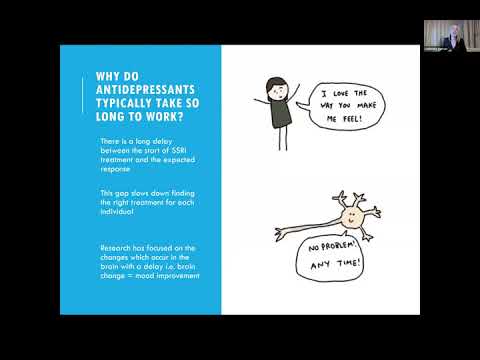
- Meds: Antidepressants like SSRIs might be prescribed by doctors. They help balance chemicals in your brain that affect mood.
- Lifestyle Changes: Regular exercise and a balanced diet can improve overall wellbeing. Even getting out for a short walk helps!
- Mindfulness and Relaxation Techniques: Practices like meditation or yoga can reduce stress and promote better emotional health.
Imagine sitting down with someone who really listens—like having coffee with a friend who just gets it. That’s what therapy can feel like!
Legal Considerations
Now, let’s touch on something not everyone thinks about: legal aspects related to depression treatment. It isn’t just about feeling better; there are rights and regulations you should know:
- Your Rights: Under laws like the Americans with Disabilities Act (ADA), mental health conditions are considered disabilities that deserve accommodation in workplaces.
- Insurance Coverage:: Many insurance plans cover mental health treatments now more than ever—so that’s worth checking if cost is a concern!
- Status at Work or School: If you’re struggling significantly, asking for accommodations might help you manage better—like extra time for assignments or flexible hours at work.
It feels empowering to know your rights when tackling mental health issues!
A Final Thought
In the end, dealing with major depression doesn’t have to be done alone. Recognizing those crucial signs is key to getting started on the right path toward recovery and understanding options available makes all the difference.
So next time you see someone being distant or withdrawn—even yourself—remember that reaching out could lead to positive change!
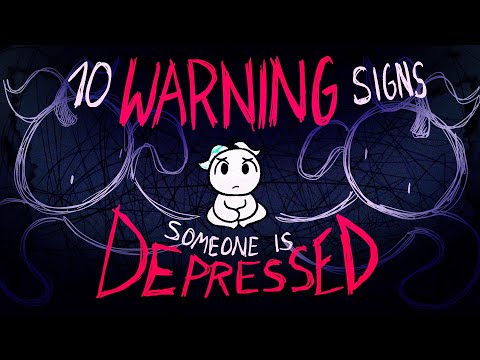
Sometimes, it can be tough to figure out if you or someone you know is dealing with major depression. It’s not just feeling sad or having a bad day—nope, it’s way deeper than that. So let’s chat about some of those critical signs that might pop up.
Imagine a friend who used to light up every room they entered. They’d laugh, joke, and seem genuinely happy. But then one day, things change. They stop reaching out, avoid social gatherings, and even ignore texts from close friends. That kind of withdrawal? It can be a red flag.
Another biggie is the mood swings. You know how sometimes you feel cranky or irritable? Well, in major depression, those feelings become more intense and last longer. It isn’t just a short temper; it’s like walking around with an emotional cloud overhead, making everything seem bleak and hopeless.
And then there’s that loss of interest in activities that once brought joy—like hobbies or hanging out with pals. If someone suddenly stops playing their favorite video game or loses the urge to binge-watch those shows they loved? That could be a sign something deeper is going on.
Sleep patterns also change significantly when depression kicks in. Some people become insomniacs—tossing and turning all night—while others might sleep way too much as a way to escape reality. Both extremes are concerning.
Oh, and let’s not forget about changes in appetite! Some might overeat as comfort food becomes their best friend; meanwhile, others could completely lose their appetite. Before you know it, simple tasks like eating or getting out of bed feel overwhelming.
Ultimately though, no one has to go through this alone! Recognizing these signs isn’t just about labeling someone; it’s about understanding what they’re going through and offering support if needed. Just being there for them can really make a world of difference!