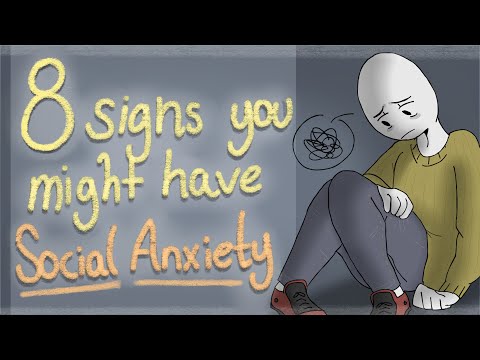
You know the feeling. Your heart races, palms get sweaty, and you suddenly forget how to speak when everyone’s eyes are on you. It’s like the world shrinks, and all you can think about is escaping.
Social anxiety is more common than you’d think. Some people feel it before giving a presentation at work, while others dread just going out with friends. It can sneak up on you and start messing with your life in ways you might not even notice at first.
Recognizing those symptoms is key! So let’s chat about what social anxiety disorder really looks like. You might find some things sound familiar…
Effective Strategies for Overcoming Social Anxiety: A Comprehensive Guide to Treatment Options
Social anxiety can feel like a heavy weight that keeps you from fully enjoying life. It makes situations like parties, meetings, or even simple chats seem daunting. So, let’s explore some effective strategies to help you overcome social anxiety and lead a more fulfilling life.
Recognizing Symptoms is key. You might notice things like an intense fear of being judged or embarrassed in social situations. Your heart races, palms sweat, and you might want to disappear every time someone looks your way. That feeling can make everyday activities feel super challenging.
Cognitive Behavioral Therapy (CBT) is often one of the go-to approaches for tackling social anxiety. This therapy focuses on changing negative thought patterns. For instance, instead of thinking “everyone is judging me,” CBT helps you see that people are often too busy with their own lives to really care about your mistakes.
You could also consider exposure therapy. It involves gradually facing your fears in a controlled way. Imagine starting with small interactions—maybe saying hello to a neighbor—and working your way up to larger gatherings. It’s kind of like training for a marathon; you wouldn’t start with 26 miles right away!
Mindfulness techniques can be super helpful too. They teach you how to stay grounded in the moment rather than getting lost in anxious thoughts. Simple practices like deep breathing or focusing on your senses during stressful moments can help calm those racing thoughts and bring you back to the here and now.
Consider trying support groups. Being around others who understand what you’re going through can really lighten the load. Sharing experiences and strategies feels empowering and might even make you feel less alone in this journey.
Some people find that medications work for them as well, especially when paired with therapy. Consult with a healthcare professional who can guide you on this option if it seems fitting.
Finally, remember that overcoming social anxiety is a process—it won’t happen overnight! Set small goals for yourself, celebrate your little victories along the way, and don’t be too hard on yourself when things don’t go perfectly.
- Recognizing symptoms: Fear of judgment, physical symptoms like sweating.
- Cognitive Behavioral Therapy: Changing negative thought patterns.
- Exposure Therapy: Gradually facing fears.
- Mindfulness Techniques: Staying grounded; practicing deep breathing.
- Support Groups: Sharing experiences with others.
- Medication: Consulting professionals for treatment options.
So there ya have it! Social anxiety isn’t something you have to live with forever. With the right tools and support, it’s totally possible to regain confidence and enjoy social interactions again!
Exploring Effective Treatments for Social Anxiety: Is a Cure Possible?
Social anxiety disorder can feel like you’re stuck in a big, scary crowd where everyone’s watching you, and you just want to disappear. You might sweat, shake, or even feel sick at the thought of speaking up or eating in front of others. It’s not just shyness; it’s a persistent fear that can really mess with your everyday life. So, what can we do about it?
Recognizing Symptoms is the first step. You might experience rapid heartbeat, trembling hands, or an overwhelming urge to flee social situations. Sounds familiar? If you’ve ever been at a party feeling like everyone’s staring at you while your heart races, you’re not alone.
Now, let’s talk about treatments. The good news is that there are effective ways to tackle social anxiety. Here are a few options people find helpful:
- Cognitive Behavioral Therapy (CBT): This is a talking therapy that focuses on understanding and changing negative thought patterns. Imagine your brain’s like a messy room—you gotta tidy it up! For example, if you think everyone is judging you when they laugh, CBT helps challenge that idea.
- Exposure Therapy: Basically, this involves gradually facing your fears in real-life scenarios. Let’s say you dread public speaking; exposure therapy would involve starting small—maybe just talking to one friend about your weekend and slowly building up from there.
- Medication: Sometimes doctors suggest medication to help manage symptoms—like antidepressants or anti-anxiety meds. It doesn’t “cure” social anxiety but can make it easier to engage in therapy and face those fears.
- Support Groups: Sharing experiences with people who totally get what you’re going through can be comforting! Plus, it helps reinforce that you’re not alone in all this.
- Mindfulness and Relaxation Techniques: Practices like yoga or meditation can be super helpful too! They bring down those stress levels and help calm the mind when facing social situations feels like climbing Mount Everest.
So here comes the big question: Is there a cure? Well, it’s tricky. For some people, they may find that after treatment—whether it’s therapy or medication—they feel completely back to normal and totally capable of handling social interactions without fear. Others might still experience anxiety but learn to manage it better.
It really varies person by person! Like my friend Sarah who used to dread every party but after trying CBT and joining a support group found she could actually enjoy herself without sweating bullets.
Overall, dealing with social anxiety is very much about finding what clicks for you individually because everyone’s journey is different. Just remember: it might be tough now but there are ways out there to help shine some light on those dark feelings!
Comprehensive Social Anxiety Test: Understand Your Feelings and Improve Your Well-Being
Social anxiety can feel like a heavy backpack you’re carrying around, and it’s not easy to shake off. If you find yourself feeling overwhelmingly anxious in social situations, you’re not alone—many people deal with similar feelings. Let’s unpack this a bit and explore how to recognize those symptoms.
What is Social Anxiety?
Social anxiety, or social anxiety disorder, is much more than just shyness; it can really interfere with daily life. It’s that sinking feeling when you’re about to speak in class or attend a party. You’ve probably felt your heart race or palms sweat in such moments. I once saw my friend panic before giving a speech. She knew her stuff but was terrified of being judged. That kind of fear? Totally understandable!
Common Symptoms
Here are some typical symptoms that might indicate social anxiety:
- Intense fear of being judged: Like worrying constantly about what others think of you.
- Avoidance: Skipping events or activities to dodge uncomfortable situations.
- Physical reactions: Sweating, trembling, and even stomachaches when faced with social interactions.
- Nervousness: Feeling shaky or having difficulty speaking when meeting new people.
These feelings can create a cycle that’s tough to break—avoiding situations reduces anxiety temporarily but increases fear for the next time.
The Emotional Rollercoaster
Experiencing anxiety in social settings can trigger all sorts of emotions. You might feel isolated and frustrated because it seems like everyone else is having an easier time connecting with others. It’s important to remember those feelings are valid! I once had coffee with someone who revealed they often felt completely invisible at gatherings despite being surrounded by friends. Can you relate?
The Impact on Daily Life
So, how does this anxiety affect your day-to-day activities? Well, it can lead to missed opportunities—like not pursuing that job interview because the thought of talking in front of people was too much pressure. Or maybe you’ve backed out of invitations because just the idea of mingling made your stomach churn.
Coping Strategies
Understanding your feelings can help improve well-being though! Here are some strategies that could help:
- Practice mindfulness: Techniques like deep breathing can ground you when you feel overwhelmed.
- Tackle small challenges: Start by chatting with someone while waiting in line—it’s low-stakes!
- Soothe negative thoughts: Challenge those thoughts by asking if they’re really true.
Real change takes time, but taking tiny steps can lead you closer to feeling more comfortable in your skin.
In wrapping this up (not too tightly!), understanding social anxiety is key to managing it better. The more aware you are of what you’re feeling, the better equipped you’ll be to face those tough moments head-on! Everyone’s journey looks different; just know you’re not walking alone on this path.
Social anxiety disorder, or social phobia, can be a pretty heavy thing to carry around. It’s more than just feeling shy or nervous in social situations; it’s like that tight knot in your stomach and the racing heart that shows up whenever you think about dealing with people. I remember a friend of mine, who was super talented at art but would freeze whenever it was time to show their work at a gallery. They’d sweat bullets just thinking about talking to people and sharing their creations. It was heartbreaking to see how paralyzed they felt in those moments.
So, let’s talk about some signs that might hint at social anxiety disorder. You know how some people avoid parties or gatherings? That could sometimes be a way of coping with overwhelming fears of judgment or embarrassment. Maybe you’ve noticed someone constantly avoiding eye contact or mumbling during conversations, almost as if they’re trying to blend into the wallpaper. It’s not always easy to spot these signs if you’re not looking for them.
Another thing is this intense worry about upcoming social events, often days or even weeks in advance. Like, ever found yourself replaying conversations over and over in your head? Yeah, that’s familiar territory for someone struggling with this. The fear of being scrutinized can lead people to overthink every little detail—what they’re wearing, what they’ll say, how they’ll come across.
Then there are physical symptoms too—racing heartbeat, sweating, trembling—those pesky reactions that your body seems to throw at you without warning! Imagine standing in front of a crowd feeling your hands shake uncontrollably while you try your best to sound confident. It can feel totally isolating when all you want is just to connect with others without that looming cloud of anxiety hanging over your head.
And here’s the kicker—it doesn’t just stop at big events; even everyday interactions can become daunting: ordering food at a cafe feels like climbing Mount Everest! The list goes on and on…
I guess recognizing these symptoms is really crucial because it helps create empathy and understanding—not just for folks dealing with social anxiety but also for us as friends and family who want to support them better. Sometimes it’s just about knowing that it’s okay not to fit the mold of «social butterfly.» Everyone has their battles; it’s just important we keep talking about them so no one feels alone while navigating through it all.