Hey, let’s talk about stress, shall we?
You know that feeling when you’re just trying to get through the day, but something feels off? Your heart might be racing, or you’re snapping at your friends for no reason. Yeah, that’s stress creeping in.
It’s sneaky like that. Sometimes it hides behind a headache or a grumpy mood. You think you’re just having a rough day, but it might be a bit more than that.
Recognizing those little signals can be super helpful. It’s not about overthinking everything; it’s more like tuning into your own vibes when life gets hectic. So, let’s break it down together—what to look for and how to handle it!
Recognizing Psychological Signs of Stress: Key Indicators and Insights
Recognizing stress can be tough, especially when it sneaks up on you. Sometimes, you might feel overwhelmed but not even realize it’s stress causing it all. So, let’s break down some common psychological signs of stress that can pop up in your daily life.
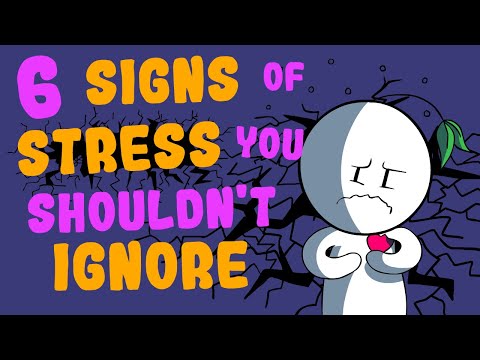
1. Changes in Mood: You know those days when everything annoys you? Or when you feel a bit more weepy than usual? Stress can mess with your emotions, making you irritable or just plain down. It’s like riding a rollercoaster without the fun!
2. Trouble Sleeping: Stress often comes knocking at bedtime. Ever laid wide awake, mind racing through a million thoughts? That restless feeling can be a telltale sign of stress creeping in. You want to rest, but your brain is like a toddler on sugar!
3. Difficulty Concentrating: Notice how sometimes tasks that were easy suddenly feel impossible? Stress can fog up your brain like a car windshield on a cold morning! You might find yourself zoning out during conversations or making silly mistakes at work.
4. Increased Anxiety: Do you catch yourself worrying about stuff more than usual? Maybe overthinking every little thing? This heightened sense of anxiety is often your mind’s way of reacting to stress.
5. Social Withdrawal: When life gets heavy, it’s common to retreat from friends and family. If you’re skipping gatherings or dodging calls, that could be your stress talking—isolating you because it feels easier than dealing with everything head-on.
6. Physical Symptoms: Sometimes stress doesn’t just play with your head; it shows up in other ways too! You might get headaches, stomachaches, or even muscle tension as if your body is shouting for help but no one is listening.
So here’s the thing: recognizing these signs early on can help you take action before they gather steam and become bigger issues. Maybe take some time for yourself or talk to someone who gets it—whatever helps lighten the load looks different for everyone.
Stress isn’t just “in your head.” It has real effects on how we think and feel every day. The key is being aware and checking in with yourself regularly to see how you’re doing mentally and emotionally!
Understanding the Physical Symptoms of Stress: A Comprehensive Guide
Stress is such a common part of life, right? We all experience it in different ways. It’s not just about feeling overwhelmed mentally; it can mess with our bodies too. Recognizing those physical symptoms of stress can really help you manage it better.
Headaches are one of the classic signs. When things get too hectic, your neck and shoulders tense up, which can lead to those annoying tension headaches. Ever noticed that tight feeling creeping in when you’re swamped with work? Yeah, that’s stress sending you some pretty clear signals.
Then there are stomach issues. It’s kind of wild how your gut reacts to emotions. Stress can manifest as nausea, diarrhea, or even constipation. Anyone who’s felt “butterflies” before a big event knows what I’m talking about! You might even find yourself rushing to the bathroom after a stressful meeting.
Another common symptom is muscle tension. Ever catch yourself clenching your jaw or hunching your shoulders? Your body is basically saying, “Hey, I’m not cool with this!” This ongoing tension shows up in places like your back and neck too. If you’re always stiff and sore, stress could be the culprit.
Let’s talk about sleep problems—seriously frustrating! Stress can lead to insomnia or restless nights where you keep tossing and turning. When you’re stressed out, your mind races at night instead of winding down for sleep. It’s like trying to relax in a room full of buzzing bees!
And don’t forget about changes in appetite. Some folks find themselves snacking non-stop when they’re stressed while others lose their desire to eat altogether. It’s like that emotional connection to food goes haywire—what once comforted you now feels overwhelming.
Fatigue is another key indicator. You could be getting enough sleep but still feel completely zapped of energy. That’s because stress can wear you out mentally and physically! Imagine dragging yourself through the day while feeling like a zombie—that’s no fun.
Lastly, let’s mention heart palpitations. Your heart might race unexpectedly or feel like it’s pounding out of your chest during stressful situations. This isn’t just nerves; it’s part of your body gearing up for fight or flight mode.
In summary, being aware of these physical symptoms—like headaches, stomach issues, muscle tension, sleep problems, appetite changes, fatigue, and heart palpitations—can help you recognize when stress is kicking in. Acknowledging these signals allows you to take action before things spiral outta control! So next time you’re feeling off physically after a crazy day at work or during tense moments at home, pay attention; it might just be stress wearing its ugly head.
Understanding the Emotional Symptoms of Stress: Insights and Strategies for Relief
Understanding the Emotional Symptoms of Stress is crucial because, honestly, stress can just sneak up on you and hit hard when you least expect it. So, what are the emotional signs that you might be feeling stressed? Well, let’s break those down.
Firstly, do you ever notice an overwhelming sense of anxiety? You know, that feeling when your heart races for no apparent reason? It’s like your mind is running a marathon while your body is just trying to relax. This kind of anxiety can make even small tasks feel impossible.
Then there’s frustration or irritability. You might snap at someone over something trivial—like spilling coffee or their choice of music. Look, we all have bad days, but if you’re constantly on edge or irritated with others, it could be a stress signal. It’s like your patience meter runs out faster than ever.
Feeling sad or hopeless? That’s another key emotional symptom. When stress weighs you down, it can create a cloud of gloom over your thoughts. You might feel like nothing will improve or that you’re stuck in a rut. That feeling of hopelessness can really mess with your motivation.
And let’s not forget about overwhelm. Sometimes everything feels like too much. You glance at your to-do list and it seems endless—like you’re drowning in tasks with no way out! This sense of chaos in your mind can lead to serious emotional fatigue.
So what can you do about it? Here are a few strategies:
- Practice mindfulness: Just take a moment to breathe deeply and focus on the present. Seriously! Even five minutes can help calm racing thoughts.
- Talk about it: Sharing how you feel with someone close can lighten the load. Think about how good it feels to vent sometimes!
- Engage in physical activity: A brisk walk or hitting the gym can boost endorphins—those little happiness hormones we all love.
- Pursue hobbies: Engaging in activities that bring joy can distract from stressful thoughts and recharge your emotional batteries.
Here’s a quick story: My friend Sam was always super laid-back until work got nuts because they were short-staffed. One day he called me up feeling overwhelmed. I encouraged him to take breaks and go for walks outside during lunch instead of working through them. It didn’t fix everything overnight but slowly made his moods lighter.
Stress isn’t just a mental thing; it echoes through our emotions too and recognizing these signals is key to managing it better! Remember, everyone deals with stress differently; the trick lies in finding what works for you personally!
You know that feeling when everything seems to pile up, and you just can’t seem to catch a break? Stress has a way of creeping into our lives without us even realizing it sometimes. Recognizing those psychological signals, though, is like having a little alarm system in your head. It’s kinda crucial when you’re navigating through daily life.
Think about a time when you felt overwhelmed—maybe it was during finals week or while planning an event. Suddenly, you’re snapping at friends over small things or feeling anxious about decisions. That’s stress sending out its signals! Those moments are often the first hints that something’s off within you.
So, what should you look out for? Well, signs like irritability or mood swings are pretty common. You might be quick to lose your cool about stuff that normally wouldn’t bother you. Or maybe you’re feeling anxious and find it hard to focus on anything because your mind is racing. It’s like trying to watch a movie with an annoying static sound in the background—it just doesn’t work.
And let’s not forget about physical signals! Sometimes the stress doesn’t just mess with your thoughts; it shows up in your body too. You might notice headaches or muscle tension—you know, that tight feeling in your shoulders that’s basically begging for some attention? Those little aches can really add up over time.
It’s also worth mentioning how our sleep patterns get involved. Are you tossing and turning at night? Or perhaps sleeping way more than usual? Both are classic signs that stress is hanging around uninvited.
But here’s the kicker: recognizing these signals is all about being in tune with yourself and your feelings. Taking a moment—even just a minute—to check in can make all the difference. When you notice these changes, it’s like putting on glasses for the first time; suddenly, everything becomes clearer.
I remember once I had this huge deadline at work, and I totally ignored my body’s cues for days. It wasn’t until I snapped at my best friend over something silly that I realized how stressed I really was! Sometimes we need those wake-up calls to remind us to take a step back and breathe.
So yeah, keeping an eye on those psychological signals of stress is super important if we want to keep our heads above water amidst life’s chaos! Being aware means we can take action sooner rather than later—whether it’s through relaxation techniques or just giving ourselves some grace during tough times!