Hey there! So, we’ve all been there, right? The job is stressing you out. And it’s not just the workload—sometimes, it creeps up on you in ways you might not even notice at first.
You know those days when you feel like you’re just dragging your feet? Or maybe your mind’s racing a mile a minute for no good reason? That could be stress waving its little flags.
Well, spotting workplace stress isn’t always easy. It can show up in sneaky ways, messing with your head and your mood. And honestly, who wants that?
Stick around as we chat about those psychological symptoms to keep an eye out for. Let’s tackle this thing together!
Identifying Symptoms of Workplace Stress: A Guide for Employees and Employers
Workplace stress is something we all deal with at some point. It can creep up on you like a sneaky cat and, before you know it, you’re juggling stress like it’s a hot potato. Recognizing the symptoms can make a world of difference, both for employees and employers. Let’s break this down.
Physical Symptoms
First off, physical signs are super common. You might notice headaches that don’t seem to go away or an upset stomach that kicks in right before a big presentation. It’s like your body is throwing a tantrum! Other signs include:
- Fatigue—feeling tired all the time?
- Tension in your neck or shoulders—ever feel like you’re carrying the weight of the world?
- Changes in sleep patterns—maybe you can’t sleep at all, or you’re sleeping way too much.
Emotional Symptoms
If you feel irritable, anxious, or just plain sad for no real reason, stress might be to blame. When things get overwhelming, your emotions can take a rollercoaster ride. Watch out for:
- Feeling easily frustrated with coworkers.
- A loss of interest in your work—suddenly it feels dull and unexciting.
- A sense of hopelessness about meeting deadlines.
Cognitive Symptoms
This is where it gets interesting! Stress can mess with your brainpower. You might find it hard to concentrate, and decisions that used to be easy now feel daunting. Signs include:
- Frequent forgetfulness—you know, misplacing your keys almost every day.
- Poor judgment on tasks that require focus—all those small mistakes adding up.
- A constant feeling of being overwhelmed—even simple tasks seem Herculean!
Behavioral Symptoms
How about how stress shows up in what we do? This is key! If you notice changes in behavior, keep an eye out for these:
- Irritability may lead to conflicts with colleagues—you snap more often than usual!
- A shift in eating habits; maybe you’re snacking way more or completely losing your appetite.
- An increase in absenteeism—calling in sick more often? Not feeling motivated to show up?
Employers should also keep an eye on their team’s morale and well-being. Regular check-ins can really help spot these symptoms early on. And employees? Speak up! If something doesn’t feel right, there’s no shame in reaching out for help or just sharing how you feel.
The bottom line? Recognizing workplace stress early can prevent bigger problems down the road, improving productivity and overall job satisfaction. So let’s keep communicating and look out for each other!
Understanding the Five Psychological Symptoms of Stress: Insights and Implications
Stress is something we all deal with, especially at work. It’s easy to overlook the signs of stress in ourselves or our colleagues. So, let’s break down the five psychological symptoms of stress and why they matter.
1. Anxiety: You know that feeling when your chest tightens and your brain races? That’s anxiety creeping in. It often manifests as a constant worry about deadlines or job performance. You might find yourself overthinking conversations or replaying scenarios in your head. It’s exhausting, right?
2. Irritability: Stress can really make you short-tempered. What used to roll off your back suddenly feels like a personal attack from everyone around you. Little things—like a coworker asking for help—can spark an unexpectedly loud reaction. This can create tension in the workplace, so it’s important to be aware of how you’re responding.
3. Difficulty Concentrating: Ever try to focus on a task but find your mind wandering off? This is super common when you’re stressed out. Your thoughts might jump from one thing to another, making it tough to complete assignments. And then there’s that nagging sensation that you’re falling behind, which only adds fuel to the fire.
4. Fatigue: Stress can be draining—emotionally and physically! You might feel tired even after getting enough sleep, simply because your mind is working overtime processing all this stress. It can feel like you’re dragging through the day just trying to keep your eyes open.
5. Feelings of Being Overwhelmed: When everything piles on top of each other, it can feel like you’re drowning in responsibilities and expectations. You might think “How am I ever going to get all this done?” That sense of being overwhelmed often leads people to struggle with time management too.
So here’s the thing: recognizing these symptoms early on is crucial. It lets you take steps before stress spirals out of control and becomes more harmful, not just for you but also for those around you at work.
You don’t have to battle these feelings alone; talking about them with friends or colleagues can help lighten the load a bit too! Understanding stress isn’t just about knowing what’s wrong; it’s about finding ways together in handling it better at work and beyond.
Understanding Burnout Symptoms: Key Signs and Legal Implications for Workers
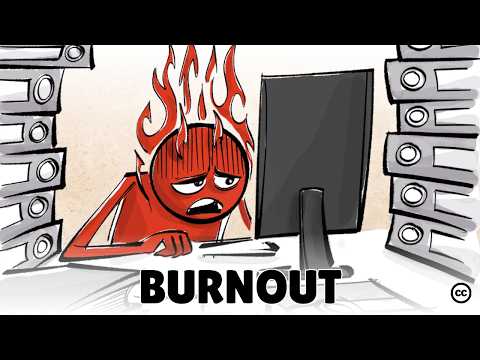
Burnout can feel like a heavy fog that rolls in and makes everything look gray. It’s that feeling of being completely drained, like you’ve run a marathon but haven’t even left your desk. When we talk about burnout, we’re usually referring to prolonged stress that leads to physical and emotional exhaustion, diminished performance, and feelings of cynicism towards your work. It’s something that a lot of people experience, especially in high-pressure jobs.
Key Symptoms of Burnout
Recognizing the signs of burnout isn’t always easy. You might first notice some symptoms creeping in slowly:
- Emotional Exhaustion: You’re just tired. Not just «I need more coffee» tired, but bone-deep exhausted. Just thinking about work can overwhelm you.
- Cynicism: You might start feeling negative about your job or coworkers. Things that used to excite you now seem pointless.
- Reduced Performance: Tasks that once felt manageable suddenly feel monumental. You struggle to focus or get things done.
- Physical Symptoms: Burnout can manifest as headaches, stomach issues or even chronic pain. Your body keeps track of all that stress!
- Status Quo Coping: To cope, you might find yourself checking out mentally—like going through the motions without actually being present.
So think back—have you ever sat at your desk staring blankly into space while deadlines loom? Yeah, it’s tough!
The Legal Implications
Now let’s shift gears a bit because it’s not just about how burnout affects **you**—there’s also a legal side to consider when it comes to workplace stress.
For one thing, employers have responsibilities under labor laws to maintain a safe working environment. If the pressure is so intense it’s affecting mental health, they could be held accountable for not addressing these issues.
In some places, workers are protected under laws that recognize mental health conditions as valid concerns in the workplace. This means if you’re struggling with burnout and it impacts your ability to perform tasks safely or effectively, you may have grounds for protections or accommodations.
However, proving burnout can be tricky because there’s no clear test for it like there is for physical injuries or illnesses—it’s often subjective and personal from one person to another.
Taking Action
If you’re feeling burnt out, it can help to speak up—even if it’s scary! Maybe talk with someone at work about how you’re feeling or seek support from HR if needed. The vast majority of companies care about their employees’ well-being (at least they should!).
And hey, if things don’t improve? You’re not alone! Many workers feel pressured not to show weakness by discussing mental health issues. But placing emphasis on self-care is crucial here: setting boundaries and knowing when to hit pause are super important steps toward recovery.
In short: recognizing burnout signs is key so you can take action before hitting rock bottom—and knowing your rights could make a real difference along the way! It’s all connected: your mental health influences your work life just as much as any other factor does.
You know, workplace stress can really sneak up on you sometimes. One moment you’re cruising along, and the next, it feels like you’re drowning in a sea of deadlines and demands. I once had a colleague who was always upbeat and cheerful. Then one day, he just seemed off—snapping at everyone and dragging his feet at work. It wasn’t long before we found out he was completely overwhelmed.
So, how do you actually recognize when stress is creeping in? Well, first off, your mood can take a nosedive. You might find yourself feeling irritable or anxious for no clear reason. Like, instead of enjoying your morning coffee, you’re just focused on the mountain of tasks ahead. Feelings like that can lead to serious burnout if they go unchecked.
Then there’s that lovely tension that builds up in your body. Maybe your shoulders are perpetually tight, or you’ve got that nagging headache that won’t quit. Stress has this funny way of manifesting physically; it’s almost like your body is trying to tell you something’s not right.
And don’t forget about sleep! Seriously; if you’re tossing and turning at night because your mind won’t shut off or you’re waking up way too early with racing thoughts, that’s a huge red flag. It’s exhausting! Not getting enough quality sleep affects everything—your focus, mood, even how friendly you are with coworkers.
Another thing to watch for is difficulty concentrating. You know those days when it feels like you’re wading through mud to get things done? You might find yourself making silly mistakes or forgetting what you were even doing mid-task. It’s frustrating and can make the workday feel longer than it should.
And let’s be real for a second: if you start isolating yourself from others or lose interest in activities outside work—like grabbing lunch with friends or hitting up happy hour—it might be time to check in with how you’re feeling overall.
It’s important to remember that recognizing these symptoms is just the first step. Once you start noticing changes in yourself or others around you, it’s all about figuring out how to manage that stress before it becomes overwhelming. Talking openly about what you’re feeling can really lighten the load; after all, we’re all human here! Stress might be part of life but acknowledging it is key in keeping it from taking over completely.