You know those nights when you just can’t seem to drift off? It’s like your brain has hit the snooze button on sleep. Seriously, it’s frustrating.
So, let’s chat about sleep maintenance insomnia. This isn’t just about counting sheep or drinking warm milk before bed. It’s way more about what goes on in that busy mind of yours as you toss and turn.
Ever lay there thinking about your to-do list? Or maybe worrying if you left the oven on? Those thoughts can really mess with your shut-eye.
Let’s dig into how our thoughts and patterns play a role in keeping you awake. It might just shine a light on what’s happening when those zzz’s are playing hard to get!
Understanding the 5 Essential Components of Cognitive Behavioral Therapy for Insomnia
Cognitive Behavioral Therapy for Insomnia (CBT-I) is a really helpful approach that tackles sleep issues, especially when it comes to sleeping and staying asleep. It focuses on changing the thoughts and behaviors that mess with your sleep. So, let’s look at the five essential components of CBT-I to see how they work together to promote better sleep.
1. Sleep Education
Understanding sleep is key! You might not realize how important good sleep hygiene is or how your body’s natural rhythms affect your shut-eye. For example, knowing about the sleep cycle can help you set up a proper routine. So, you learn things like avoiding screens before bedtime can actually make a difference.
2. Sleep Restriction
This one sounds a bit odd at first, but hear me out! It involves creating a strict schedule that limits the time you spend in bed awake. It’s about figuring out your “sleep window.” If you’re just lying there unable to sleep, this technique helps you avoid associating your bed with wakefulness. Think of it as giving your body some guidelines—like setting curfews for bedtime!
3. Stimulus Control
You want your brain to connect being in bed with sleeping, not tossing and turning or stressing about tomorrow’s plans. This means using the bed just for sleep and intimacy—no scrolling through social media or binge-watching shows! If you can’t fall asleep within 20 minutes, get up and do something relaxing until you feel sleepy again.
4. Cognitive Restructuring
This part deals with those pesky thoughts that keep you up at night—like worrying about not getting enough sleep or stressing over tomorrow’s big meeting. By identifying negative beliefs around sleep and challenging them, you can change how you think about bedtime! For instance, instead of saying «I can’t afford to lose any more sleep,» flip it around: «A bad night once in a while won’t ruin my day.»
5. Relaxation Techniques
Last but definitely not least! Relaxation methods are all about unwinding before hitting the hay. Deep breathing exercises, progressive muscle relaxation, or even guided imagery can help calm an overactive mind at night. Picture this: You’re lying down in bed after taking deep breaths and imagining a peaceful beach scene—sounds nice, right?
So yeah, when these components come together through CBT-I, they create a structured plan that’s designed specifically for tackling insomnia by addressing both mindsets and habits surrounding sleep.
These techniques aren’t miracle workers—they take time and practice—but they can make a big difference if you’re struggling with sleepless nights! It’s all about finding what resonates with you in terms of improving your relationship with sleep.
The Impact of Cognitive Processes on Insomnia: Understanding the Connection
So, let’s talk about insomnia and how our brains really play a huge role in it. Insomnia is more than just tossing and turning; it can seriously mess with your life. It’s not just about a lack of sleep, but also about how cognitive processes affect your ability to actually stay asleep.
First off, cognitive processes are basically the ways we think. They include everything from how we perceive situations to the thoughts that pop into our heads when we’re trying to drift off. When you think about sleep, it might seem odd that your mind could keep you awake. But here’s the kicker: those racing thoughts can be a big culprit in insomnia.
Some people have this annoying habit of engaging in catastrophizing. That’s when you take a small worry and blow it up into something huge. For example, if you can’t fall asleep because your mind keeps replaying that awkward moment from earlier in the day, you might start thinking about how being tired tomorrow will ruin your whole day! And then bam—your brain is wide awake instead of winding down.
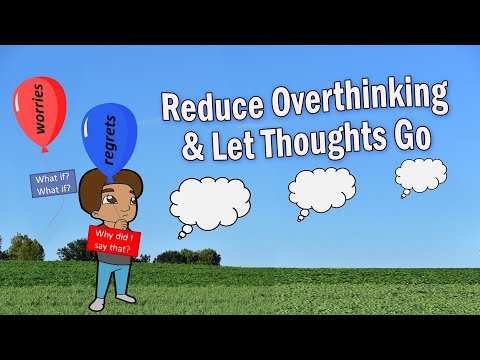
Another thing? Sometimes people have trouble with overthinking. Instead of relaxing and letting go of the day’s stresses, they replay everything over and over like a bad movie on repeat. Have you ever laid in bed and thought about all the tasks waiting for you tomorrow? Yep, that’s overthinking at work, keeping sleep miles away.
Now let’s touch on sleep maintenance insomnia. This is when folks fall asleep okay but wake up during the night and can’t get back to dreamland. Here, cognitive processes really shine (and not in a good way). If someone tends to be hyper-vigilant or overly aware of their surroundings during the night—like hearing every creak or sound—this can trigger anxiety. Suddenly, instead of drifting back off, they’re wide awake worrying about what could possibly go bump in the night.
And don’t forget about negative thought patterns. When someone believes they’ll never get enough sleep or feels hopeless about their situation (“I’ve tried everything!”), this mindset can turn into a self-fulfilling prophecy. It becomes like an anxious loop—you expect failure at sleeping which only reinforces those sleepless nights.
So what should you take away from all this? Well:
- Your thoughts impact your sleep.
- Cognitive distortions like catastrophizing hold significant power.
- Overthinking leads to higher stress levels at bedtime.
- Anxiety around waking up during the night exacerbates insomnia.
- Negative beliefs feed into poor sleep outcomes.
It really shows how intertwined our mental processes are with something as fundamental as sleep. And honestly? It makes sense; our minds are endlessly busy while we’re trying to chill out!
So next time you’re struggling to catch those Zs, give some thought to what’s going on upstairs. Maybe it’s time for some mental re-training if sleep has become an elusive dream!
Understanding the Causes of Maintenance Insomnia: Key Factors and Solutions
It’s frustrating when you’re dead tired but can’t seem to drift off, isn’t it? That’s what maintenance insomnia is all about. You know, where you fall asleep without a hitch but wake up in the middle of the night and can’t get back to sleep. It turns out that this kind of insomnia often ties into our thoughts and feelings, which is kind of wild when you think about it.
First off, let’s talk about cognitive patterns. These are basically the ways we think. If your mind is racing through worries or what-if scenarios after you wake up, it’s like trying to swim upstream—almost impossible! People often revert to negative thinking during these moments. You might start to panic about how little sleep you’re getting or have those nagging thoughts about your job or relationships. Those thoughts amplify anxiety, making falling back asleep even harder.
Another big factor is stress levels. If life feels like a constant juggling act, it makes sense that your body might get stuck in a state of alertness. Stress hormones like cortisol can interfere with your sleep cycle. For example, if you’ve had a tough day at work and come home feeling tense, that stress might keep you awake far into the night.
Now let’s also touch on environmental factors. Sometimes it’s just the little things: loud neighbors, bright street lights filtering through your curtains… these disturbances can disrupt not only your initial sleep but also wake you up later and make it tough to doze back off again.
And what about habits? Things like using screens before bed can totally mess with your zzz’s too! The blue light from devices tricks your brain into thinking it’s still daytime—yeah, not helpful at all when you’re trying to wind down.
Here are some key factors that contribute to maintenance insomnia:
- Cognitive Patterns: Anxiety and negative thoughts.
- Stress Levels: Ongoing life stress impacting relaxation.
- Environmental Factors: Noise and light interruptions.
- Unhelpful Habits: Screen time before bed.
So how do we tackle this issue? One useful approach is cognitive-behavioral therapy for insomnia (CBT-I). It’s all about changing those unhelpful thought patterns and behaviors surrounding sleep. For instance, if you’re waking up in the middle of the night worrying about work deadlines, CBT-I helps reframe those worries into more manageable perspectives.
Establishing good sleeps habits is crucial too! Create a bedtime routine that signals it’s time to wind down—maybe some light reading or listening to soothing music instead of scrolling through your phone. Keeping a consistent sleep schedule also helps train your body when it’s actually time for bed.
In summary, maintenance insomnia links closely with cognitive patterns—your thoughts play a huge role in whether you’ll stay asleep or wake up feeling refreshed. By understanding these causes and making small changes in both thought processes and habits, it’s absolutely possible to improve your ability to get the rest you need!
Sleep maintenance insomnia can be a pretty frustrating experience, right? You know the drill: you fall asleep just fine, but then you wake up in the middle of the night and suddenly your brain decides it’s time to run a marathon. You start replaying everything from the day—things you said, things you should’ve said, and even those awkward moments from years ago that pop into your head like unwanted guests at a party.
The thing is, our minds can get stuck in these cognitive patterns that make it tough to drift back off. Like, maybe you have this running dialogue of worry that starts as soon as your eyes flutter open. “What if I can’t get back to sleep?” or “I’ll be so tired tomorrow!” It becomes this vicious cycle where stress about not sleeping just leads to more anxiety.
Let’s say you’re lying there staring at the clock—that tick-tock can feel like a spotlight on your stress. You might begin to overthink it all. Those racing thoughts? They aren’t helping! Instead of relaxing and letting go, you’re like trying to push against a wave that just keeps crashing down.
I remember a friend who struggled with this for ages. She’d often text me at 3 AM saying she couldn’t sleep again. It was like her mind had turned into a late-night talk show, covering everything from her work deadlines to whether she’d ever find love (dramatic much?). It’s wild how much our thoughts shape our emotions and how they affect something as basic as sleep.
What’s super interesting is how cognitive patterns inform our behaviors in these situations. If you think it’s hopeless every time you wake up, chances are you’ll start avoiding things that help—like reducing caffeine or creating a calming bedtime routine—because you’ve convinced yourself nothing will work anyway.
So why do we get caught up in these thought traps? Often it’s because we develop certain beliefs over time—like thinking we aren’t good sleepers or maybe associating our bed with wakefulness instead of rest. And let me tell you, changing those beliefs isn’t easy! It takes patience and sometimes even some outside help.
In all this chaos around sleep maintenance insomnia, what I find crucial is recognizing those automatic thoughts before they spiral out of control. Once you start noticing how they play out—or don’t play out—you can take small steps toward managing them better. Maybe it’s jotting down worries before bed or trying mindfulness techniques that help slow down those racing thoughts.
At the end of the day, everyone has their own battles when it comes to sleep—and it’s totally okay! You’re not alone in this struggle. The trick is finding ways to shift those cognitive patterns so they stop stealing your precious rest time. After all, we all deserve a good night’s sleep!