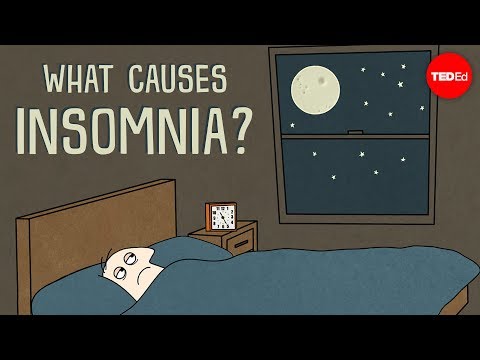
You know those nights when you just can’t drift off? You lie there, staring at the ceiling, trying to will yourself into dreamland. It’s kinda the worst, isn’t it?
Well, you’re definitely not alone. So many folks deal with nighttime struggles like insomnia or restless sleep. But have you ever thought about what’s really going on in your head when you’re tossing and turning?
It’s not just counting sheep or having too much caffeine. There are these deeper psychological roots that can keep us wide awake, even when all we want is a good night’s rest. It’s wild how our minds work, right? Let’s dig into that a bit.
Understanding the 10-5-3-2-1 Rule for Sleep: A Guide to Better Sleep Hygiene
So, let’s talk about sleep. It’s that magic thing we all need but, honestly, it can feel really elusive sometimes. If you’ve ever tossed and turned at night, you’re not alone. A lot of folks struggle with getting good shut-eye. Enter the 10-5-3-2-1 Rule—a straightforward way to help improve your sleep hygiene.
Here’s the scoop on what this rule means: it gives you a timeline for when to stop certain activities before bedtime so you’re not wired when it’s time to snooze. Let’s break it down.
10 hours before bed: This is your cutoff for caffeine. That means no more coffee or energy drinks in the late afternoon or evening! Caffeine can hang around in your system longer than you think, keeping you alert when all you want is some zzz’s.
5 hours before bed: You should avoid heavy meals during this time. Eating a big dinner can leave you feeling uncomfortable while trying to get comfy and fall asleep. Instead, opt for lighter snacks if you’re hungry.
3 hours before bed: This is when it’s best to put down those stimulating activities like intense workouts or stressful tasks that make your brain race. It’s about winding down. Go for a nice walk or read a book instead!
2 hours before bed: Aim to cut off screen time here—yeah, that means putting down your phone or turning off Netflix! Blue light from screens can mess with your body’s natural clock and trick it into thinking it’s still daytime.
1 hour before bed: This is your golden hour for relaxing rituals! Engage in calming practices like deep breathing, gentle stretching, or maybe even writing in a journal about your day. It signals to your body that it’s time to prepare for sleep.
You know what? I remember trying this rule after being wide awake one too many nights scrolling through my phone like it was my job! Following these guidelines helped me feel way more rested and ready for the next day.
So yeah, give the 10-5-3-2-1 Rule a shot if you’re having nighttime struggles with sleep issues. It’s not a miracle fix but understanding these timelines might just help create better habits over time—leading you closer to dreamland each night!
Identifying Physical Signs of Potential Sleep Disorders: Key Indicators to Watch For
So, let’s chat about sleep disorders and the physical signs that might indicate something’s going on. You know how sometimes you just *can’t* sleep? You toss and turn, and the clock seems to mock you. Well, it could be more than just a restless night. There are some key indicators to look out for.
1. Snoring and Breathing Irregularities
One of the most noticeable signs is snoring or irregular breathing patterns during sleep. If you or someone close to you notices loud snoring or pauses in breathing (which can be pretty alarming), it might hint at conditions like sleep apnea. This disrupts your sleep cycle and can leave you feeling super groggy in the morning.
2. Excessive Daytime Sleepiness
If you’re finding it tough to keep your eyes open during the day, that’s a big red flag. Seriously! Dozing off at work or during conversations can mean your nighttime rest isn’t doing its job. It could point to insomnia or other disorders messing with your nights.
3. Changes in Sleep Position
You might not think about it much, but constantly changing positions while trying to sleep can signal discomfort or restlessness. Like, if you’re flipping over every few minutes, your body might be telling you something isn’t right. Maybe it’s anxiety kicking in or just physical discomfort from a bad mattress?
4. Body Movements
Sudden jerking movements or restless legs while sleeping are signs we shouldn’t ignore either. Many people experience this, often without realizing it! Conditions like Restless Legs Syndrome (RLS) can cause annoying sensations that make you want to move your legs constantly.
5. Night Sweats
Your body can react weirdly when things aren’t well inside your head too! Night sweats—where you’re waking up drenched—might not just be due to temperature changes but also stress and anxiety levels messing with your sleep quality.
6. Changes in Appetite or Weight
This one might seem like a stretch, but changes in sleep can actually mess with hunger hormones, leading you to crave snacks at odd hours—or even lose interest in food altogether! It’s wild how interconnected everything is!
Anecdote: Personal Experience
I remember a time when my friend Sam couldn’t figure out why he was always tired despite sleeping what seemed like an eternity each night. He didn’t snore but shifted positions incessantly, claiming he was “just comfy.” Turns out he had anxiety that manifested physically while he was asleep—it wasn’t even about being tired; it was his mind racing all night.
If any of these signs resonate with you—or if they’re happening frequently—it might be worth chatting with someone who gets this stuff better than friends do (like a doctor). Remember that our bodies are pretty good at sending signals when something’s off; we just have to learn how to listen!
Understanding Nighttime Mental Struggles: Causes and Solutions for Better Sleep
When night falls, it should be a time for rest, right? But for many people, it turns into a battlefield of thoughts and feelings. If you’re tossing and turning instead of snoozing peacefully, let’s take a closer look at what’s going on and why.
Why Do You Struggle at Night?
Nighttime struggles with sleep are incredibly common. They can stem from various psychological roots. Stress, anxiety, and even depression can keep your mind racing when you should be winding down. Maybe you’re replaying the day’s events or worrying about tomorrow’s tasks—sound familiar?
Sometimes it’s not just thoughts that mess with your sleep. Sleep disorders, like insomnia or sleep apnea, may also have psychological components. Your brain might be in overdrive even when your body is begging for rest.
Common Causes of Nighttime Mental Struggles:
- Anxiety: Racing thoughts about work or personal issues can flood your mind.
- Stress: Life changes—like moving to a new city or starting a new job—can feel overwhelming.
- Depression: This often brings its own set of challenges related to energy and motivation.
- Poor Sleep Hygiene: Habits like excessive screen time before bed can disrupt natural sleep cycles.
So picture this: maybe you had a tough day at work and, instead of letting it go, you lie in bed thinking about every little thing that went wrong. The more you think about it, the more anxious you get—and before long, it’s 3 AM, and you’re still wide awake!
Solutions for Better Sleep
Now let’s dive into some ways to tackle those nighttime struggles so you can finally catch some zzz’s.
First off, establishing a solid bedtime routine could help signal your body that it’s time to wind down. Try setting aside some quiet time before bed to read or listen to music—not too loud though!
Next up is creating an inviting sleep environment. Make sure your room is cool and dark—you want it cozy but not too stuffy! Some folks swear by blackout curtains or white noise machines.
Also consider journaling your worries earlier in the evening. Writing things down might clear out the clutter in your head, making space for relaxation instead.
Lastly, if stress is holding you hostage at night, practicing mindfulness or deep breathing exercises could do wonders. Just ten minutes focused on nothing but your breath can shift your mind away from spiraling thoughts.
All in all, nighttime mental struggles don’t have to keep robbing you of restful nights! By understanding their roots and implementing practical solutions—like creating a calming bedtime routine—you can reclaim those precious hours of sleep that are so vital for good health and well-being!
You know those nights when you just can’t seem to drift off? You lie there, staring at the ceiling, and your mind is racing a million miles an hour. Seriously, it’s like your brain is throwing a party, and you weren’t even invited. It’s wild how many people experience this. Sleep issues are way more common than we tend to think.
So, let’s dig into what really causes these nighttime struggles. A lot of times, it’s not just about having a comfy bed or the perfect pillow. I mean, sure, those things help! But sleep issues often have deeper roots that can be traced back to our day-to-day lives—like stress from work or personal stuff weighing on our minds. Stress triggers our body’s fight-or-flight response—basically telling us there’s danger lurking around every corner. And when that happens at night? Good luck getting any shut-eye!
I remember once I had the worst insomnia one week before an important presentation. I kept running through my notes in my head over and over again in bed—too worried about forgetting something that I couldn’t let myself relax. Even though I knew I needed rest to do well, the anxiety just wouldn’t quit. That made me realize how closely linked our emotions are with sleep.
Then there’s also this concept called rumination—it sounds fancy but really it means going in circles in your head over problems and worries. Instead of focusing on our breath or counting sheep (which is pretty old-school), we find ourselves rehashing conversations or stressing about tomorrow’s chores like it’s going out of style.
Not to mention the tech aspect! The blue light from screens can mess up your circadian rhythm, which is just a fancy way of saying our body clock likes to follow a schedule of when it should be awake and asleep. Ever notice how scrolling through social media before bed sometimes makes you feel more alert? That dopamine kick isn’t super helpful for drifting off!
On top of all that, there’s also some research pointing to things like depression or anxiety disorders making sleep harder too. When you’re feeling down or anxious, it can be tough to switch off all those thoughts and feel relaxed enough to snooze.
And then there are physical factors—like caffeine intake during the day or certain health conditions that could interfere with sleep patterns too.
In short, nighttime struggles often stem from a mix of emotional and psychological factors along with some lifestyle choices thrown into the mix. So if you’re tossing and turning tonight? Know you’re not alone—it’s super common! Just remember: creating some sort of calming bedtime routine might help ease your mind gradually before you hit the sack.
It’s all interconnected—our days influence our nights—and sometimes we just need to figure out where those pesky roots lie so we can get back some good Zs!