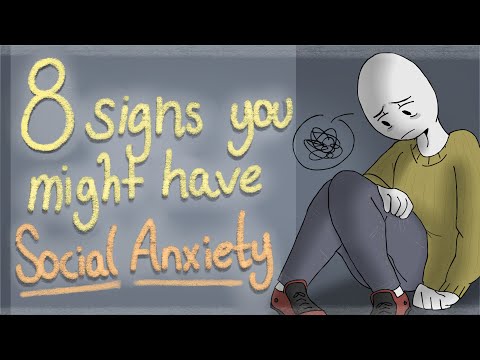
Social anxiety can feel like this heavy backpack you’re carrying around, you know? It’s super common, but that doesn’t make it any easier to deal with. I mean, have you ever felt your heart race just thinking about a party or a meeting?
Yeah, me too. Sometimes it’s like the world’s watching your every move. But hey! You’re not alone in this. There’s some pretty cool research out there shedding light on what really helps people cope.
So, grab a comfy seat because we’re diving into some insights that might just make those social situations feel a bit less overwhelming. Seriously, it’s all about finding what works for you!
Comprehensive Analysis of Social Anxiety: Downloadable Research Paper PDF
Social anxiety, you know? It’s that intense fear of social situations where you worry about being judged or embarrassed. Imagine going to a party and feeling like everyone’s staring at you, waiting for you to mess up. Yeah, that’s the kind of anxiety we’re talking about here!
When someone has social anxiety, they often avoid situations that might trigger those feelings. This can seriously limit their day-to-day life. They might skip social gatherings, struggle to speak up in meetings, or even feel anxious just thinking about ordering a coffee. It’s like being stuck in a box, wanting to break free but feeling glued in place.
Research on this topic digs into how social anxiety develops and how it affects people. Some factors that contribute include:
- Genetics: Yep, sometimes it runs in the family.
- Environment: Childhood experiences can play a huge role; think of critical parents or bullying.
- Cognitive patterns: This is when your mind starts jumping to conclusions—like thinking everyone is judging you when they’re probably not.
There are also physical symptoms tied to social anxiety. You know that feeling when your heart races before speaking? Or how about sweating palms? Those physical reactions come from our bodies’ fight-or-flight response kicking in.
Coping strategies are super important too. People with social anxiety can find ways to manage their feelings and reactions. For instance:
- Gradual exposure: Trying out small social situations helps build confidence over time.
- Cognitive-behavioral therapy (CBT): This type of therapy focuses on changing negative thought patterns.
- Meditation and mindfulness: These practices can help calm the mind and body.
But let’s talk about what it feels like from a personal standpoint. I once knew someone who would cancel plans last minute because they couldn’t bear the thought of walking into a crowded room. The dread and pressure built up so much that just imagining it felt overwhelming!
The good news is there’s research showing that people can overcome these challenges—like flipping a switch! And not everyone experiences social anxiety the same way; some may feel mild jitters while others face severe panic attacks.
In summary, tackling social anxiety requires understanding its roots and finding effective coping strategies tailored to each individual’s experience. As more research comes out, there’s hope for those struggling with this condition, making it possible to step outside that box and enjoy life again!
Comprehensive Analysis of Social Anxiety: Insights and Implications in Contemporary Research
Social anxiety is like that annoying friend who just won’t leave you alone. It creeps up when you’re in social situations, making you feel all tense and awkward. Let’s break it down, shall we?
What Is Social Anxiety?
So, social anxiety disorder is basically a fear of being judged or embarrassed in social situations. You might find yourself sweating buckets at the thought of speaking in public or even just hanging out with friends. It’s not just shyness; it can be a real roadblock in your daily life.
Signs and Symptoms
When we talk about social anxiety, there are some telltale signs to look for. You might experience:
- A racing heart when you think about social events.
- A desire to avoid gatherings or parties.
- Persistent worry about how you’re perceived by others.
- Physical symptoms like blushing or shaking during interactions.
These feelings can be overwhelming and sometimes downright paralyzing.
The Research Behind It
Current research suggests that social anxiety isn’t just about being shy. It’s tied to brain chemistry and genetics too. For instance, certain areas of the brain respond differently when someone with this disorder is in a social situation compared to someone without it. They found that the amygdala, a part of your brain involved in processing emotions, tends to become hyperactive.
Another thing researchers highlight is how negative experiences can shape one’s view of social interactions. Maybe you had an embarrassing moment at school that stuck with you, and now every time you’re faced with a similar situation, those old feelings bubble back up.
Coping Strategies
Dealing with social anxiety is tough but not impossible! Some coping techniques emerging from psychological studies include:
- Cognitive Behavioral Therapy (CBT): This helps reframe negative thoughts into something more positive.
- Exposure Therapy: It gradually exposes you to feared situations so they become less intimidating over time.
- Mindfulness Practices: Techniques like meditation can help ground your mind and calm those anxious feelings.
So imagine this: You’re at a party where everyone seems to know each other. At first, it feels daunting—your heart races! But through gradual exposure and some mindfulness practice beforehand, each little interaction becomes easier over time.
The Bigger Picture
It’s important we don’t overlook the implications of all this research on broader society. As people become more aware of social anxiety, there’s hope for better support systems—like schools offering mental health resources or workplaces fostering understanding environments.
When we talk about these issues openly, it not only helps those struggling but also promotes a culture of empathy. Just knowing others experience similar feelings can ease that burden quite a bit!
Social anxiety might feel isolating sometimes, but you’re definitely not alone in this battle? With ongoing research and understanding from both professionals and peers alike, there’s always room for progress—and that’s something we can all look forward to!
Comprehensive Guide to Treatment Options for Social Anxiety: Effective Strategies and Therapies
Social anxiety can feel like a heavy backpack you’re carrying around everywhere. It makes situations like parties, meetings, or even ordering coffee feel pretty overwhelming. But, there are actually lots of ways to tackle this challenge and lighten that load! Here’s a look at some effective treatment options for social anxiety.
Cognitive Behavioral Therapy (CBT) is one of the most common approaches. This therapy focuses on identifying negative thought patterns and replacing them with more positive ones. Think of it like cleaning out your closet—getting rid of old clothes that don’t fit you anymore! For example, if you believe “Everyone will judge me,” CBT helps reframe that thought into something like “Most people are too busy to judge me.” By doing this, you can slowly change how you respond to social situations.
Exposure Therapy is another powerful tool. It involves gradually facing your fears in a controlled way. Picture this: if you struggle with speaking up in groups, your therapist might start by having you talk in front of a mirror, then with a friend, and eventually in larger settings. This step-by-step exposure can help desensitize you to those anxiety-triggering scenarios. The idea is to build confidence over time.
There’s also Medication. For some people, medications like SSRIs (selective serotonin reuptake inhibitors) can help reduce symptoms of anxiety. It’s not a magic pill—more like a support system that makes it easier for other strategies to work their magic alongside it.
Group Therapy offers another unique perspective on things. Being around others who understand what you’re feeling creates an instant sense of camaraderie. You get to share experiences and learn from each other while taking part in therapeutic activities together. It’s kind of comforting to know you’re not alone in this journey!
Self-Help Strategies, such as mindfulness and meditation, are super helpful too. These techniques allow you to stay grounded when anxiety hits hard—like taking deep breaths before entering a stressful situation or focusing on the present moment instead of worrying about what might happen.
Also, consider practicing social skills through Role-Playing. This could be done with friends or even through apps designed for social interaction practice. Doing it in a low-pressure environment helps boost your confidence when real-life situations arise.
Lastly, don’t underestimate the power of support from family and friends. Having someone understand your feelings can make all the difference when dealing with social anxiety.
The thing is, everyone reacts differently to these options—what works wonders for one person might not do much for another. So explore various avenues until finding what suits you best.
The road may be bumpy at times but remember you’re not alone on this journey! With patience and persistence, managing social anxiety can become more manageable over time.
Social anxiety can feel like this massive weight on your shoulders, right? You know, the kind that makes your heart race when you’re about to walk into a room full of people, or when you have to introduce yourself at a gathering? Totally overwhelming! I remember one time I had to give a toast at a friend’s wedding. My palms were sweaty, and my mind was racing with thoughts of “What if I mess up?” or “What will everyone think of me?”
So, coping with this kind of anxiety isn’t just about avoiding social situations—although that’s definitely what many people might instinctively do. Research shows there are ways to tackle it head-on. For starters, you could try exposure therapy. Sounds intense, huh? But essentially, it’s about gradually facing what makes you anxious in a safe way. Like maybe starting with small gatherings before heading into bigger ones.
Another interesting insight from psychology is cognitive-behavioral techniques. This means challenging those negative thoughts that pop up when you’re feeling anxious. Like instead of thinking “Everyone is judging me,” you could reframe it as “Maybe some people are focused on their own stuff.” A shift in perspective can work wonders.
Mindfulness is also big in the research world. Just being present and aware of your feelings without judgment can help reduce anxiety levels over time. It’s not about pushing away the anxiety but kind of acknowledging it like an old friend who shows up uninvited.
And then there’s support from others! Talking to friends or even getting into support groups can help lighten that burden. After all, you’re not alone—so many people deal with social anxiety to some degree.
So next time those anxious feelings creep up before a social event, remember: it’s okay to feel that way! You’re doing your best navigating through life’s tricky social landscape. And who knows—you might just surprise yourself by stepping out of your comfort zone and growing beyond what you thought was possible!