So, let’s talk about social anxiety disorder, shall we? You know that feeling when you’re about to walk into a room full of people and your heart starts racing? That tightness in your chest? Yeah, that’s pretty real for a lot of folks.
Imagine hanging out with friends but still feeling like everyone’s watching and judging you. It can seriously mess with your head. And honestly, it’s not just shyness. Sometimes, it goes way deeper than that.
People might not even realize they’re dealing with it. But the signs are there—if you know what to look out for. You follow me? Let’s break it down and see if you or someone you know might be on this rollercoaster of anxiety. It can really help to understand what’s going on!
Exploring the Different Types of Social Anxiety: Understanding Symptoms and Impact
Social anxiety is a big deal for many people. It’s that uncomfortable feeling you get when you’re around others, like you’re under a spotlight or something. But not all social anxiety is the same. There are different types, each with its own flavor and symptoms.
Generalized Social Anxiety Disorder is probably what most folks think of first. Picture this: you’re at a party, and just thinking about talking to anyone makes your stomach churn. You might sweat, feel your heart racing, or even have trouble catching your breath. This is more than just being shy; it’s an overwhelming fear of being judged or embarrassed in social situations.
Then there’s the specific kind called performance anxiety. You know those moments when you have to speak in front of a crowd? For some people, that can be terrifying. They might freeze up or even avoid situations like public speaking altogether. It’s like their mind goes blank as soon as they step up to the mic.
Another interesting type is social interaction anxiety, which focuses on one-on-one conversations or small groups. Maybe you find yourself worrying about what to say while chatting with friends, fearing awkward silences or that you’ll come off as weird. You might even rehearse conversations in your head beforehand—sounds familiar, right?
Symptoms can vary widely but often include:
- Nervousness: Feeling jittery before social events.
- Avoidance: Changing plans or skipping gatherings altogether.
- Physical signs: Sweating, blushing, shaking—like your body has a mind of its own!
- Cognitive distortions: Overthinking and imagining the worst-case scenarios.
When these feelings become intense and frequent, they can really disrupt day-to-day life. Think about it: if you avoid social events because of fear, it can lead to loneliness and frustration over time. You might miss out on friendships and connections simply because you’re too anxious to engage.
The impact isn’t just on social lives, either; it can spill over into work or school settings too. Imagine trying to give a presentation at work but feeling paralyzed by fear—totally distracting! And let’s not forget about how this can affect self-esteem; constant worry about others’ opinions can chip away at how we see ourselves.
So basically, understanding the different types of **social anxiety** is key for those who deal with them and for anyone looking to support their friends through tough times. Knowing the signs allows for better empathy and connection; we all need that sense of belonging without judgment sometimes!
Understanding Social Anxiety: Take the Social Anxiety Test Today
Social anxiety is something that many people experience, and it can seriously impact your life. Imagine being in a room full of people but feeling like you’re all alone. You might feel your heart racing, sweat on your palms, and your mind racing with worries about what others think of you. That’s social anxiety in action.
So, what exactly is social anxiety disorder? It’s more than just shyness or nervousness in social situations. It often involves an intense fear of being judged or embarrassed in public. And it can lead to avoiding situations that trigger those feelings—like parties, meetings, or even speaking up in class.
If you’re wondering whether you might have social anxiety, taking a social anxiety test can be a helpful start. These tests often ask about your feelings during social interactions and how they affect your daily life. For instance:
- Do you feel extreme nervousness when meeting new people?
- Do you avoid speaking up in groups due to fear of being judged?
- Do you find it hard to make eye contact during conversations?
Answering these questions can give you some insight into whether what you’re feeling is typical shyness or something more serious.
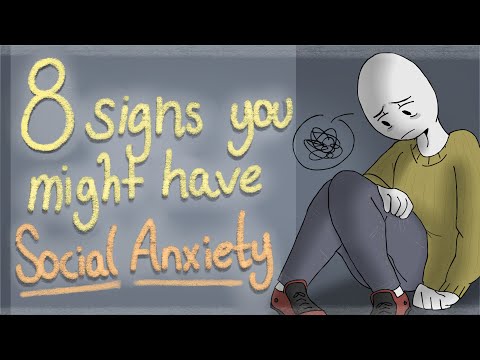
You might ask yourself: What are the symptoms? Well, let me tell ya! Sometimes it’s a bit tricky because they can vary from person to person. But here are some common signs:
- Persistent fear: You dread social interactions even when there’s no real threat.
- Avoidance behavior: You skip events where you’ll need to interact with others.
- Physical symptoms: Things like sweating, trembling, or having an upset stomach when faced with social situations.
I remember a friend who used to dread going out for coffee with coworkers. Even though she enjoyed their company, the thought of small talk made her feel sick. She would often cancel last minute because the anxiety felt overwhelming. This kind of avoidance can affect work and personal relationships over time.
If you’re nodding along thinking «yeah, that sounds like me,» don’t worry—you’re not alone! Many people deal with this condition, which is more common than you think. But knowing the signs means you’re on the right track!
The good news is that there are ways to manage social anxiety effectively without taking drastic measures. From therapy options like cognitive-behavioral therapy (CBT) that help reshape negative thoughts to self-help strategies like exposure exercises—there’s hope!
Your journey starts with understanding yourself better; learning what triggers your anxiety and how it plays out in real-life scenarios is key. Taking tests or quizzes online can serve as stepping stones to greater awareness about how you’re feeling.
The bottom line? Social anxiety can be tough but recognizing it is the first step toward finding ways to cope and improve your comfort level in social settings. Remember: it’s okay not to have all the answers right now; just taking these small steps makes a big difference!
Effective Strategies for Social Anxiety Treatment: Overcoming Challenges and Finding Relief
Social anxiety can feel like a heavy backpack you’re forced to carry everywhere. It’s like that constant worry about what people think of you, or the fear of embarrassing yourself in social situations. If you’ve ever felt your heart race at the thought of speaking in public or cringed at the idea of making small talk, you might be dealing with social anxiety disorder. Understanding the symptoms is a big step toward finding relief.
So, what are these pesky symptoms? Well, they can vary from person to person, but some common ones include:
- Intense fear of social situations.
- Avoidance of gatherings or public events.
- Physical symptoms, like sweating, shaking, or blushing.
- Anxiety about being judged by others.
- Panic attacks in social settings.
If you see yourself here, don’t worry! There’s a path forward. One effective strategy for managing social anxiety is using cognitive-behavioral therapy (CBT). This approach helps you identify negative thought patterns and replace them with more positive ones. For example, instead of thinking “Everyone will laugh at me,” you shift to “I have something valuable to share.” It’s like rewiring your brain!
Another approach is gradual exposure. Imagine standing outside a party feeling super anxious. Instead of diving straight into the crowd, start small—maybe just walk by and observe for a minute or two. Gradually increase your time spent there until it feels less intimidating. Remember that girl who took it step by step at a friend’s wedding? She started by just staying for dessert before building up to dancing! It really can work.
You could also look into mindfulness techniques. These are pretty chill ways to stay present in the moment instead of spiraling into “What ifs.” Breathing exercises can ground you when anxiety starts creeping in; think slow inhales and exhales to calm those racing thoughts and jitters down. Seriously! Even just five minutes can make a difference.
Don’t forget about connecting with others who get it. Support groups can be super helpful because you realize you’re not alone in this struggle. Chatting with someone who knows exactly how it feels can lift some weight off your shoulders.
The key takeaway? Social anxiety doesn’t have to hold you back forever. With awareness and some solid strategies—like CBT, gradual exposure, mindfulness techniques, and support—you can find relief and maybe even enjoyment in those situations that once felt impossible!
Alright, so let’s chat about social anxiety disorder, or SAD for short. You know when you’re at a party and you just can’t shake that feeling of dread? Like, what if you say something stupid or trip over your own feet? Well, that’s kinda what people with social anxiety feel all the time.
Imagine being at a coffee shop. It’s packed, and you have to order your drink. Your heart starts racing, your palms get sweaty, and suddenly the thought of just speaking feels like climbing Everest. This is where those symptoms come into play.
People with social anxiety might experience these intense feelings when they’re faced with interacting in social settings—like giving a presentation or even just making small talk with someone they don’t know well. The fear doesn’t just disappear after the event; it lingers before and after too. They might replay conversations in their head for days, worrying about every little word they said or didn’t say.
Physical symptoms can also pop up. It’s not just nerves; we’re talking sweaty palms, rapid heartbeat, maybe even nausea or feeling dizzy. It’s like your body is saying “danger!” even when there’s nothing to be scared of.
But here’s a huge thing: many people might not realize they have this disorder. They could think they’re just shy or that everyone feels this way sometimes. And that can be tough because it means they might avoid situations altogether—becoming isolated without even knowing why.
Have you ever been in a situation where you’ve felt overwhelmed by the need to impress others? Or maybe worried about being judged? It’s super common to feel anxious sometimes, but for those with social anxiety disorder, it becomes more severe and persistent.
The tricky part is recognizing these symptoms in yourself or others because there’s no clear checklist that fits everyone perfectly. If you notice someone pulling away from social situations consistently or avoiding gatherings that should be fun, it could be worth exploring why.
So yeah…social anxiety can really mess with someone’s life without them even realizing it. Understanding these signs makes all the difference—both for people who experience it and their friends trying to support them!