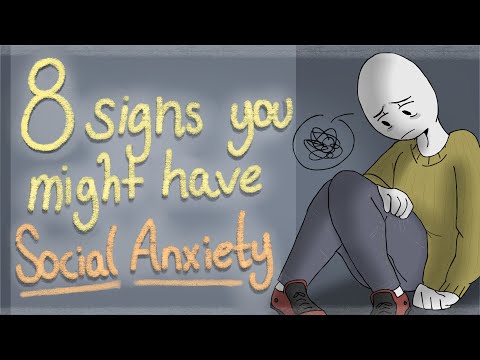
So, have you ever felt that little knot in your stomach when you think about hanging out with a group? You know, the rush of panic when you’re about to walk into a crowded room? Yeah, that’s what we’re talking about.
Social anxiety can be sneaky. One minute you’re chilling at home, and the next, your mind’s racing with «What if they don’t like me?» or «What do I even say?» It’s totally overwhelming!
Life gets tricky when those feelings pop up during everyday stuff—like chatting with coworkers or making small talk. It’s like trying to swim while someone keeps pushing you under.
But don’t worry! Getting a grip on these signs can help you feel more relaxed and confident. Let’s figure this out together!
Understanding the Permanence of Social Anxiety: Insights and Implications
Social anxiety can be a real drag, huh? It’s more than just feeling awkward at parties or wishing you could hide when giving a presentation. It’s that persistent worry about how others perceive you, and it can totally shape your day-to-day experience.
So, what’s the deal with social anxiety? It often sticks around, even when you want it gone. You might think it’s just “nerves” or stress, but for many people, it feels like an uninvited guest that settles in for the long haul.
Here are some signs that social anxiety might be sneaking into your life:
- Excessive self-consciousness: You catch yourself worrying constantly about how you’re perceived by others. Like, do they think I’m boring? Or worse, have they noticed I’m sweating?
- Avoidance behaviors: Maybe you skip out on social events because you dread the thought of interacting with people. Missing that Friday night gathering might feel safe but could deepen those anxious feelings.
- Physical symptoms: Have you ever felt your heart racing or your palms getting clammy in a social situation? That’s pretty common! Your body goes into fight-or-flight mode even if there’s no real threat.
You might relate to this: remember that time at a friend’s birthday party when you stood in the corner, pretending to check your phone while really just wishing to disappear? Yeah, that feeling is all too familiar for many folks.
The thing is, social anxiety isn’t just a phase; it can linger if not understood and managed properly. This means recognizing its presence in everyday life is super important. For instance:
- Your daily routines may change: Maybe you start avoiding going to cafes or attending meetings where social interaction is expected.
- You might overthink interactions: That conversation with a coworker could replay in your head for days as you fixate on every little word exchanged.
This doesn’t mean there isn’t hope! Understanding that social anxiety persists serves as the first step toward addressing it. And knowing how these patterns play out in daily life helps clarify what needs to change.
If nothing else, remember: you’re definitely not alone in this! Many struggle silently with those nagging feelings of inadequacy during social encounters. Just recognizing those signs can be a huge part of breaking free from their grip.
This journey isn’t quick and easy—so give yourself some grace along the way! Honestly, acknowledging this stuff is hard work but super necessary if you’re hoping to feel more at ease socially. So if you’ve noticed signs of social anxiety creeping in, take heart! You’re already on the right path by understanding what’s going on.
Understanding Social Anxiety: Take Our Comprehensive Test to Evaluate Your Symptoms
Social anxiety is one of those things that can sneak up on you, like when you’re about to give a toast at a wedding and suddenly you feel like your heart’s racing and your palms are sweaty. It’s more than just being shy or nervous; it can really interfere with daily life. If you’re wondering whether you might be experiencing social anxiety, let’s break down what it looks like.
Recognizing the Signs: Social anxiety makes you feel fear or unease in social situations. This can show up in different ways:
- You might avoid parties or gatherings because they make you anxious.
- When talking to people, you could feel your mind going blank or wish you could disappear.
- Sometimes, just thinking about meeting new people can make you cringe.
The thing is, these feelings can happen in everyday situations too. Picture this: you’re at work and get assigned a presentation. Instead of feeling excited, your stomach twists in knots just thinking about speaking in front of others. That’s not uncommon for someone dealing with social anxiety.
Physical Symptoms: It’s not just mental—social anxiety has some physical effects as well:
- Your heart might race when you’re put on the spot; it’s a classic fight-or-flight response.
- You could sweat excessively or feel shaky when trying to interact with others.
- Nausea might creep in before a big event where you’ll be surrounded by people.
If any of this sounds familiar, there’s definitely no shame in seeking more information. Sometimes personality traits overlap with social anxiety; if you consider yourself an introvert but feel overwhelmed by social situations, it’s worth reflecting on what’s behind that stress.
The Comprehensive Test: If you’re curious about where you stand regarding social anxiety symptoms, taking an evaluation can help clarify things. These tests typically focus on how the symptoms affect your daily life and relationships.
You may be asked questions like how often you avoid certain situations or how much distress they cause you. Remember, answering honestly will give the best insight into whether these feelings are part of something bigger!
It’s important to know that many people face these issues, and you’re not alone if you’ve ever felt overwhelmed by social settings. Being aware of what’s going on inside your head is the first step toward making sense of it all—and perhaps finding ways to cope better!
Coping Strategies: If social anxiety does ring true for you, there are various approaches to managing it:
- Consider practicing mindfulness exercises; they help ground your thoughts and keep panic at bay.
- Pushing yourself out of your comfort zone gradually can build confidence over time.
- Talking about these feelings with someone trusted allows for support and understanding.
You know? It’s all about figuring out what works best for *you*. Social anxiety is challenging but understanding it is key! Recognizing signs early helps navigate through life more smoothly without letting fear hold the reins.
Understanding Social Anxiety Disorder: Legal Rights, Supports, and Resources
Social Anxiety Disorder (SAD) is more than just feeling shy. It can be a real hurdle in everyday life. People with SAD often fear social situations, worrying about being judged or embarrassed. If you’re one of those people, it’s important to know you’re not alone and there are rights, supports, and resources to help.
Legal Rights
If you have SAD, there are legal protections in place depending on where you live. In the U.S., for example, the Americans with Disabilities Act (ADA) offers safeguards for individuals with mental health conditions. This means employers can’t discriminate against you because of your anxiety. You may also be entitled to reasonable accommodations at work or school. Like if public speaking is part of your job and that freaks you out, asking for alternatives can be a valid request!
Supports
Finding support is crucial when dealing with social anxiety. That might mean talking to understanding friends or family members who get what you’re going through. Support groups can also be a lifesaver—you know, connecting with others who share similar experiences helps normalize things a bit.
And let’s not forget about professionals! Therapists or counselors trained in cognitive-behavioral therapy (CBT) can really help change the way you think about and respond to social situations.
Resources
Now onto resources—there’s a ton out there! Websites like the Anxiety and Depression Association of America offer tools ranging from self-help tips to finding therapists nearby. Books on SAD can also provide insights and coping strategies that might resonate with your own experiences.
It’s worth noting that some apps aim to help manage anxiety symptoms too. They often include mindfulness exercises or community features where users share their journeys.
Recognizing Signs in Daily Life
Understanding and recognizing signs of social anxiety in daily life can make all the difference:
These little signs show how deeply social anxiety can influence daily activities.
So remember: while living with Social Anxiety Disorder has its challenges, knowing your rights and utilizing available supports and resources can empower you on this journey!
Social anxiety can be one of those sneaky things that creeps up on you. One minute, you’re fine, and the next, your heart’s racing like you just ran a marathon. Maybe you’ve been in a group setting and felt a wave of panic hit when it was your turn to speak. Or perhaps it’s just signing up for something new, like a class or a club.
You know that feeling? Like everyone’s judging your every word and movement? That’s real! But recognizing those signs is key. It might show up as sweating, shaking hands, or even an upset stomach before social events. I remember once being at a birthday party where I just stood at the edge of the room, feeling super awkward while everyone else seemed to be having the time of their lives. It was brutal!
Sometimes it’s tricky because people around you might not even notice you’re struggling. You may put on a brave face or laugh along with everyone, but inside, there’s this battle happening. The thing is, social anxiety isn’t about being shy; it’s this intense fear that makes normal interactions feel like climbing Mount Everest without gear.
If you’re finding yourself avoiding social situations altogether—like skipping out on parties or dinner invites—that’s another sign to pay attention to. Trust me, I’ve been there too. You think you’re saving yourself from discomfort but end up feeling even more isolated.
Recognizing these signs can open the door to understanding what’s going on in your head and heart. It’s perfectly okay to feel overwhelmed sometimes; it doesn’t define who you are! What matters is knowing when those feelings are holding you back from living your life fully and reaching out for support—whether that’s talking to friends or seeking professional help.
So keep an eye out for those signs in yourself or others around you—it can really make a difference in tackling social anxiety head-on!