You know those moments when you just click with someone? It’s like you’re speaking the same language, even if you’ve never met before. That’s social cognition in action.
Basically, it’s how we understand each other in our day-to-day lives. Like, why do we instantly vibe with some people and feel awkward around others? It’s all in the dynamics of our minds.
Think about trying to read a room. You pick up on vibes, body language, and those subtle cues that tell you what people are feeling. It can be tricky!
And then there’s the whole friend vs. stranger thing—how do we know who to trust? Our brains are constantly working behind the scenes to help us navigate these interactions.
So, let’s dig into this wild world of social cognition. It really shapes how we connect with others!
Understanding the Dynamics of Social Interaction: Key Insights and Implications
Alright, so let’s talk about the juicy stuff around how we interact with each other. Social interaction is like this whole dance we do, filled with moves and cues that we often don’t even think about. Understanding it can really help us navigate our relationships better.
First off, social cognition is basically how we perceive and think about others in social settings. You might not realize it, but every time you meet someone new or hang out with friends, you’re constantly picking up on their vibes—expressions, gestures, and even unspoken rules. Our brains are wired to process these signals almost automatically.
Facial expressions play a huge role in this dance. For example, a smile can signal friendliness or openness. Conversely, crossing arms might indicate defensiveness or discomfort. You know that awkward moment when someone smiles at you but their eyes are dead? Yeah, those mixed signals can leave you feeling confused.
Another biggy is nonverbal communication. This isn’t just about what we say; it’s how we say it. Body language can speak volumes! Imagine you’re at a party and someone leans in while talking to you—that’s inviting and shows interest. Compare that to someone who stands with their back turned; it’s like saying they’re not into the conversation at all.
Now let’s talk about context. It’s everything! The same behavior might mean different things depending on where you are or who you’re with. In a business meeting, for instance, being assertive is valued; but in a casual chat with friends, it might come off as rude. You gotta pick your moments!
Also important is social norms. These are like the unwritten rules of interaction that vary from culture to culture—or even among groups within the same culture. For instance, personal space varies widely; some cultures are all about keeping distance while others love crowding in close during conversations. Being aware of these differences helps prevent misunderstandings.
And let’s not forget empathy. This magical skill allows us to put ourselves in someone else’s shoes! When you’re tuned into another person’s feelings, your interactions become richer and more meaningful. For example, if a friend looks upset but isn’t saying much, showing understanding can help them open up instead of feeling isolated.
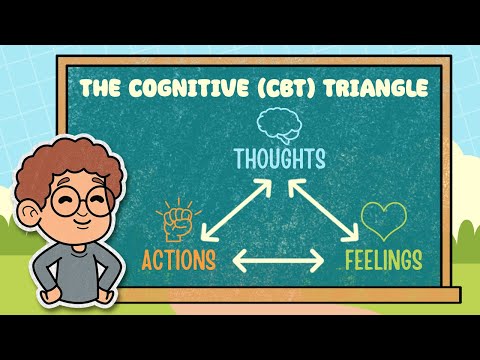
To wrap this all up: understanding the dynamics of social interaction means recognizing how our thoughts and feelings shape our relationships with others. It requires awareness of cues like facial expressions and body language while also factoring in context and cultural norms.
Being mindful of these elements not only enhances your communication skills but also helps build stronger connections with those around you—whether they’re old friends or new acquaintances! So next time you’re chatting away or mingling at an event, remember: it’s all about the subtle art of social cognition!
Understanding the Four Stages of Social Cognition: A Comprehensive Guide
Sure! Let’s break down the four stages of social cognition. It’s all about how we perceive and interpret social information, which can totally shape our interactions.
1. Attention
This is where it all starts. You need to notice social cues before anything else can happen. If you’re in a room with people, you might catch someone’s facial expression or tone of voice. That stuff grabs your attention, right? Think about the last time you walked into a party—what drew your eye? The way someone was laughing or even the vibe of the crowd. If you don’t pay attention, you’re basically missing out on what’s going on around you.
2. Interpretation
Once you’ve noticed something, your brain jumps into action to make sense of it. You interpret what those cues mean based on your past experiences and assumptions. For instance, if someone frowns when they see you, maybe you think they’ve had a rough day or they’re upset with you specifically. That interpretation shapes how you’ll respond next! But here’s where it gets tricky—sometimes we overthink or misinterpret things because of our biases.
3. Evaluation
Now it’s decision time! After interpreting social cues, you’re evaluating their significance for your relationship with that person or group. Are they friendly? Hostile? Do they like what you’re saying? This stage involves weighing your options and deciding how to proceed in the interaction: will you approach them for a chat or keep your distance? It’s like being at a buffet where you’re sizing up all the options before picking your plate!
4. Response
Finally, it’s all about action—what do you do next based on everything that just happened? Your response can be verbal (like starting a conversation) or non-verbal (like smiling warmly). Imagine that frowning person from earlier—you might decide to check in on them because you’ve interpreted their expression as needing support. Or maybe you’d just smile and walk by if you think they’re just having a bad moment but otherwise fine.
Understanding these stages might seem pretty straightforward, but we often get stuck at one stage or another due to various external factors like stress or anxiety—it can really mess with our social game! So next time you’re in a social setting, just remember:
Each stage connects us more deeply with others and helps us navigate our social world better—pretty neat, huh?
Exploring the Four Types of Social Interaction: Understanding Human Connections
Social interaction is like the glue that holds our relationships together. You know, it’s how we connect, communicate, and sometimes even clash with each other. When you think about it, there are various types of social interactions, and each plays a unique role in shaping our experiences and understanding of the world. Let’s break down four major types that highlight how we relate with one another.
1. Cooperative Interaction
This type is all about teamwork. It’s when people come together to achieve a common goal. Imagine planning a surprise party for a friend; everyone pitches in ideas and actions to make it happen smoothly. In cooperative interaction, there’s a sense of shared purpose that really brings people closer.
2. Competitive Interaction
Now, here’s where things can get a bit spicy! Competitive interaction happens when individuals or groups vie for the same goal, often leading to rivalry or conflict. Think of sports teams battling it out on the field or classmates competing for the top grade in class. While this can create tension, it also fuels motivation and pushes us to improve.
3. Conflictual Interaction
Have you ever had an argument with someone? That’s conflictual interaction for you! This type occurs when there are opposing views or interests clashing between people. A classic example is political debates where each side fiercely defends their stance. Although this can feel super intense and uncomfortable, navigating conflict can also lead to growth and better understanding if handled well.
4. Affective Interaction
This one’s all about emotions! Affective interaction involves connections that are deeply rooted in feelings—like love, empathy, or even anger. Picture two friends comforting each other during tough times; they’re sharing emotional experiences that bond them tighter together. These interactions show how vital it is to express and understand feelings within our relationships.
So there you have it! The dynamics of social cognition shape how we interact daily—whether in teamwork efforts or during moments of conflict and emotion sharing. Each type plays its part in building those intricate webs of human connections we all navigate through life!
Social cognition is like this behind-the-scenes player in the game of human interaction. It’s how we perceive, interpret, and react to the people around us. Honestly, it’s fascinating how much our thoughts about other people can shape our daily lives.
Think about a time when you felt judged or misunderstood by someone. Maybe you were at a party, trying to mingle, and suddenly you caught someone’s eye. Their expression told you everything—were they interested? Disinterested? It’s amazing how just a glance can create a whole story in your mind about what they’re thinking. And that story isn’t just random; it’s built on your experiences, biases, and beliefs.
We tend to fill in the blanks with assumptions based on our past interactions or social norms. Like if someone looks away while you’re talking, you might think they’re bored or uninterested. Maybe they’re just shy or having an off day! This kind of guessing game happens all the time and can really affect relationships. You know what I mean?
Why do we sometimes misread intentions? Well, our brains are wired to make quick judgments; it’s part of survival mode—an instinctive way to understand risks in our environment. But in modern life, that instinct can trip us up, causing misunderstandings that lead to conflicts or awkward moments.
And then there are stereotypes—that’s where things get really tricky. We often rely on these mental shortcuts without even realizing it. It’s like putting people into boxes instead of seeing them as individuals with unique stories and emotions. Ever had an experience where someone surprised you by going against a stereotype? It’s like a lightbulb moment!
What strikes me is the role of empathy in social cognition too. When you make an effort to see things from another person’s perspective—a friend or even a stranger—it can change everything. Suddenly those quick judgments start to fade away as the layers of complexity peel back.
In essence, understanding social cognition helps us navigate interactions better and fosters deeper connections with others. It’s all about being intentional with our thoughts about people, challenging our gut reactions sometimes, and not taking things at face value.
So next time you’re in a social setting—or even just chatting with a friend—take a breath and consider what might be going on beneath the surface of their behavior. You never know what stories are waiting to unfold!