You know, picking a career can feel like navigating a maze. Seriously, it’s like every turn leads to another question. What do I want to do? Am I good enough? How does my background even play into this?
It’s wild how the people around you and your own experiences shape those decisions, right? Like, your buddy who’s always been into art might inspire you to explore creativity. Or maybe that one family member who played it safe has you second-guessing what really makes you happy.
So, let’s chat about how social cognitive theory steps in here. This isn’t just fancy jargon; it’s about how your environment and thoughts mesh together to influence your career path. You follow me? It’s all about understanding the dance between who you are, what you’ve seen, and where you’re headed.
Exploring Social Cognitive Career Theory: Key Examples and Applications
Exploring social cognitive career theory can be like opening a window to understand how we make our career choices. So, what’s the deal with this theory? Well, it boils down to how we think and feel about ourselves in relation to careers, influenced by our environment and experiences. It’s basically a mix of self-belief, social factors, and personal interests that guide us toward specific job paths.
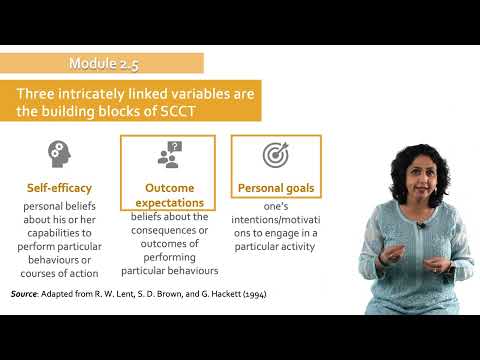
One key concept in this theory is *self-efficacy*. This is just a fancy term for believing in your own ability to succeed in a specific situation. For example, if you’ve always loved drawing but never tried to become an artist because you thought it wouldn’t pay the bills, that lack of confidence can totally hold you back. On the flip side, if you believe you could make it as an artist because you’ve done some freelance work or received compliments on your sketches, you’re more likely to pursue it.
Then there’s *outcome expectations*. This refers to what you think will happen if you choose a particular career path. Let’s say you’re considering becoming a teacher because you’ve always enjoyed helping people learn. If you think teaching brings job security and personal satisfaction, you’re more likely to go for it than if you believe teachers are underpaid and overworked.
Environmental factors play a huge part too. These are all the external stuff surrounding your career choices—like family support, cultural pressures, or even financial resources. If your parents are super supportive of your dream to become a chef but you’re being pushed toward something «safer» like engineering because it’s what they think is best? That can lead to some serious inner conflict.
You might also consider *role models*. Seeing someone succeed in a career can have a big influence on your choices. For instance, if there’s an inspiring tech entrepreneur in your community who made it big after starting from humble beginnings, she might motivate others like you who dream of launching a startup.
And let’s not forget about *personal goals*. Maybe you’ve got dreams of traveling the world while working remotely. Your aspirations will nurture your interest in careers such as digital marketing or app development where flexibility is key.
Here are some real-life applications of social cognitive career theory:
- Career counseling: Counselors use this theory to help clients identify their strengths and interests based on their experiences and self-efficacy.
- Workshops: Organizations might offer workshops that build skills while also enhancing self-esteem among participants.
- Educational programs: Schools often tailor programs that encourage students based on their perceived abilities and interests.
In essence, social cognitive career theory provides us with valuable insight into how our beliefs shape our careers. By understanding these dynamics—like self-efficacy and environmental factors—you can better navigate your own journey and take steps towards fulfilling work aligned with who you are at heart! It’s all about figuring out what resonates with you amidst all those influences swirling around.
Understanding Social Cognitive Psychology: Key Examples and Insights
Social cognitive psychology is all about how we learn from our social environments and experiences. It dives into the ways our thoughts, behaviors, and emotions are shaped through watching others and interacting with them. When we talk about career choices, this perspective becomes super interesting.
At its core, social cognitive theory emphasizes that your beliefs about yourself play a major role in the career decisions you make. For example, if you grew up seeing someone in your family thrive as a doctor, you might believe you can do that too. It’s all about those subtle cues and influences around us!
- Self-efficacy: This is basically your belief in your ability to succeed at something. If you think you’re great at math because of a supportive teacher or parent, you’re more likely to pursue a career in engineering or finance.
- Observational learning: You learn from what you see others do. Imagine watching a friend get an internship at a cool company—this might inspire you to aim for something similar.
- Outcome expectations: This refers to what you expect will happen as a result of your actions. If you believe studying hard will get you into a good college, you’ll be more motivated to hit the books!
You know how sometimes people say things like “You’ll be just like your sister!”? Well, that kind of encouragement (or pressure) can affect what career path someone might choose. Let’s say someone’s older sibling is amazing at sports; they might either feel inspired to pursue athletics or feel they can never measure up and go for something entirely different.
The environment plays a huge role too! Factors like socioeconomic status or cultural background shape opportunities available for exploration. A kid from a wealthy family might have access to different resources than one who doesn’t have some of those advantages. That doesn’t mean one’s choice isn’t valid; it’s just shaped differently by their surroundings.
Diversity of experience also matters greatly in this context. For instance, if you’ve had exposure to various professions through internships or volunteer work, it broadens your perspective on what careers are out there and lets you see where your interests truly lie.
The challenge is balancing all these factors when making decisions about the future. You might think you’re choosing based on personal preference alone when really there’s so much influence from past experiences and current perceptions swirling around in your mind.
If I could tell ya an anecdote—one time I spoke with Laura, who felt pressured to follow her family’s tradition of being engineers. But after working with kids during summer camps, she realized her passion was actually in education! Recognizing that her environment didn’t limit her helped her carve out her own unique path.
This whole social cognitive lens underscores why it’s important to reflect on the influences that shape our choices—some positive and some not so much! Recognizing these patterns can lead not only to self-improvement but also keep us aware of how we influence others too.
So there ya have it—the ins and outs of social cognitive psychology as it relates to career choices! It’s all about understanding ourselves and each other better by looking through that lens of observation and experience!
Understanding the Impact of Social Cognitive Career Theory (SCCT) on Career Choice Decisions
Social Cognitive Career Theory (SCCT) is like this interesting lens through which we can see how people make career choices. It’s built on a few ideas about how our thoughts, behaviors, and environment all play a role in shaping our career paths. The cool part? It’s got some practical angles that can help us understand why we choose the jobs we do.
Self-Efficacy is one of the big players in SCCT. Basically, it’s about believing in your ability to do something. If you think you can succeed in a certain career, you’re more likely to pursue it. For instance, if someone grows up around doctors and sees their success, they might feel inspired and confident enough to aim for a medical career themselves. On the flip side, if you don’t believe you can succeed in a field—say, because you’ve faced discouragement or haven’t had good role models—you might steer clear of those paths.
Another key concept is outcome expectations. This is about what you believe will happen if you choose a particular career. Like, if you’re thinking about becoming an artist but hear stories of struggle and financial instability from your friends or family, that could influence your decision-making process. You might decide that it’s too risky and opt for something more stable instead.
Let’s not forget about the contextual factors. These are all those life circumstances that can affect your decisions—like family background, cultural influences, and even job availability in your area. Imagine growing up in a community where tech jobs are booming; you’d probably be more inclined to explore careers in computer science or engineering since those opportunities are literally right outside your door.
SCCT also emphasizes the importance of goals. Setting specific goals shapes how you navigate your career choice process. If someone sets their sights on becoming a psychologist during college because they’re passionate about mental health, they will likely take courses related to psychology and seek internships that align with that goal.
Now here’s where it gets exciting: SCCT helps explain shifts in career choices over time too! Life isn’t static; people change careers for various reasons—new interests arise or situations shift. Let’s say someone starts working as an accountant but discovers a love for teaching while volunteering at a local school. They might reshape their self-efficacy beliefs and outcome expectations based on their new experiences, perhaps leading them down the path towards education instead of finance.
In summary, SCCT really lays out how personal beliefs intertwined with social influences shape our professional journeys. So next time you’re deciding between two job offers or thinking about making a big switch—remember: it’s not just about what skills you have; it’s also about how much belief you have in yourself and what context you’re working from!
So, let’s talk about career choices, shall we? It’s kind of a big deal, and honestly, it can be super confusing. You’re faced with endless options, pressure from society, family expectations—it’s a lot to digest. And that’s where the social cognitive lens in psychology comes into play.
This perspective dives into how our environments shape the way we see ourselves and what we think we can do with our lives. It emphasizes that our choices aren’t just a product of personal interests or skills; they’re also influenced by social factors—like what your friends do, the media you consume, and even values from your culture.
I remember when my friend Sarah was trying to figure out what she wanted to study in college. She loved art but felt pressured to pursue something “safer,” like business or engineering because that’s what her family thought was more practical. Every time she’d mention art, people around her would suggest making it a hobby instead of a career. That really messed with her head! Eventually, she started looking at other artists who made great careers for themselves and realized she could carve out her own path too.
What’s interesting is that social cognitive theory suggests this «self-efficacy» thing—basically how confident you are about your ability to succeed in certain tasks—plays a big role in decision-making too. If you feel like you can do something well, you’re more likely to go for it! So in Sarah’s case, when she saw other people making it as artists—and when she found support from some creative friends—it changed everything for her.
But it’s not all sunshine and rainbows. Sometimes we face negative feedback or stereotypes that can keep us stuck in limiting beliefs about what we’re capable of achieving. For instance, if you grew up hearing that certain jobs were not meant for people like you—that can create some serious roadblocks.
And then there’s observational learning! You know how kids often want to be like their parents? Well, this applies here too! If someone sees a relative thriving in a specific career or community members doing something impactful within their field—it sparks inspiration and ideas about possible routes they might take.
In the end—and I guess what I’m saying is—it all circles back to being aware of those influences around us while also realizing we have the power to make unique choices based on our passions and strengths. It’s about blending societal input with self-discovery. Just remember: your career journey doesn’t have to look like anyone else’s!