You know how sometimes you just can’t figure out why you did something? Like, why did I binge-watch that show instead of doing laundry? It’s wild, right?
Well, there’s a lot going on in our heads that drives our actions. Seriously! Our thoughts and beliefs shape how we behave more than we realize.
Think about it. Your mood can make you reach for pizza instead of salad, or push you to text that friend you haven’t talked to in ages.
In this chat, we’re gonna break down how little mental nudges affect your decisions every day. It’s all about those sneaky cognitive influences that shape what we do and why we do it.
Ready to unravel this crazy connection between what goes on up there and what we actually do? Let’s dive in!
Cognitive Factors Influencing Behavior: Understanding the Psychological Drivers
Cognitive factors are super interesting when we look at how they drive our behavior. Basically, these factors refer to the mental processes that affect how we think and act. Think of it this way: your brain is like a command center, and it processes all this information that shapes your decisions and actions.
Memory plays a big role here. Your past experiences get stored in your memory, influencing what you do now. For instance, if you once touched a hot stove and got burned, you’ll probably avoid doing that again. Your brain learned from the experience—and that’s exactly how memory shapes behavior.
Then there’s perception. This is about how you interpret what’s happening around you. Two people can witness the same event but walk away with completely different takes on it! Your beliefs and biases affect how you perceive things, which ultimately guides your behavior. So, if someone believes that they’re not good at sports, they might shy away from trying out for a team even if they’d enjoy it.
Attention is another crucial factor. It’s not just about what you notice—it’s also about what you choose to ignore. For example, if you’re engrossed in a book at the park and completely miss someone waving at you—it’s not that the wave wasn’t there; it’s just that your attention was focused somewhere else. What grabs your attention can heavily influence how you react to situations.
Cognitive biases—those sneaky little shortcuts our brains take—are also key players here. They can lead us to make irrational decisions or hold onto unhelpful beliefs without even realizing it. For instance, the confirmation bias makes us seek out info that supports our preexisting beliefs while ignoring anything contradictory. That could lead to some bad choices!
Let’s not forget decision-making processes. These are all about weighing options and figuring out the best course of action based on available information. Ever faced a tough choice between two job offers? The way your brain evaluates the pros and cons depends heavily on cognitive factors—your previous experiences, values, stress levels—all of that mixes together to shape what feels right in that moment.
Also, there’s problem-solving skills. How well do you figure things out when faced with challenges? Some folks tackle problems head-on; others take their sweet time or avoid them completely! Your approach is influenced by past encounters with similar problems and what strategies you’ve learned work best for you over time.
In short—and hey, I could keep going forever—our cognitive processes are like filters through which we view everything around us. They shape our memories, perceptions, decisions…basically everything! So next time you’re trying to understand why someone did something strange (like talking loudly in public), remember: their brain’s working with its own set of cognitive influences!
Cognitive Influences in Psychology: Understanding Their Impact on Behavior and Decision-Making
Cognitive influences play a huge role in how we act and make decisions every day. You might not even realize it, but your thoughts and mental processes shape what you do in ways that can be hard to spot. Let’s break this down.
Our brains are like complex machines. They process information all the time, and that processing affects our choices. When you’re deciding what to eat for lunch, your past experiences, beliefs, and even your mood can impact what you choose. If you’ve had a bad experience with a certain food before, you’re probably gonna avoid it, right? That’s **cognitive bias** at work.
- Cognitive biases are mental shortcuts we take that can skew our judgment.
- For example, the confirmation bias makes us look for info that supports what we already believe.
- If you’re convinced that exercise is the key to losing weight, you’ll likely ignore articles that suggest otherwise.
It’s kind of wild how our brains work like this. They simplify things so we can make quick decisions without overthinking every tiny detail. While that’s great most of the time, sometimes those biases lead us astray.
Another interesting point is cognitive dissonance. This happens when you hold two conflicting beliefs or attitudes at once—like wanting to save money but also loving those fancy lattes. You might rationalize your spending by saying it’s a “treat.” That discomfort pushes you to change either your beliefs or behavior to reduce the internal conflict.
- An example could be someone who smokes but knows it’s bad for their health.
- They might convince themselves that they’ll quit next month or that stress relief from smoking is worth the risk.
Decision-making isn’t just about cold hard facts; it’s emotional too! Your feelings seep into your cognitive processes all the time. Ever felt so pumped about a project that you ignored some serious flaws just because you were excited? That’s called being **overly optimistic**—another cognitive influence.
Then there’s availability heuristic, which is when we rely on immediate examples in our memory when making a decision. For instance, if you hear about someone winning big on lottery tickets recently, you might think, “Hey! I could win too!” So then, despite knowing statistically it’s unlikely, you buy a ticket anyway.
And let’s not forget sunk cost fallacy. This one hits home for many people. Ever stuck with a movie that’s awful just ‘cause you paid for a ticket? Or stayed in a relationship because you’ve already invested so much time? That’s our minds holding onto past investments instead of looking forward and making logical choices based on current circumstances.
So why does any of this matter? Well, understanding these cognitive influences helps us become more aware of why we do what we do—giving us some power back in decision-making! When you recognize these patterns in yourself—like maybe being too optimistic about risks—you can start making more thoughtful choices instead of falling into those mental traps.
Cognitive influences shape behavior and decision-making continuously. By getting familiar with them, you’re better equipped to navigate life with an extra layer of awareness about how your mind works. It’s all part of being human!
Understanding Behavior Through the Lens of Cognitive Psychology: Insights and Implications
Understanding behavior through the lens of cognitive psychology is pretty cool, actually. It’s all about how our thoughts, beliefs, and attitudes shape what we do. So, let’s break that down a bit.
Cognitive psychology looks at the mental processes that drive our actions. Think of it like this: if you see a spider and freak out, your brain processes all sorts of things before you even know it. You might remember a scary encounter with one as a kid, and bam! Your heart starts racing.
What’s interesting is that cognitive psychologists believe our behavior isn’t just about what’s happening around us but how we interpret those events. So let’s say you bomb an exam. You might think, “I’m such a failure.” This negative thought can lead to feelings of anxiety or sadness, which then affects your study habits moving forward. What happens next? You avoid studying because you feel like it’s pointless.
- Attribution theory plays a big role here. It’s all about how we explain our successes or failures.
- Take the same exam scenario: If you attribute your bad grade to lack of effort instead of bad luck, you’re more likely to change how you study.
- This shows us that changing how we think about situations can change our behavior dramatically.
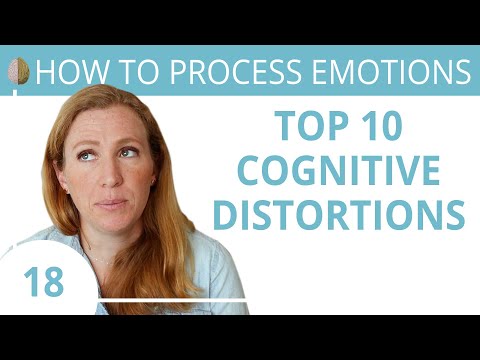
Another interesting component is cognitive distortions. These are basically exaggerated thoughts that can lead to unhealthy behaviors. For instance, if someone thinks “I have to be perfect,” they might stop trying altogether when they mess up once. That’s called all-or-nothing thinking.
Then there’s schema, which refers to the mental structures we develop over time based on experiences. Imagine you’ve had multiple negative experiences with dogs as a kid; now, every time you see one, your brain tells you it’s dangerous without even considering each dog as an individual! This can make social situations pretty tense.
Implications for everyday life? Well, understanding these cognitive influences can help us change harmful patterns in ourselves and others. If we notice negative thinking spirals in ourselves—or friends—we can work towards reframing those thoughts into something more positive or realistic.
One example could be facing public speaking anxiety: recognizing that your fear stems from unhelpful thought patterns (like “everyone will judge me”) allows for tackling those head-on with better beliefs (“People are here to learn from me”).
So yeah, cognitive psychology gives amazing insights into human behavior by emphasizing that it’s not always about what happens around us but how we think about it inside our heads! By addressing these thoughts directly, real change can happen—both in attitudes and behaviors!
You know, our brains are like these super complex computers, constantly processing information and influencing how we act. It’s kind of wild when you think about it! Cognitive psychology digs into this relationship between what’s going on in our noggins and how we actually behave in the real world.
Take memory, for example. Ever had a moment where something from your past just pops into your head and totally changes your mood? Maybe it’s a sweet memory of hanging out with friends or something that made you feel really embarrassed. That past experience can influence how you react to similar situations today! It’s like your brain is trying to protect you or guide you based on what happened before.
And then there are cognitive biases. These nifty little shortcuts help us make decisions quicker but can also lead us to misjudge situations. Like, let’s say you have a friend who always seems late. You might start believing that all of your friends are unreliable because of that one person—classic example of confirmation bias! You just focus on instances that support your belief and ignore the times when they were actually on time.
I remember having this friend back in high school who was super outgoing. I thought everyone must love her because she was so friendly. But then, I realized some people found her overwhelming and preferred quieter company. My own bias clouded my view, making me think everyone should see her the way I did.
So yeah, cognitive influences on behavior shape our interactions daily without us even noticing. By understanding these patterns better, we can sort through our feelings and reactions more effectively. It’s all about becoming aware of how our minds work and how they impact what we do!