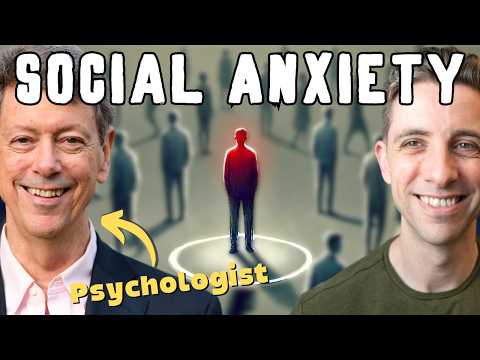
Have you ever felt like you just don’t quite fit in? Yeah, me too. Social disorders can make everyday situations feel like a minefield. You know, the kind of awkwardness that makes you wish for a trapdoor to open up?
So, what’s going on in the brain when social interactions go haywire? Well, it’s not just about being shy or avoiding eye contact. It’s a whole world of emotions and thoughts tangled up together.
Like that one friend of yours who always stands too close at parties—totally not reading the room! But these quirks often stem from deeper psychological patterns. Let’s explore those, shall we?
Understanding Psychological Disorders: Common Types and Their Impact
Psychological disorders can seem overwhelming, like a maze you can’t find your way out of. But when we break them down, it gets a bit clearer, you know? These disorders can impact every aspect of life – from how you feel to how you interact with others. Here’s a look at some common types and what they might mean for someone dealing with them.
- Anxiety Disorders: These are among the most common. If you’ve ever felt that rush of panic before a big presentation or fidgeted nervously in social settings, that could be anxiety. People with these disorders often experience excessive worry or fear, affecting their daily lives. Seriously, imagine feeling like something bad is always about to happen.
- Depressive Disorders: This isn’t just feeling sad for a day or two; it’s deeper than that. Imagine waking up and feeling like life is just gray and heavy all the time. Major depressive disorder can cause significant changes in appetite, sleep patterns, and energy levels. It’s more than just the blues; it can create barriers that seem insurmountable.
- Bipolar Disorder: This one swings between highs (mania) and lows (depression). Picture this: one day you’re on top of the world, full of ideas and energy; then suddenly, you’re in a pit where even getting out of bed feels impossible. These ups and downs can really throw off not only your mood but your relationships too.
- Personality Disorders: These are like deeply ingrained ways of thinking that affect how someone interacts with the world—think patterns that influence moods or relationships in persistent ways. For example, someone with borderline personality disorder might struggle with intense emotions and fear of abandonment. It’s tough because these feelings are so real!
- Obsessive-Compulsive Disorder (OCD): Ever get stuck on an idea? For people with OCD, thoughts become repetitive and overwhelming—like needing everything to be perfectly arranged or constantly checking if they locked the door. It can consume a lot of time and mental energy.
Now let’s talk about impact. Living with these disorders isn’t just about having symptoms; it affects your day-to-day living too—like work performance, family dynamic, or friendships.
Say you’re struggling with social anxiety disorder; this might make hanging out with friends feel impossible! You could miss out on important life events because the thought of being around others is too much to bear.
Also worth noting is how society views these conditions—it creates added pressure! Like when someone says “just cheer up!” as if it were that simple… frustrating!
Finally remember: understanding psychological disorders isn’t about labeling but about empathy and support for those affected by them. Being aware helps us create environments where people feel safe to express what they’re going through without judgment.
In short, delving into psychological disorders opens doors—to understanding ourselves better as well as those around us who may face invisible battles daily!
Exploring Psychological Lenses: Understanding Their Impact Through Real-World Examples
When we talk about psychological lenses, we’re basically discussing different ways to look at human behavior and mental processes. It’s like wearing different pairs of glasses. Each pair can reveal something unique about how someone sees the world. Different psychological perspectives can help us understand why someone might behave in certain ways, especially when it comes to social disorders.
Take, for instance, a kid named Alex who struggles with social anxiety disorder. When Alex goes to school, he feels this intense fear of being judged or embarrassed. If we look at Alex’s situation through a cognitive lens, we’d focus on how his thoughts shape his feelings. Perhaps he believes everyone is watching him closely when he speaks, which leads him to avoid speaking up in class. His brain is basically overestimating the risk of embarrassment.
Now if we switch our lens to a behavioral perspective, we might examine how Alex has learned these avoidance behaviors over time. Maybe he’s had some negative experiences in social situations that taught him it’s safer to stay quiet rather than risk rejection. You follow me? So, through this lens, treatment might involve helping him gradually face those fears.
Looking at things from a psychoanalytic perspective can provide even more insight! This viewpoint suggests that past experiences—like being teased or criticized by peers—could contribute to his anxiety today. You know, it’s like trying to untangle the threads of his childhood that still affect him now.
Consider another example: Emily, who has Obsessive-Compulsive Disorder (OCD). If we apply a biopsychosocial lens, we’d see how her mental health isn’t just influenced by her biology (like genetics) but also by her environment and social relationships. Maybe there was pressure at home for everything to be perfect, leading Emily to worry excessively about making mistakes.
Using these psychological lenses doesn’t just help us understand someone’s struggles; they also point toward different paths for support and treatment. For instance:
- Cognitive therapy: Helps people like Alex reframe negative thoughts.
- Behavioral techniques: Encourage others like Alex to gradually face social situations.
- Psychoanalytic therapy: Offers insights into past experiences affecting present behavior.
- Biopsychosocial approach: Promotes understanding the whole person and their context.
In real life, applying these various lenses lets us empathize better with those around us facing social disorders. Like seeing someone struggle with anxiety? Instead of jumping straight into assumptions about them being shy or rude, you might remember they could be fighting an internal battle nobody else sees. The beauty is in realizing everyone has their own story shaped by so many factors—thoughts, behaviors, history—and each lens helps us peel back those layers a bit more.
So yeah! Whether it’s through cognitive reframing or digging into someone’s background, using psychological lenses enriches our understanding and ultimately guides us toward compassion and support for those navigating tough times without losing sight of their potential.
Exploring the Psychological Perspective on Psychological Disorders: Insights and Implications
When you think about psychological disorders, it’s easy to picture the more dramatic cases, you know? But the truth is, they come in all shapes and sizes. Seriously! From anxiety and depression to more complex disorders like schizophrenia or personality issues, each one has its own quirks. Understanding these from a psychological perspective can really help us make sense of them.
First off, let’s talk about social disorders. These guys often affect how we interact with others. Imagine being at a party but feeling like everyone’s watching you, judging every move. That’s social anxiety in action! It can make ordinary situations feel overwhelming. You might even hear people say things like “just be yourself,” which is easier said than done when your brain’s on high alert.
The psychological perspective digs into what’s happening in your mind. It’s not just about symptoms; it’s looking at the underlying thoughts and feelings that fuel these disorders. For instance, someone with social anxiety might have negative beliefs about themselves or fear rejection so deeply that they avoid social situations altogether.
Next up is cognitive behavioral therapy (CBT). This approach looks to change unhelpful thought patterns—that’s where you challenge those pesky negative beliefs! You start to recognize when your mind is playing tricks on you. Think of it as training your brain to react differently in social situations or any other challenges life throws your way.
Another key idea is the role of environment. Your surroundings matter a lot! Stressful life events or toxic relationships can trigger or worsen psychological disorders. Like when someone feels isolated due to bullying; this can snowball into serious issues if they don’t get support.
Then there’s the biological side of things—don’t forget that! Some folks may have a genetic predisposition to certain disorders. Like if your parents struggled with anxiety, there’s a chance you could too because of both genetics and learned behaviors from them. It’s important to remember it’s not just about family history; it involves understanding how biology plays into psychology.
Now let’s get real emotional for a sec: imagine someone who’s dealing with depression—suddenly losing interest in things they once loved or isolating themselves from friends. This isn’t just about «feeling sad.» It can feel like an emotional void where joy should be, and understanding it through this lens helps us realize it’s more complex than it seems on the surface.
In summary, looking through a psychological lens gives us valuable insights into how and why these disorders happen and evolve over time. We see how thoughts and feelings mesh with our environment and biology—creating this intricate web that shapes our experiences.
So next time you’re thinking about mental health, remember: it’s not just symptoms we’re dealing with but real human experiences influenced by many factors around us—a mix of mind, body, and situation that tells a bigger story than we often give credit for!
So, let’s talk about social disorders, like anxiety disorders or social phobia. You know how sometimes you feel awkward in a crowd, or your heart races when you think about speaking in front of people? Now imagine feeling that way all the time, to the point where it really holds you back from living your life fully. That’s what some folks experience.
From a psychological perspective, these disorders often stem from a mix of genetics, personal experiences, and even environmental factors. Picture someone growing up in a household where expressing emotions was tough. They might internalize that and end up feeling anxious when interacting with others as adults. It’s frustrating because they may want to connect but just can’t shake off that overwhelming fear.
I remember this one time at a friend’s party where I felt so out of place. It hit me hard—everyone was laughing and chatting effortlessly while I just stood there sipping my drink like it was my lifeline. It’s those moments when you realize how deeply social discomfort can affect someone’s self-esteem and relationships.
The thing is, understanding these disorders isn’t just about knowing the symptoms; it’s about realizing how they impact day-to-day life. People struggling with social disorders often deal with negative self-talk and worry about being judged by others. That can create this vicious cycle where they avoid situations more and more, which only deepens the isolation and anxiety.
So when we view social disorders through a psychological lens, we’re peeking into the complex interplay between thoughts, feelings, and behaviors. It highlights how important empathy is in dealing with these situations—whether for yourself or for someone else who’s battling their own inner demons.
You know what stands out? The resilience many people show. It takes time to work through those layers of anxiety and fear; it doesn’t just flip overnight like a light switch. But understanding these challenges can create more supportive environments for everyone involved—making it easier to reach out without judgment hanging over our heads.
And honestly? Just being aware can make such a difference—whether it’s taking small steps towards facing fears or simply offering that nod of understanding to someone who looks lost at a gathering. We’re all kinda navigating this messy thing called life together!