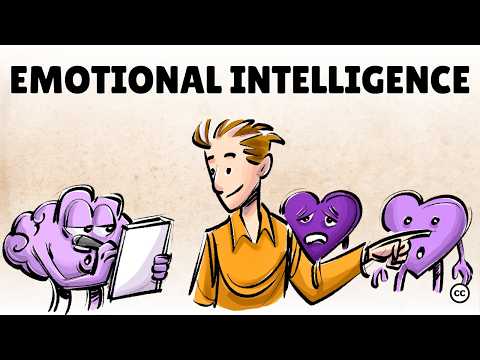
So, let’s chat about something we all deal with—our feelings. You know how sometimes you just feel “off,” but can’t put your finger on why? Or maybe you’ve noticed a friend who seems to handle stress like a champ while you’re over here freaking out?
That’s emotional intelligence for you! It’s not just a fancy term thrown around in self-help books. It’s about understanding your emotions and the emotions of others, and it plays a huge role in your mental health.
Think of it like this: if emotions were a video game, emotional intelligence would be your cheat code. It helps you navigate life with more ease and resilience. Curious about what that all means for your day-to-day? Let’s dive into it together!
Understanding the Impact of Emotional Intelligence on Mental Health: A Comprehensive PDF Guide
Emotional intelligence, or EI, is basically your ability to understand and manage your own emotions and those of others. It’s like having a superpower in navigating life! When you’re emotionally intelligent, you can respond to situations more effectively and maintain better relationships. So, how does this play into mental health? Let’s break it down.
First off, emotional intelligence has a big impact on how you handle stress. When you can identify what you’re feeling, it’s easier to tackle those emotions before they spiral out of control. For example, instead of just feeling anxious about an upcoming deadline, someone with high EI might recognize that anxiety and then take steps to manage it—like breaking the project into smaller tasks or reaching out for help.
Another critical aspect is empathy. This is all about understanding what others are feeling and responding accordingly. Strong empathy can lead to better relationships. Imagine being in a heated argument with a friend; if you can see things from their perspective, you’re more likely to find common ground instead of just escalating the conflict. That not only helps your friendship but also keeps your mental state balanced.
Then there’s self-regulation. This means managing your reactions—which is super important when it comes to maintaining mental health. Let’s say you get angry over something trivial at work; if you have good self-regulation skills, you might take a breath and think twice before reacting harshly. This ability can prevent misunderstandings that often lead to stress and anxiety.
Also, emotional intelligence contributes significantly to resilience. Resilience is that bounce-back quality we admire in people who seem unshakeable even when life throws curveballs their way. When you’re emotionally intelligent, you’re more likely to look at setbacks as learning experiences rather than failures—making it easier for you to move forward without getting bogged down by negativity.
Moreover, people with higher emotional intelligence often report better overall well-being—they’re generally happier! They tend to have stronger support networks since they know how to communicate feelings honestly and openly with those around them.
So what does this mean for mental health? Here are some key points:
- Enhanced Stress Management: Recognizing emotions helps cope effectively.
- Better Relationships: Empathy leads to deeper connections.
- Improved Conflict Resolution: Understanding perspectives reduces arguments.
- Stronger Self-Regulation: Control over reactions prevents unnecessary drama.
- Resilience Development: Viewing challenges as lessons fosters growth.
- Increased Happiness: Good EI often correlates with greater life satisfaction.
In summary, understanding and improving your emotional intelligence can be a game-changer for your mental health! Think of it like building muscle—you’ve got the tools right inside you; sometimes it just takes a little practice and awareness. So maybe next time you’re feeling overwhelmed or stuck in your head, pause for a second—check in with those emotions—and see if there’s something better on the other side waiting for you!
Enhancing Daily Life: The Essential Role of Emotional Intelligence in Personal and Professional Success
Emotional intelligence, or EI for short, plays a massive role in shaping our daily lives and success at work and in our personal relationships. It’s like this hidden superpower we all kinda have, whether we realize it or not. Seriously, think about the times when you just *got* someone’s vibe. That’s emotional intelligence in action.
What is Emotional Intelligence?
So, basically, emotional intelligence is all about your ability to recognize and manage your own emotions and the emotions of others. It involves four main skills: recognizing emotions in yourself and others, using that emotional information to guide thinking and behavior, understanding emotional language, and managing emotions effectively.
Why Does It Matter?
Here’s why it matters: when you’ve got high emotional intelligence, life becomes easier to navigate. You communicate better. You connect with people more deeply. You handle stress like a champ! Imagine dealing with a coworker who’s having a bad day. Instead of getting frustrated or defensive, your EI kicks in—you empathize with them. That not only smooths things over but also builds trust.
How EI Enhances Daily Life
When you tap into your emotional intelligence:
- You Become More Resilient: Life throws curveballs at everyone—like losing a job or facing personal challenges—but people with high EI bounce back faster.
- You Communicate Effectively: Think about a time you had a misunderstanding with someone. With EI skills, you’d be better equipped to express your feelings without escalating tension.
- You Build Stronger Relationships: Being attuned to other people’s feelings fosters deep connections. You know how nice it feels when someone truly listens and understands you? That’s the power of EI!
- You Manage Stress Better: Emotional intelligence helps you identify when you’re stressed out or overwhelmed and allows you to take steps to alleviate that pressure.
One time I was working on a group project where tensions were running high because nobody could agree on anything. I noticed one team member seemed frustrated; they were quiet but visibly upset. Instead of just pushing ahead with my ideas (which is what I wanted), I took a moment to check in with them. Turns out they had some great input but felt ignored! By acknowledging their feelings, we turned the whole situation around—a win-win!
The Professional Edge
In professional life, emotional intelligence can set you apart from the crowd. Employers often look for people who can collaborate well in teams and handle conflict gracefully—qualities found in EMOTIONALLY INTELLIGENT individuals.
- Leadership Qualities: Leaders who are emotionally intelligent inspire their teams more effectively than those who aren’t.
- Navigating Office Politics: Understanding dynamics can help avoid unnecessary drama at work!
So yeah, enhancing your daily life through emotional intelligence isn’t just touchy-feely stuff—it has serious real-world benefits! By developing this skill set through practice—like being mindful of how you react emotionally—you’re not only improving yourself but also making those around you feel valued too.
Emotional intelligence isn’t some magic trick; it takes practice like anything else worth doing! But once it clicks? Wow! Your life—both personal and professional—can become way more fulfilling than before!
10 Effective Strategies to Enhance Your Emotional Intelligence for Personal and Professional Growth
Emotional intelligence is like having a superpower that helps you notice and manage your own feelings, as well as understand the emotions of others. It plays a massive role in how we connect with people, both personally and professionally. You know that feeling when someone just gets you? That’s emotional intelligence working its magic!
To boost your emotional intelligence, there are some pretty effective strategies you can try out. Here’s a rundown of a few practical ones:
- Self-awareness: This is where it all starts! Take time to reflect on your emotions. Keep a journal or just pause to check in with yourself during the day. What am I feeling right now? Why?
- Practice empathy: Seriously, putting yourself in someone else’s shoes can change everything. Think about how they might feel in different situations. Next time you’re in a conversation, really listen and try to understand their perspective.
- Manage your emotions: It’s super important to not let your feelings run wild. If you’re angry or sad, take a breather. Do some deep breathing or go for a walk to get back on track.
- Improve communication: How you express yourself matters! Use “I” statements when discussing feelings—like “I feel stressed when…” instead of pointing fingers. It invites better conversations.
- Cultivate relationships: Build connections with people around you. It could be as simple as asking someone how their day went or sharing something personal about yourself—it helps create bonds!
- Handle conflict gracefully: Conflicts are part of life, right? Approach them calmly and focus on solutions rather than blaming each other. When conflicts come up, see them as chances to grow together.
- Sustain positivity: Positivity is contagious! Try to keep an optimistic outlook even when things get tough. Share good vibes at work or home—your energy can uplift those around you.
- Pursue lifelong learning: Emotional intelligence isn’t static; it can grow over time! Read books about emotions, attend workshops, or even join groups focused on interpersonal skills.
- Savor feedback: Don’t shy away from constructive criticism! Embrace it as a tool for self-improvement. Ask trusted friends or colleagues how they perceive your emotional responses.
- Simplify decision-making: Emotions influence our choices more than we realize! When making decisions, pause and ask yourself how you feel about the options available—this prevents rash choices driven by emotion alone.
So, why worry about all this emotional intelligence stuff? Because enhanced emotional smarts lead to better relationships at home and work! Plus, when you’re more self-aware, you’re less likely to get caught up in drama or misunderstandings.
Just imagine how much smoother things would go if everyone tuned into their emotions more effectively—it could totally reshape workplaces and friendships alike! So grab these strategies and start enhancing your emotional intelligence today; it’ll pay off big time in every aspect of life.
Emotional intelligence, or EI as some folks call it, is like that secret superpower we all have – even if we don’t always realize it. It’s about recognizing not just your own feelings but also the emotions of others. You know how sometimes you just *get* what someone else is feeling? That’s your emotional intelligence kicking in!
Picture this: you’re hanging out with a friend who seems off, maybe a little quiet or distracted. Instead of just brushing it aside as a “bad day,” you ask them if they’re okay. That simple act can open up a conversation and create a deeper connection. This is where emotional intelligence really shines in helping build relationships, which are super important for our psychological wellbeing.
And think about how often we face tough situations or conflicts with others—maybe at work or even in family gatherings. When you can navigate those tricky waters by understanding how others feel, it doesn’t just make things smoother; it can also help reduce stress and anxiety. Seriously, it’s like having a mental buffer against the chaos life throws our way.
Now, here’s the kicker: being emotionally intelligent isn’t just about handling social situations better; it helps with self-regulation too. When you know what triggers your feelings—like getting mad when someone cuts you off in traffic—you can find healthier ways to deal with those emotions instead of bottle them up or explode at the wrong time.
You might remember that time when I was feeling pretty down after missing an important event? I felt isolated and sad until I reached out to friends who got me through it by simply listening and sharing their experiences. They showed me that acknowledging your feelings—and letting others do the same—can be so powerful for mental health.
Essentially, emotional intelligence plays this crucial role in helping us understand ourselves and connect better with those around us. It builds resilience, promotes empathy, and honestly makes life feel a bit more manageable. When we can tap into that EI superpower regularly, we’re not just surviving; we’re thriving!