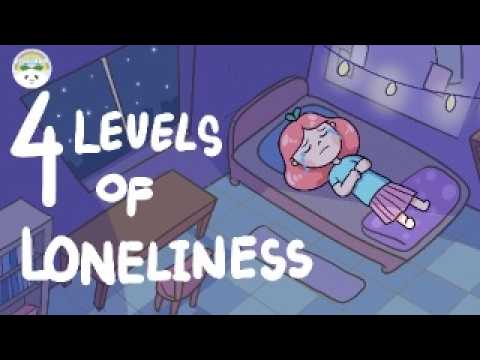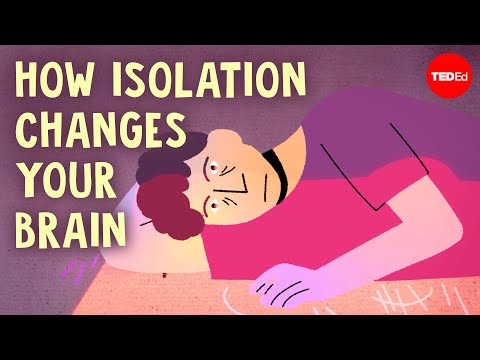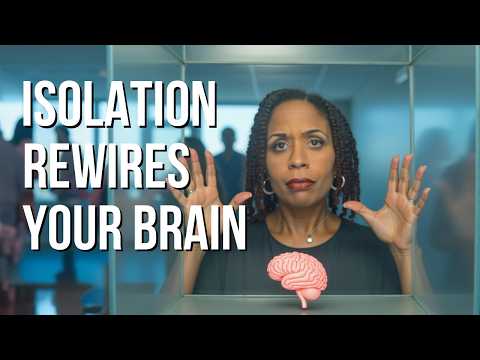
You know that feeling when you’re surrounded by people, but still feel totally alone? Yeah, that’s a tough spot. Loneliness can hit hard, especially in our fast-paced world.
It’s wild how connected we are—social media, texting, all that jazz. But sometimes it feels like we’re more isolated than ever. Like, what’s up with that?
People might brush it off, thinking it’s just a phase. But trust me, the impact goes way deeper than we realize. It can mess with our minds and emotions in some serious ways.
So let’s chat about the psychological toll of loneliness. There’s a lot to unpack here, and it might hit home for you or someone you know. Ready?
Understanding Gen Z Loneliness: Key Factors and Implications for Society
Loneliness is becoming a huge issue, especially for Gen Z. This generation, born roughly between 1997 and 2012, has unique circumstances that amplify feelings of isolation. The thing is, with social media at their fingertips, you’d think they’d be super connected. But that’s not always the case.
First off, let’s talk about technology. Many Gen Zers grew up in a digital world where online interactions often replace face-to-face conversations. While it’s cool to chat with friends through texts or on platforms like TikTok and Instagram, these virtual connections can feel a bit shallow. You might find yourself scrolling through perfectly curated lives but still feeling alone in your room.
Another factor is the pressure that comes with social media. There’s this constant push to present an ideal self online. It’s exhausting! And when you compare your real life to everyone else’s highlight reel, it can heighten feelings of loneliness and inadequacy. Remember that time you felt left out when everyone was posting about a party you weren’t invited to? Ouch! Those moments sting.
Moreover, mental health issues are rising among young people today—depression and anxiety rates have skyrocketed in recent years. If you’re already feeling low, loneliness can make everything worse. It’s like this vicious cycle: feeling lonely can lead to more depression, which leads to even more loneliness.
There are also some societal changes at play here. Gen Z tends to value authenticity and meaningful connections over casual friendships or acquaintanceships. But building close relationships takes time and effort, which might be tough when you’re juggling school, work, and everything else happening in life.
- The rise of remote work and learning: Having virtual classrooms or jobs means less daily social interaction outside home.
- Shifting family dynamics: Many young people don’t live in traditional family setups anymore; they might be living away from home for school or work.
- Cultural influences: Solo activities like binge-watching shows alone are common now; it creates a sense of connectedness but also distance from genuine relationships.
The implications for society are pretty significant too! Increased loneliness among Gen Z could lead to larger mental health crises down the line if not addressed properly. Think about it: if a whole generation feels isolated, how does that affect our communities? It can lead to decreased productivity and increased healthcare costs as well!
So what do we do about this? Well, it starts with open conversations about loneliness and mental health—creating environments where young people feel safe talking about what they’re experiencing without judgment is key! Community programs focusing on face-to-face interaction could help bridge some gaps too.
Ultimately, tackling loneliness requires understanding its roots and making efforts toward connection—both online and offline—in meaningful ways. Remember, no one should ever feel alone even if they seem surrounded by screens!
Understanding Loneliness: Insights from Psychology Today on Its Causes and Effects
Loneliness is a complex emotional state that can hit anyone, anywhere, at any time. It’s not just about being physically alone; you can be in a crowd and still feel isolated. Psychology today sheds light on the causes and effects of loneliness, which is super relevant in our fast-paced, hyper-connected world.
First off, let’s look at what causes loneliness. There are several factors that play a role:
- Social Media Pressure: You might think scrolling through feeds connects you to others, but it can actually deepen feelings of isolation.
- Life Transitions: Big changes like moving to a new city or starting college can shake your social network.
- Aging: Older adults often face social circles shrinking due to retirement or loss of loved ones.
I remember chatting with an old friend who moved away for work. She thought she could easily make new friends but ended up feeling more lonely than ever. It was because she missed her familiar circle and felt overwhelmed trying to fit into new groups.
Now, the effects of loneliness are pretty profound too. Studies show it can impact both mental and physical health:
- Mental Health Issues: Feelings of loneliness are strongly linked to anxiety and depression. It’s like a feedback loop—feeling lonely may lead you to withdraw even more, perpetuating the cycle.
- Physical Health Risks: Believe it or not, chronic loneliness can be as dangerous as smoking! It increases your risk of heart disease and even weakens your immune system.
- Cognitive Decline: For older adults especially, persistent feelings of isolation can lead to faster cognitive decline over time.
It’s kind of heartbreaking when you think about it—people surrounded by others but feeling totally detached mentally.
But there’s hope! Understanding that loneliness isn’t just an individual issue helps us see how we can combat it together. Initiatives aimed at fostering community connections have been gaining traction. For example, local groups might organize social events or volunteer opportunities to bring people together.
In a nutshell, loneliness is more than just feeling alone; it’s a pressing societal issue. Recognizing its causes and effects allows us to take steps toward rebuilding those crucial social connections we all need for a healthy life. So next time you feel isolated or disconnected, remember: you’re not alone in feeling this way! And reaching out—whether it’s giving someone a call or joining a club—can really make a difference in breaking that cycle.
Exploring the Effects of Antidepressants on Loneliness: What You Need to Know
Loneliness can hit hard, right? You might find yourself in a crowded room but still feel completely isolated. It’s not just about being physically alone; it’s that deep emotional feeling of disconnect. Studies show that loneliness can have serious psychological effects like depression, anxiety, and even physical health problems.
Now, let’s talk about antidepressants and their potential impact on loneliness. You might have heard about these medications helping folks who are feeling down. But do they actually affect feelings of loneliness? Here’s where it gets interesting.
Antidepressants and Emotional Connection
Antidepressants work by balancing certain chemicals in the brain that affect mood, like serotonin. When someone takes these meds, they may start to feel less overwhelmed by negative feelings. This could make it easier to connect with others. Think about it: if you’re less anxious or sad, you might be more likely to reach out for social interactions.
The Double-Edged Sword
However, here’s the kicker: while some people experience relief from their depressive symptoms and thus feel less lonely, others report feeling emotionally numb or disconnected altogether. Imagine going from feeling really down to feeling…nothing at all. It’s kind of like turning off a painful song but also missing the emotional highs of music altogether.
Social Withdrawal
Also, there’s an idea called «social withdrawal.» Sometimes when people start taking antidepressants and feel a bit better mentally, they may withdraw socially as a coping mechanism. It’s like saying “I’m doing okay now, so I don’t need friends as much.” This can lead to a paradox where they ironically feel lonelier after starting medications meant to help with depression.
- The effectiveness can vary widely among individuals.
- Some people report increased energy levels which might motivate them to reach out socially.
- There’s still a risk for others who may find that their social circles don’t change.
- Sometimes the very connectivity they’re looking for isn’t just in pills; it’s also in therapy or social support systems.
Psychological Counseling
You know what could help? Combining antidepressant use with psychological counseling! Therapy offers a safe space to explore feelings of loneliness while dealing with underlying issues contributing to depression. It can help you build stronger connections and find more meaning in relationships.
In summary, while antidepressants could alleviate some symptoms associated with loneliness by improving mood and reducing anxiety, they’re not a magic bullet. The experience varies widely depending on the person’s situation and mindset.
So if you’re thinking about this whole loneliness-antidepressant connection for yourself or someone else you know, it’s super important to consider the bigger picture—meds alone might not solve everything! Connections are key!
Loneliness, wow, it’s a heavy topic, isn’t it? I mean, you just gotta think about how many folks feel alone these days, even though we’re more “connected” than ever through social media and smartphones. Picture this: You’re scrolling through your feed, seeing friends having a blast at parties or sharing cute pet pics. But at the same time, you might be sitting on your couch with just a bag of chips for company. It can get weirdly isolating.
There’s something about modern life that makes loneliness sneak up on you. You might be in a crowded room and still feel like you’re in a bubble. That’s because connection isn’t just about proximity; it’s about feeling understood and valued. When that connection is missing, loneliness can really take a toll on your mental health.
Think of it this way: Remember that time when you felt totally down but didn’t really feel like talking to anyone? Maybe a friend reached out to cheer you up, but instead of lifting your spirits, it felt like adding another layer of pressure to pretend everything was fine? Yeah, we’ve all been there. It’s tough because the very people who could help are sometimes the ones we push away.
Psychologically speaking, loneliness can lead to anxiety and depression. It’s not just an emotional experience; it has real effects on our brains—like causing stress and making us more vulnerable to illness. Crazy how being alone can literally change how we function!
And let’s not forget how societal pressures play into all this. There’s this idea that we should always be busy or socializing; if we’re not out living our best lives every weekend or hanging out with friends daily, somehow we’re doing it wrong. That can amplify feelings of inadequacy or isolation.
So what do we do? Well, there’s no one-size-fits-all answer here. Some folks find comfort in reaching out for support groups or community activities where they can meet people who get what they’re going through. Others might dive into hobbies—like art or gardening—that allow for personal reflection while still connecting with others in some way.
The thing is—you’re definitely not alone in feeling lonely sometimes! A lot of people are navigating these strange waters right now. So maybe next time you see someone who seems isolated or disconnected, consider extending a hand or simply saying hi; you never know what kind of difference that could make in someone’s day—even yours!