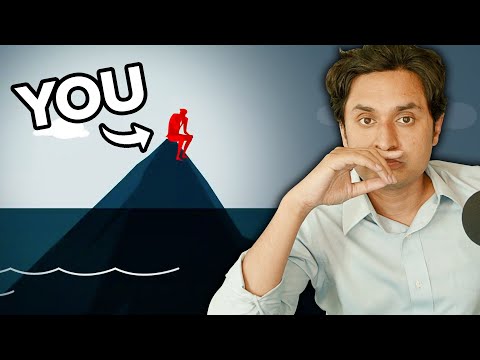
You know, social isolation can hit harder than we think. We’ve all had those days where it feels like the world’s moving without us, right?
Imagine being stuck in your room for a long time. You binge-watch shows, scroll endlessly through social media, but something feels off.
Well, that feeling isn’t just in your head. Seriously. When you cut off social interactions for too long, it messes with your brain in ways you might not expect.
Let’s chat about what happens to us mentally when we’re isolated and why it matters so much. You with me? Cool!
Understanding the Psychological Effects of Social Isolation: Insights and Implications
Social isolation. It’s something we’ve all felt, whether from moving to a new city or those quiet moments when you’re alone at home. But it’s not just about being physically alone; it can hit deep psychologically.
The Emotional Toll
Being socially isolated can really mess with your emotions. For example, you might start feeling lonely or sad, almost like there’s a shadow hanging over you. Those feelings can spiral into more serious issues, like depression and anxiety. I remember a friend who moved away for a job and felt totally cut off from his support system. Over time, he became withdrawn and even anxious in social situations when he returned home.
Cognitive Decline
Another effect is on your brain—yeah, I’m talking about cognitive decline! Lack of social interaction can impact memory and brain function over time. Think about it: our brains thrive on connections and conversations. When those are missing, it’s like a plant without water; it starts to wilt. Studies have shown that folks who are isolated may struggle with concentration and decision-making.
Physical Effects
Now, let’s throw in some physical stuff because they’re more connected than you think. Isolation can lead to health issues over time—serious ones like heart disease or weakened immune systems. When you’re feeling down or stressed out because you’re lonely, your body responds by releasing stress hormones that are no good for your health long-term.
The Cycle of Isolation
It’s kind of a vicious cycle too! Feeling isolated leads to negative thoughts, which make you want to avoid people even more, which then makes the loneliness worse… You get the idea? You might think everyone else is having fun without you, but in reality? A lot of people are probably feeling the same way!
The Importance of Social Connections
So what does this all mean for you? Basically, social connections matter more than we often realize! Even small interactions—like chatting with a neighbor or sending a text to an old friend—can help ease feelings of isolation.
Building Resilience
Also worth mentioning is resilience. People have this incredible ability to bounce back from tough times! If you’ve been through something similar as my friend did but find ways to connect again (even if it’s just online), it’s amazing how quickly things can turn around.
In the end, understanding the psychological effects of social isolation gives us better insight into why reaching out really matters—not just for ourselves but also for others who might be feeling alone too. Keep those connections alive!
The Psychological Impact of Social Exclusion: Understanding the Effects of Ignoring Others
The Psychological Impact of Social Exclusion is a heavy topic, but it’s one that many people experience at some point in their lives. When you think about being excluded or ignored, it can stir up some pretty intense feelings. But what does this really mean for your mind and emotions?
First off, let’s break down what social exclusion is. It happens when someone feels left out, like not being invited to a party or ignored in a group setting. You might be in a room full of people but still feel completely alone. That feeling can really sting.
So, why does this hurt so much? Well, humans are social creatures; we thrive on connections with others. When you’re excluded, it can lead to a cascade of negative feelings and thoughts. You might start questioning your worth or whether there’s something wrong with you.
- Emotional responses: Feelings of sadness and loneliness are common. These emotions can sometimes spiral into depression if the isolation continues.
- Cognitive effects: Being ignored affects how you think about yourself and others. You may start to see the world as a hostile place.
- Behavioral changes: People who face exclusion might withdraw even more from social situations or act out in frustration.
Think back to that moment when you weren’t picked for a team in gym class or maybe saw your friends hanging out without you on social media. It’s like getting hit by an emotional bus—you feel rejected, invisible, and often unworthy.
But it doesn’t just stop there; there are long-term effects too! People who experience ongoing social exclusion can develop anxiety disorders and struggle with low self-esteem. Imagine feeling like no one cares about your presence—that can have lasting impacts on how you approach relationships later on.
Now, here’s something that might surprise you: studies suggest that the brain reacts to social exclusion similarly to physical pain! Yep, it fires up in ways that show our minds take these social hits very seriously—just like if we’d stubbed our toe.
Another angle to consider is how this behavior shows up at work or school. A person who feels excluded may not participate fully in group projects or hesitate to share ideas during meetings because they fear further rejection.
The big takeaway here is that social connections matter deeply for mental well-being. It’s crucial for all of us to foster inclusivity and reach out when we notice others feeling left out because nobody deserves that emotional weight.
In short, dealing with social exclusion isn’t just an “emotional thing.” It impacts every corner of our psyche—how we think about ourselves, relate to others, and even how we navigate life’s challenges overall! So always keep an eye out for those around you; sometimes even just saying “Hi” could make someone feel seen again!
Exploring the Link Between Isolation and Hallucinations: Understanding the Psychological Impact
So, let’s talk about isolation and hallucinations. It sounds a bit intense, doesn’t it? But seriously, the connection between the two is something to think about.
Isolation can mess with your head in ways that are pretty surprising. When we say “isolation,” we’re often referring to both physical and social isolation. Like, being alone for long periods or just not having anyone to chat with. Alone time isn’t bad for you; it’s when it stretches on for too long that things can get tricky.
Imagine being stuck at home during a rainy week with hardly anyone to talk to. At first, you might enjoy the peace and quiet, maybe catch up on some shows or read a good book! But then, as days turn into weeks, that silence could turn oppressive. Your mind may wander into some strange territories. You follow me?
Hallucinations are actually perceptions of things that aren’t there—like hearing voices or seeing movements out of the corner of your eye. This can happen when someone is isolated for an extended period. The brain starts playing tricks; it’s like it’s bored and needs stimulation—so it creates its own!
- Your brain craves input from others and when it doesn’t get enough real communication, it might start inventing experiences.
- This phenomenon isn’t just limited to extreme cases; even mild forms of isolation can lead to distorted perceptions.
- Studies show that people who isolate themselves frequently report more visual disturbances than those who maintain regular social interactions.
The thing is, chronic loneliness can lead individuals into a downward spiral where their mental health takes a hit. Stress hormones ramp up when you spend too much time alone. Increased anxiety makes it harder to differentiate between what’s real and what’s imagined.
You ever hear stories about people in solitary confinement? Those accounts shed light on how lack of human connection can lead someone down a path where they see things that aren’t there or hear whispers in the dark. It’s not just fiction; these experiences are very real and deeply felt by those going through them.
The psychological impact doesn’t stop at hallucinations though; there’s also the risk of developing mood disorders such as depression or anxiety. Feelings of hopelessness can creep in when there’s no one around to pull you back up.
- Feeling isolated tends to amplify negative thoughts—you know how easy it is to spiral downward when you’re alone?
- You might start thinking nobody cares or nobody loves you, which only worsens your sense of isolation.
This cycle makes reaching out even harder because you become entrenched in those lonely feelings. It’s a tough spot! Studies indicate that just having supportive friends or family around helps lessen these risks significantly.
The solution? Well, it revolves around human connection! Finding ways to interact with others—whether through phone calls, online chats, or even meeting up occasionally—can help break that cycle of solitude. You don’t have to dive deep into conversations if you’re not feeling up for them; sometimes just saying “hi” is enough!
Ultimately, while spending time alone isn’t inherently bad—it becomes risky when prolonged without interaction. So if you’re feeling isolated—or know someone who is—encourage those small connections! They make a world of difference in keeping our minds healthy and more grounded in reality.
Alright, let’s chat about social isolation and how it messes with our heads. You know, when you think about it, we’re social creatures by nature. It’s just how we roll. Having friends, family, or even just acquaintances around can really make a big difference in our mood and overall well-being.
Picture this: imagine someone who used to hang out with friends every weekend. They’d go out for coffee, catch a movie, or just joke around at home. Suddenly, for whatever reason—maybe they moved to a new city or their schedule got crazy—they find themselves spending all their time alone. At first, it might feel liberating—no obligations! But over time? It can get pretty heavy.
Social isolation can lead to a whole range of emotional issues. For instance, loneliness sneaks up like an uninvited guest at a party—it’s uncomfortable and awkward. When you’re isolated for too long, feelings of sadness and anxiety can start creeping in like shadows in the evening light. Seriously! You might find yourself spiraling down negative thought patterns that seem impossible to escape.
There’s also the issue of physical health that people don’t always connect the dots on right away. Studies show that being socially isolated can actually mess with your immune system—how wild is that? When you feel lonely or disconnected from others, your body might react as if it’s under stress all the time. And stress isn’t exactly a good friend when it comes to staying healthy.
And let’s not forget about cognitive function! Isolating yourself too much can make your brain feel foggy and sluggish—like trying to think through molasses! You know how sometimes you just forget things because you haven’t been engaging much? That’s part of it too.
It’s funny how sometimes we don’t realize what we miss until it’s gone. Sharing laughs over dinner or chatting about your day helps create those little emotional connections that keep us grounded. So if you ever find yourself feeling isolated—even if it’s just because you’re busy or stressed—try reaching out to someone, even if it feels awkward at first.
It’s clear that social ties are crucial for our mental health—you know? If you ever feel like you’re stuck in isolation’s grasp, remember there are ways to reconnect—to reach out and rebuild those little bridges back into connection with others again.