You know, sociopathy is one of those terms that gets thrown around a lot. People often say it casually, like it’s just another personality quirk. But, like, it’s way more complicated than that.
Some folks think sociopaths are all like villains in movies—cold and calculating. But there’s a whole psychological side to it that many don’t consider.
Ever met someone who seems charming but leaves a trail of chaos behind them? That’s the kind of stuff we’re talking about here. It’s not just about being antisocial or acting out; it runs deeper into how these individuals connect—or fail to connect—with others.
So let’s chat about what sociopathy really means and how it fits into the big picture of human behavior. Grab a snack; this might be more interesting than you think!
Understanding the Psychological Definition of a Sociopath: Key Traits and Implications
Sociopathy is one of those terms that gets thrown around a lot, but its psychological definition can be a bit murky. Basically, it refers to a personality disorder that falls under the umbrella of antisocial personality disorder (ASPD). You know, it’s when someone has a pretty significant lack of empathy and often disregards social norms and laws.
Now, if you’re wondering what key traits define sociopaths, here are some notable ones:
Talk about implications! The way sociopaths interact with society can create some serious ripple effects. It’s not just them being difficult; they can have negative impacts on relationships, workplaces, and communities.
Imagine working with someone who has these traits—trust goes out the window pretty quickly. You could end up feeling drained or even paranoid because they play mind games without even blinking.
In relationships? Well, it’s way tougher. You might find yourself questioning everything because they’re so adept at turning things around on you.
And here’s another thing: sociopathy isn’t something you can just spot right off the bat. Sometimes people might seem perfectly normal at first glance—charming even! It’s only later that their true colors show.
There’s also this idea that sociopathy exists on a spectrum—you’ve got folks who might show mild traits in day-to-day life but don’t cause any real harm, while others may exhibit extreme behaviors that lead to criminal activities.
So when we think about sociopathy from a psychological standpoint, we’re looking at complex patterns—like pieces of an intricate puzzle—that make up how these individuals navigate through life and how their actions impact those around them. It’s not black and white; there are shades between understanding why they do what they do and protecting ourselves from how they operate.
Exploring the Ethical Dimensions: Can a Sociopath be Considered a Good Person?
So, let’s dig into this interesting question: Can a sociopath be considered a good person? First off, we gotta understand what sociopathy is all about. Basically, it’s part of a cluster of conditions called Antisocial Personality Disorder (ASPD). People with sociopathy often show patterns of manipulation, disregard for others’ feelings, and a whole lot of impulsivity.
And here’s where it gets tricky. The term «good person» usually comes with a moral baggage that can be pretty heavy. You know, things like empathy, kindness, and respect for others—qualities that some people with sociopathy might struggle to grasp. They often lack the emotional depth or connection that many of us rely on when we talk about morality. Still, not all sociopaths are outright criminals or monsters.
You see, some folks with these traits can function quite well in society. They might excel in jobs that require cool-headed decision-making under pressure. Think about it: who better than someone who doesn’t panic at the thought of making tough calls? A sociopath might even lead teams effectively in high-stakes environments where emotions can cloud judgment. But does that make them good people?
Here are some important points to consider:
- Manipulation vs. Charisma: Some sociopaths can be charming and charismatic. They may use these traits to their advantage but often without genuine concern for others.
- Social Functioning: Many can blend into society just fine. You probably know someone who seems perfectly normal but may have underlying antisocial tendencies.
- Actions vs. Intent: Sometimes they may do positive things—like volunteering or helping out in emergencies—but their motives could be far from altruistic.
- Moral Compass: Their understanding of right and wrong isn’t like most people’s; it’s more self-centered than other-centered.
Now think about Joe from your office—always quick to support charity events and lend a hand if you need help moving your couch. He checks those boxes on the surface but doesn’t care much beyond how it looks to others or even what he gains from it.
There are also folks who argue that because sociopaths don’t have the same emotional responses as everyone else, judging them by our standards isn’t really fair either. Like putting someone who’s colorblind in an art class and expecting them to paint like Picasso—just not gonna happen!
So what does this mean for the idea of being “good?” I guess it boils down to how you view morality and ethics on a broader scale. If good actions come from genuine intentions, then many sociopaths might fall short there.
But if you’re measuring goodness by outcomes alone—like helping others or achieving certain goals—it gets murky.
In the end, calling a sociopath a «good person» is pretty complicated. It’s less about black-and-white definitions and more about navigating the gray areas where behavior meets intent…and that’s tricky! So yeah, maybe they’re capable of doing good things but call into question whether their hearts are really in it or if it’s just another strategy in their playbook.
Understanding Psychopathy: Legal Implications and Considerations in Criminal Cases
Psychopathy and sociopathy often pop up in discussions about criminal behavior, and while they’re linked, they have some pretty distinct features. Understanding psychopathy is key to grasping its legal implications, especially in criminal cases. So, let’s break it down.
First off, psychopathy is often characterized by a lack of empathy, guilt, or remorse. People with this condition can manipulate others easily and may even seem charming on the surface. They’re good at reading emotions but don’t actually feel them. This gives them an advantage in situations where emotional manipulation is involved—like committing crimes.
In legal contexts, proving psychopathy can be tricky. Courts sometimes consider it when determining criminal responsibility. If someone with a psychopathic personality commits a crime, their ability to understand the difference between right and wrong can be questioned. Are they aware of their actions? Or are they just acting on impulse without any understanding of consequences?
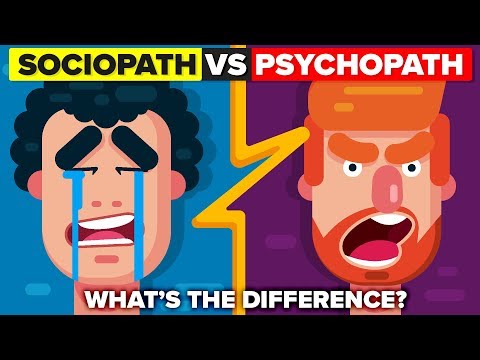
Now, sociopathy shares some traits with psychopathy but differs mainly in how individuals form relationships. Sociopaths can form attachments to specific people or groups but often struggle to maintain stable relationships overall. This distinction has implications for criminal cases too—sociopaths might act more impulsively and emotionally compared to their psychopathic counterparts.
When cases involving either disorder hit the courtroom, experts may be called in to evaluate the defendant’s mental state. Here’s where things get complicated! Evaluators might draw from clinical interviews and psychological tests to diagnose someone as a psychopath or sociopath. But remember: these diagnoses aren’t cut-and-dry; there’s a lot of debate around them.
Crucially, both diagnoses don’t absolve individuals from responsibility for their actions; instead, they provide context that may influence sentencing or rehabilitation approaches. For instance:
- Mitigation during sentencing: Some judges may show leniency if they believe a defendant was heavily influenced by their mental disorder.
- Treatment options: Understanding whether someone is a psychopath or sociopath can affect rehabilitation efforts since traditional therapies might not work on psychopaths.
- Plea deals: Defendants might negotiate for reduced charges based on their mental health evaluations.
Let me tell you about a case that highlights these points! There was this notorious criminal who displayed classic psychopathic traits—no remorse after committing heinous acts. During the trial, expert testimony emphasized his lack of ability to feel guilt or empathy; this framed how the jurors viewed his intentions during the crime.
As you navigate through discussions around psychopathy and sociopathy in legal settings, it’s essential to remember that mental health doesn’t equate with legal faultlessness—it adds layers of complexity into understanding motives and behaviors in crimes.
So yeah, understanding these personality disorders isn’t just about knowing definitions; it’s about seeing how they intersect with laws and human behavior too!
Sociopathy is one of those terms that gets tossed around a lot, but it’s pretty complex when you really dig into it. So, there’s this idea of antisocial personality disorder (ASPD), which is where sociopathy fits. Imagine someone who consistently disregards rules and the feelings of others—that’s the vibe. It can be challenging to wrap your head around what that really means for people who live this way.
You know how sometimes you meet someone and they seem charming at first? But then, over time, you notice a lack of empathy? Like, they just don’t seem to care how their actions affect people? That’s kind of how sociopathy presents itself. These individuals might have warm smiles and convincing stories but, behind all that charisma, they usually struggle to form genuine emotional connections.
I remember this one friend from high school—super likable on the surface. He was funny, outgoing, and always brought energy to our group. But as we got older, it became clear that he didn’t really care who he hurt to get ahead or have fun. He manipulated situations just for kicks and often left chaos in his wake without a second thought. It felt eerie because you almost want to believe there’s goodness in everyone, but with him… well, it was like hitting a wall each time I tried to talk about feelings or consequences.
Sociopathy isn’t just about being a bad person; it involves some pretty fascinating psychological mechanisms. Research suggests those traits can stem from a mix of genetics and environmental factors. So it’s not simply like someone wakes up one day and decides they want to be this way—it may be rooted much deeper than that.
But here’s where things get tricky: while sociopaths often exhibit impulsive behavior or deceitfulness, they’re also capable of understanding social norms—they just choose not to follow them. They might know what empathy looks like but can’t feel it themselves or choose not to act on it.
So why does knowing about sociopathy matter? Understanding these behaviors helps us navigate interactions better and also opens up conversations about mental health we all need to have more often. It pushes us toward compassion by reminding us that there are layers beneath the surface—something we can all benefit from remembering when things get tough or confusing in relationships.
It’s easy to put people in boxes based on behaviors we see—the sociopath label feels definitive—but humans are complex beings, right? Our experiences shape us in ways we’re still trying to understand fully. And maybe that complexity is part of what makes human interaction both bewildering and fascinating!